A site inspection is your opportunity to understand how your event will work at the venue, so arm yourself with our site inspection checklist to make sure nothing is missed.
We’ve compiled a list of our most important questions to ask yourself, or the venue when conducting a site visit.
Remember to ask searching questions until you get the answers you need. After all you’ll be paying the bill! Here are some of the things you need to consider:
Site Inspection checklist
Event Location
Is the venue easy to find? Is the signage clear?
How far away is the nearest airport and railway station by
taxi or bus?
Is there sufficient parking?
Is it in a safe area? If security is required, can the venue
meet these needs?
The Venue
Does the venue look welcoming, attractive and clean?
Are there plenty of staff in the reception area to check-in
or help and direct guests?
Is it clear where the meeting rooms are and how will they be
signed?
Registration Area
Where will this be located and is there adequate storage?
Is there enough space for staff and attendees? Is it a
private area or will people attending other events be passing through?
Do you need a telephone, power points and internet
connection?
The Meeting Room(s)
Which floor is it on and how will attendees get there?
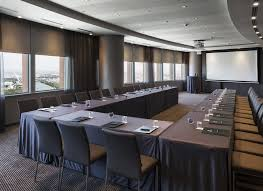
Does it meet the size and layout requirements?
Are the breakout rooms close to the main meeting room?
What equipment is in the room and is there space for
additional production equipment to be brought in?
How easy is the access to bring equipment into the meeting
rooms?
Are the chairs comfortable, what size are the tables?
Is water provided for the delegates and what is included in
the package?
Where do attendees leave their coats and bags?
Where are the nearest toilets?
Is the venue fully accessible for disabled delegates?
Check extra facilities such as lighting, soundproofing, air
conditioning, power supply, wi-fi, ceiling height, door aperture and if there
are any pillars to get in the way.
Catering
How many tea/coffee breaks are there and where will they be
served?
Where will lunch be served and how easy is it for the
attendees to get there?
Are the corridors an adequate size for the delegates to move
around?
Is the standard of food good, is there a choice of menu? (Top
Tip: Have a meal and try different dishes before committing to a delicious dish
for the event)
What options are there for special diets?
Can the restaurant accommodate special dietary requirements?
Are drinks included in the menu price or extra?
Are there plenty of staff to serve the food quickly?
How many food stations will there be?
Bedrooms
How many are there and what sizing options are on offer??
Are they clean and well-maintained? Is there disabled
access?
Are there designated smoking and non-smoking rooms?
What time can attendees check in and out?
Are the lifts, fire exits, and stairs all in order?
Technology
Is the Wi-Fi able to cope with everyone bringing 2-3 devices
with them?
Will the speakers do any live streaming and what do you need
to make sure you have a fast, reliable connection?
Other
Are the staff friendly and helpful?
When were the venue/meeting room/bedrooms last renovated?
Are there any refurbishments due?
Have any of your competitors booked a meeting at the venue
on the same date?
Is there a gym/swimming pool/golf course or other leisure
facilities and are there additional charges to use them?
Is there a business centre and what other services are
available for guests?
Who is trained in First Aid and where are the nearest
medical and dental facilities?
What are the venue’s insurance and crisis management
procedures? Take a look at our article on Security and Risk for more
information.
What are the venue’s standards of service? (Top Tip: make
sure that these are incorporated in the contract)
Remember the venue represents your organisation and you need
to make sure it upholds your standards and reputation. A well-run and enjoyable
event can only enhance your company’s image. Ensuring you have done all of
these checks before booking will streamline your event’s planning process, and save
you time overall.
Last month, Paula Calton, Business Director for EDGE Venues, headed out to Seville to experience the delights of what Seville has to offer. During the trip, Paula visited several hotels and has shared her top tips when considering these venues for meetings and events.
The City itself
Located in the south west of the Iberian Peninsula, Seville is Spain’s 3rd urban tourist destination which boasts an immense historical, monumental and cultural heritage. The city has a population of just over 700,000 making it the 4th largest city in Spain after Barcelona, Madrid & Valencia.
Seville is the capital of southern Spain’s Andalusia region. It’s famous
for flamenco dancing, particularly in its Triana neighbourhood. Major landmarks
include the ornate Alcázar castle complex, built during the Moorish Almohad
dynasty, and the 18th-century Plaza de Toros de la Maestranza bullring. The
Gothic Seville Cathedral is the site of Christopher Columbus’s tomb and a
minaret turned bell tower, the Giralda.
Thanks to the city’s modern infrastructure and excellent communications, favourable weather, delicious gastronomy and its hospitable inhabitants Seville is ideal for hosting events and individual tourism. The city of Seville has a wide communications network: Ave, high speed train; San Pablo International Airport; motorways, and a modern fluvial port for the reception of cruises.
Things to consider…
Time Zones
Seville has the same time zone as Central Europe (GMT +1). Capitals such as Paris, Amsterdam, Berlin or Stockholm share the same time zone as Seville. This is, for example, 6 hours ahead of Washington, 8 hours behind Beijing, 9 hours behind Tokyo, 10 hours behind Sydney or 4 hours ahead of Rio de Janeiro.
Currency
The official currency of Seville is the Euro.
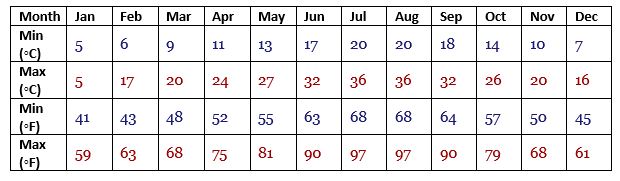
Average Temperature
Seville Airport
The airport of San Pablo is located ten kilometres northwest of the city of Seville, between the limits of the cities of Seville and Rinconada.
Seville Airport is the sixth busiest inland airport in Spain. It is the main international airport serving Western Andalusia in southern Spain, and neighbouring provinces. The airport has flight connections to 42 destinations around Europe and Northern Africa, and handled 5,108,807 passengers in 2017.
A taxi from the airport to the city centre costs approx. 25 euros.
Value for money
Seville is significantly cheaper than Barcelona or Madrid for accommodation and venue hire often as much as 50% less depending upon the time of year. Hotel prices change very little throughout the year with the exception of major holidays and festivals when availability is limited, and rates increase.
An average price for a 3-course dinner with wine would be 20 -30 euros per person. Tapas start at 2 euros each, beer at one euro for a caña (small glass – even less in some places), and wine at 2 euros a glass. The more avant-garde tapas bars will charge up to 5 euros for a small dish, but the ingredients and presentation will be correspondingly more sophisticated.
Hotels
Seville has a total of 9,423 bedrooms and this is increasing.
Star rating
No of Hotels
No of Rooms
5*
5
707
4*
47
6161
3*
36
1906
2*
16
408
1*
12
241
Total
116
9423
Hotel Alfonso XIII (Luxury Collection)
Commissioned by the King of Spain to play host to international dignitaries during the 1929 Exhibition, Hotel Alfonso XIII remains an iconic cultural landmark. Centrally located in the historic quarter of Santa Cruz, it sits next to Reales Alcázares and Seville Cathedral. Following a significant renovation, completed in 2012, the hotel’s distinguished architecture and Moorish detailing have been enriched, showcasing native Andalusian design and heritage.
The hotel has 126 guest rooms and 22 suites. There are 9 function rooms four of which have a very individual style and décor and access to outside terraces and the gardens and can accommodate up to 350 delegates. The other five are smaller, plainer spaces but very functional for syndicates. Cocktails, lunches, coffee break etc can be served on the many terraces, in the gardens or around the pool. There is a bar and restaurant on the ground floor and a pool side bar.
Quick tip:
The ideal group size for the hotel is 70 -100 rooms depending upon season (between Dec- Feb this could go to 20 rooms and also offer buy outs). This is a stunning property with lots of outside space, a real sense of luxury and ideal location for exploring the city.
Eurostars Torre Sevilla
The Eurostars Torre Seville opened in June 2018 and occupies the top 19 floors of the Torre Sevilla and at 180.5 meters it is the highest skyscraper in Adalusia. Located next to the Triana district, the hotel is 10 minutes’ walk from the Carthusian Monastery, less than 10 minutes by car from the Science and Technology Park and just 15 minutes from Seville Airport.
The hotel has 7 rooms and 21 meeting rooms all of which have natural daylight, the latest technology and can accommodate 2-300 delegates. The restaurant is on the 34th Floor and the 37th floor Atalaya terrace cocktail bar provides a great space with 360 degree views and can be privatised for events.
Quick tip:
As the hotel is new and has a lot of meeting space there are opportunities for groups to obtain some very favourable rates.
Hard Rock Cafe Sevilla
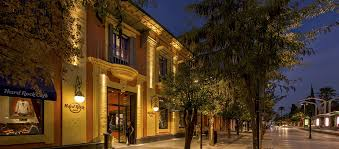
Built in 1761, and originally owned by the Royal Tobacco Factory, Hard Rock Cafe Sevilla’s building retains many elements of the original construction with both its facade and interior having the original architectural features from the 18th century.
The multi-level Cafe includes indoor seating over two floors, an upscale vibrant atrium bar and a Rock Shop. Taking inspiration from local architecture, using traditional Sevillian materials and finishes throughout the design, the highlights are its prominent arches, compelling ceramic tiles and wooden fixtures.
Quick tip:
From an intimate unplugged meeting to a full-blown production, Hard Rock’s unique and comprehensive resources allow you to execute corporate meetings & events, convention receptions, incentive rewards or private dining.
Orio Restaurant
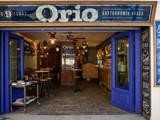
ORIO is characterised by a new conceptualisation of the Basque tavern based on an overflowing “pintxos” bar along with a short yet varied menu inspired by the fishing villages in the Basque country. The front of the premises is a spacious pintxo bar opening onto Calle Santo Tomas, with a terrace facing the Archivos de India. The bar itself is on one side, with a very appetising array of Basque style pinxos so typical in Bilbao and San Sebastián, but something of a novelty in Sevilla.
Beyond the bar are two dining rooms leading out to a second terrace on Calle Miguel Mañara, with space for around thirty diners. Decoration is minimalist, but with lots of wood, and a big mural of a fisherman (Orio is the name of a Basque fishing village).
Quick tip:
Average price for 2 courses without drink is 30 euros.
Real Alcázar Palace
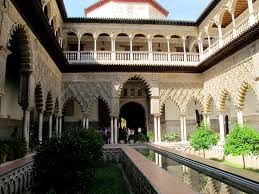
Located in the heart of Seville, the Real Alcazar is one of the oldest palaces still in use in the world. The palace has evolved through different stages over time, from the late 11th century to the present day. From its walls we can appreciate the influence of the cultures that have passed through the city.
This palace-fortress was commissioned by Abd Al Raman III, it is intricately formed of exquisite rooms decorated with plasterwork, tiling and coffered ceilings, which combine perfectly with the magnificent gardens and use of water to create an unforgettable impression.
Highlights of the palace include the Patio de las Doncellas courtyard, with its beautiful tiled plinths, and the Patio de las Muñecas courtyard, with its fascinating collection of capitals.
Quick tip:
The Palace closes for 3 days if the Royal family visit otherwise it opens to the public everyday 9-5. It is worth noting that some of the spaces and terraces are available for hire for private cocktail receptions and/or tours.
Doña Maria Hotel
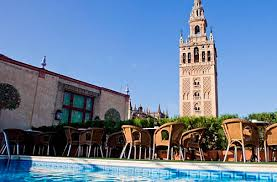
Hotel Doña Maria is a newly refurbished ancient palace situated in the historic centre of Seville at the edge of the Santa Cruz Quarter. With views over the Cathedral and the Giralda from its roof top bar a swimming pool.
Quick tip:
This 4 star hotel provides flexible meeting spaces for smaller groups of 10 – 30 delegates , 64 traditionally styled bedrooms a relaxing lounge, cocktail bar and restaurant.
Seville Cathedral
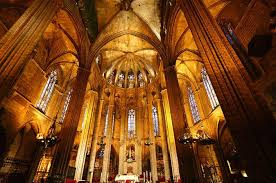
The Cathedral of Seville was constructed on the Great Almohad Mosque. In 1401, the Chapter decided “to build another church so great that there is no other that is equal, so that the authority of Seville and its Church is considered and obeyed as reason commands”.
It is the third-largest Cathedral in the world after St Peter’s in the Vatican and St Paul’s in London. The cathedral is impressive and stands in the historical centre of Seville. There are so many incredible details in every corner of this cathedral including the tomb of Christopher Columbus, and you can climb up the bell tower, the views across Seville are unbeatable but be warned there are a lot of steps! The inside has multiple side chapels etc, all beautifully carved and decorated.
The stonework, wood carvings, paintings, silverware and in particular the wonderful organ were quite fantastic. No wonder it is at the top of World Heritage site listings. The Patio de Los Naranjos (orange tree garden) is also very original touch for a church.
Quick tip:
Group tours can be arranged.
Metropol Parasol
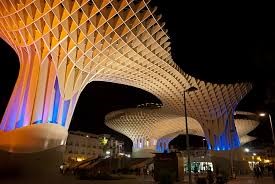
Metropol Parasol is a wooden structure located in the old quarter of Seville, Spain, that has become the modern symbol of Seville. It was designed by the German architect Jürgen Mayer and completed in April 2011. It is 150 by 70 metres large and about 26 metres high and it claims to be the largest wooden self-sustaining structure in the world.
The building is popularly known as “The Mushrooms”. It was built at a cost of 80 million Euros. The structure consists of six parasols in the form of giant mushrooms (“Las setas” in Spanish), whose design is inspired by the vaults of the Cathedral of Seville and the ficus trees in the nearby Plaza de Cristo de Burgos. Metropol Parasol is organized in four levels.
The underground level (Level 0) houses the Antiquarian, where Roman and Moorish remains discovered on site are displayed in a museum. Level 1 (street level) is the Central Market. The roof of Level 1 is the surface of the open-air public plaza, shaded by the wooden parasols above and designed for public events. Levels 2 and 3 are the two stages of the panoramic terraces (including a restaurant), offering one of the best views of the city centre.
Quick tip:
There is one space available for private hire for events on level 3 for 150 delegates.
Tablao El Arenal
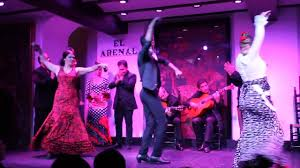
This venue was nominated as the place that showcases the best flamenco show in Seville by the New York Times. The Tablao El Arenal in Seville is the most emblematic flamenco scene in the city. With 40 years of history, in this restaurant you can enjoy the purest and most authentic Flamenco Art. The restaurant is located in the historical and cultural centre of Seville, in the El Arenal neighbourhood, between the Maestranza de Sevilla bullring and the Maestranza Theatre, a few meters from the Giralda, Seville Cathedral and The Golden Tower.
The restaurant can seat up to 80 and does 2 dinner sittings with a show per night at 7pm and 9.30 and costs 50-70 euros per person for dinner, drinks and show.
Quick tip:
Seville is the home of Flamenco and I have never seen anything quite as amazing as the display that I witnessed at Tablao El Arenal. Tablao Flamenco El Arenal – Venues.
FIBES
FIBE Sevilla, the Conference & Exhibition Centre of the city, is composed of two independent premises, completely different in terms of style and function that can be used as a whole and joint by an impressive footbridge. The Exhibition Facilities (FIBES I) were primarily designed to hold large exhibitions and trade fairs, for which it has three huge exhibition halls of 7,200 sqm.
The main attraction of this building are the outstanding waterfalls that surround the outdoor square at the entrance to FIBES I. Once inside, the luminous marble Dome Hall gives way to all auditorium, rooms, restaurants, and halls.
FIBES I was designed to host large exhibitions and trade fairs, with three huge exhibition halls of 7,200 m2 each with no pillars at all and service boxes every 8 metres. These three halls are linked by a wide corridor to the conference centre building, where the 2 auditorium and breakout rooms are to be found.
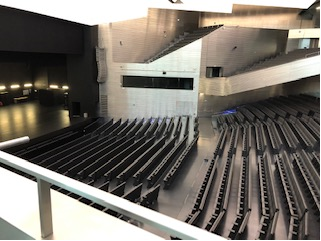
FIBES ll is a more modern construction with floor to ceiling glass and hosts a state of the art Auditorium which can be divided into 2 or 3 simultaneous auditoria. If split into 3 the capacities are 1940, 340 & 400. There is a 620m2 stage and press rooms, green rooms, dressing rooms and additional spaces for organisers , storage etc attached to the Auditorium. There are large spaces totalling 1450 m2 for exhibitions and catering with access to outside terraces and then between the two centres there are 15 breakout rooms (12 – 140 delegates) and 3 further exhibition/catering areas and an outdoor exhibition area of 678m2, providing complete flexibility for large events.
Quick tip:
There is extensive on-site parking and easy access to the airport and the city centre.
Hacienda San Miguel de Montelirio
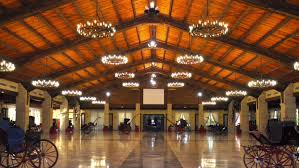
This Hacienda shows one of the best examples of rural architecture in Andalusia. It has one of the best collections horse-drawn carriages in the world and is a perfect location for gala dinners and other big events. The museum can host the drinks reception and then dinners of up to 1500 can be held in the adjacent space, the venue also has extensive gardens where drinks receptions can be held. the Mill Hall, an old oil mill that has now become a 430 M2 celebrations room with capacity for 300 people, or the Trade Hall (780 M2 room) with capacity for 550 people
Other rooms for events or celebrations are the current Museum of Carriages, a room where the collection of more than two hundred vintage horse carriages (considered today as the best collection of old carriages in Europe), a perfect space to be used for reception glass, aperitif or cocktail, at the same time as cultural visit.
Quick tip:
You also have the Old Carriage Museum Hall, a massive room of 3000 M2, without intermediate columns; ideal for gala dinners. Great also with small groups, since the unused space we decorate it with exhibition carriages, as if it were a dinner in a museum.
Real Venta de Antequera
Around 1927 the Real Venta de Antequera was a traditional place for lodging breeders and bull fighters gatherings. During the Ibero-American Exhibition of 1929, it hosted the Pavillion of the Jerez lands, including spaces for bulls and a bullring enclave. Today it is a perfect and unique venue full of history and charm, to host MICE events. The was closed for a number of years until in 2013 Arrendaluza Slu took over the venue and it underwent a vast restoration.
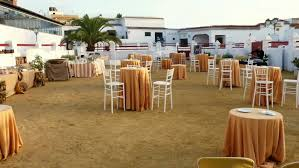
Outside space includes Corrales which can accommodate up to 2,000. It is a space that can offer great versatility for any event offering them the best service with a bullfighting flavour. It is currently where bullfighting classes are offered to practical amateurs, taught by maestro Dávila Miura. There are six salons which can accommodate 30 – 450 delegates.
Quick tips:
There are no caterers at the venues, so a catering company would need to be brought in along with the furniture.
The Real Venta de Antequera hosts a daily flamenco show attended by spectators from different parts of the world, where the different dances of the region are displayed, and this can be offered for private events.
Rio Grande Restaurant
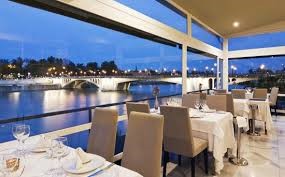
The Rio Grande Restaurant sits on the Banks of the River Guadalquivir in the Triana area of the city. The restaurant offers superb views across to the city. The restaurant serves both lunch and dinner and offers 4 event spaces inside and 3 terraces outside. Dinner can be served for up to 340 in the largest space and there is a terrace to serve cocktails for this number. The terraces are planted with orange or lemon trees and all have stunning view of the river and city.
Quick tip:
The restaurant also hosts meetings in a couple of the spaces for up to 250 theatre style.
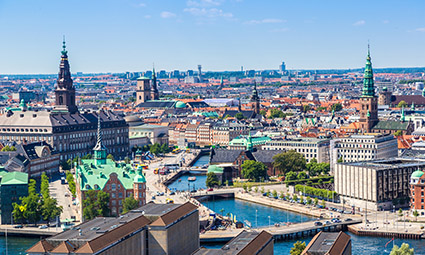
Copenhagen is not only a front runner with its sustainable solutions it has one of the worlds most ambitious climate policies. A goal of being the first carbon-neutral capital city by 2025 and has never been so accessible offering non stop flights from more than 183 international destinations. Copenhagen Airport has easy access to and from every continent and all major European cities.
Paul Barke recently visited the city on a fam trip with Scandic Hotels Group and had this to share on the city and what it can offer for meeting and event planners…
A city with plenty to offer
With the City Centre being only 13 minutes by metro, Copenhagen has seen a massive hotel boom with approximately 8,500 hotel rooms being built over the next four years. This equates to more than 40% increase in the city’s capacity with Greater Copenhagen on track to reach nearly 30,000 rooms by 2021.
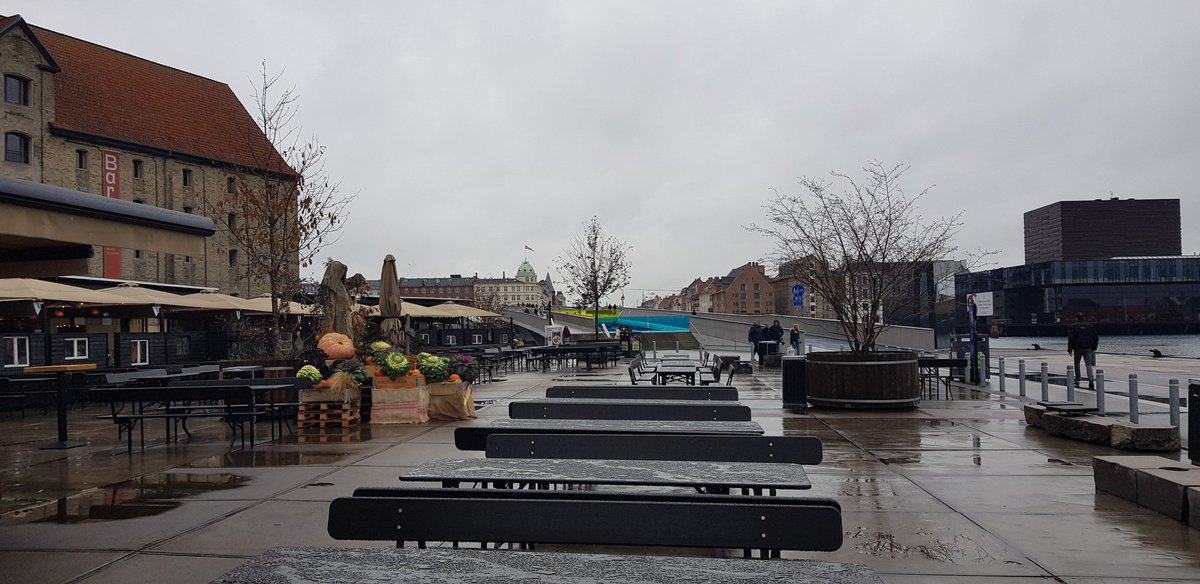
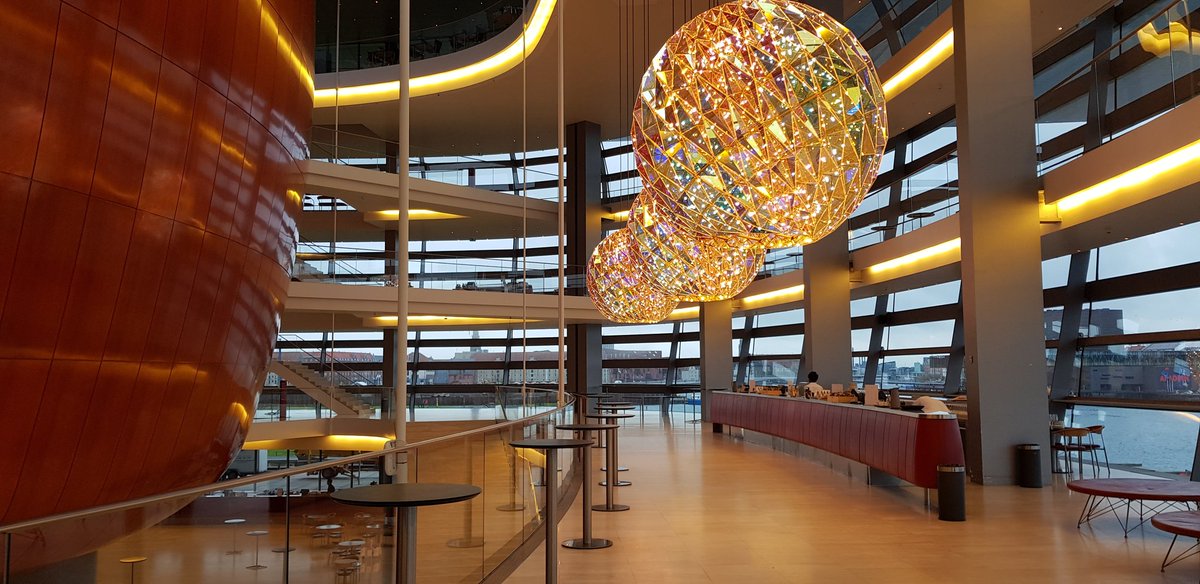
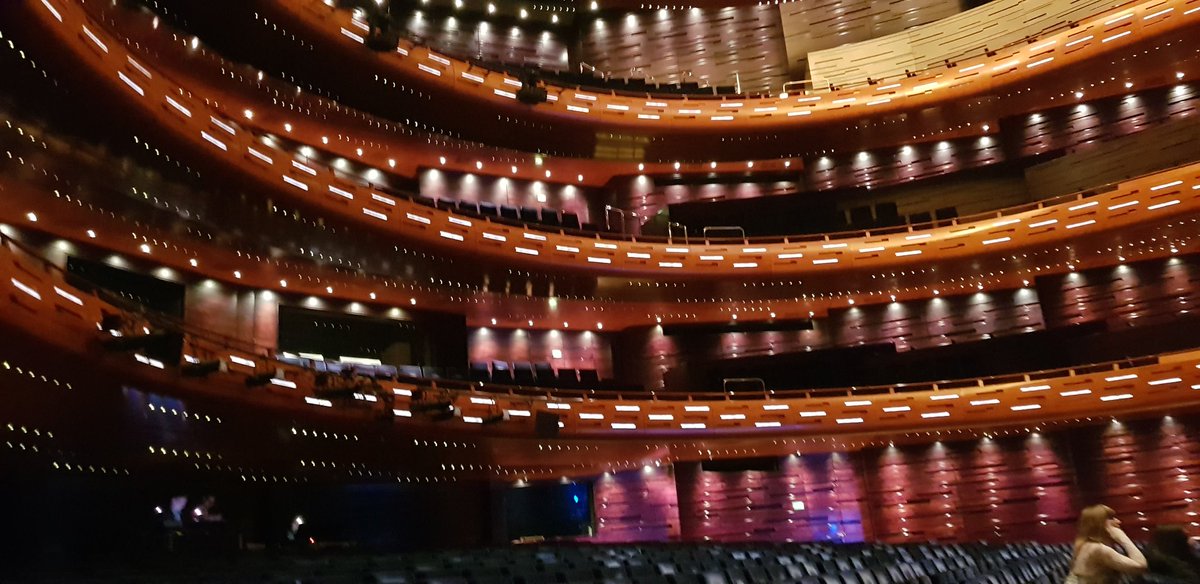
For something unique for your next meeting, consider the Copenhagen Opera House – it has a beautiful auditorium and spaces to cater for large dinners and meetings.
What’s next?
Recent openings includes the brand new 4* Scandic Kodbyen which opened on the 8th September with 370 bedrooms in the trendy Meatpacking District.
Coming soon:
August 2019: 4* Scandic Falkoner with 335 and an auditorium for up to 2000 delegates.
January 2020: 5* Hotel Posthuset with 390 room – located in the historic building of the Old Post Terminal.
5* Hilton Copenhagen City with 400 bedrooms due later that year.
Getting around the city
Its compact city centre makes walking between meeting venues, hotels, sights, restaurants and shopping areas a matter of minutes. Or join the locals and go by bike.
Perfect for foodies
Nearly 70% of the hotel rooms in Copenhagen are eco-certified. Gastronomic hotspot: Guide Michelin Nordic Cities 2018 has awarded a total of 19 stars to 15 restaurants in Copenhagen. Geranium tops the list as the only restaurant in Denmark with three stars, while AOC and Kadeau hold two stars. Whether you wish to try Michelin-starred Nordic food or are into other cuisines from around the globe it is all here. Get ready for a unique dining experience!
Massive thank you to John and Tanja from the Scandic Hotels Group for the Copenhagen fam trip, amazing. Lovely people, country and great hotels.
I recently attended a trip with Global DMC Partners Connections (GDMCP) to experience what the historic city of Warsaw has to offer for meeting and event planners…
Warsaw day 1 – our arrival
After an early start for the flight to Warsaw where we were met by Global DMC Partnersrepresentatives who transferred us to our hotel for the event. Chopin Airport (named after the country’s famous composer) is only a 25 minute journey to/from the city centre and there are several low cost public transport options.
Our first stopover was the Sheraton Warsaw. This hotel is in the south of the city in a quite upmarket area but only a couple of minutes from shops, bars and restaurants. It’s about a 20 minute walk to the old town (along the main shopping streets), and 15 minutes to the business district.
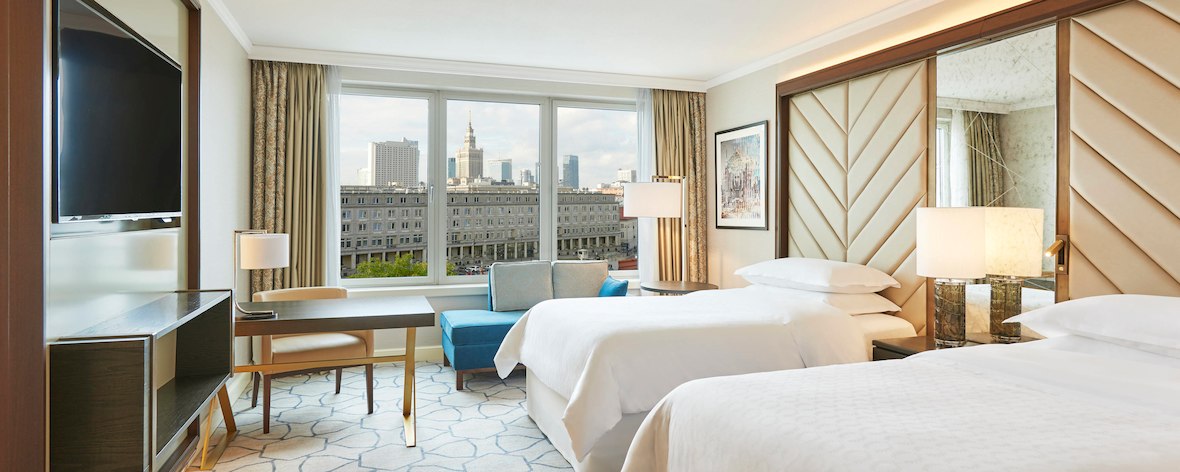
This large 5* hotel had a complete refurbishment last year and to a very high standard. There are 350 bedrooms & suites and even the standard ‘Classic’ rooms that we were staying in were really spacious with a large lounge area. It has a large conference centre with 12 meeting spaces over two floors (Ground & 1st Floors) and ranging in size. The Grand Ballroom holding 600 in theatre layout and 360 cabaret. It’s worth noting however that most of the rooms, including the Ballroom do not have natural light – a key consideration for some meeting planners.
There is a large central area for registrations, networking and refreshment breaks and there are three primary restaurants – the Olive is the main restaurant with buffet service for breakfast and lunch. As well as a Tex-Mex and an Asian restaurant, there is a small 4th restaurant located in the ‘Chef’s Kitchen’ which can be reserved for small groups.
Experiencing Warsaw itself
Once we’d arrived and checked in we realised we were starving so a few of us went for lunch at a nearby restaurant. The food was interesting (minestrone soup with a poached egg in the middle) but it was very good quality, well presented and cheap! Less than £10 each for a good quality lunch in a very nice restaurant.
Everything in Warsaw was cheap. The cost of living index for Warsaw shows general costs including restaurants are about half the price of those in London, so great value. Several delegates found time for shopping and reported some great bargains.
Later that day after exploring a little of the city we met with our hosts, for drinks before leaving for an informal buffet dinner at the Warsaw Marriott Hotel.
5* Warsaw Marriott Hotel
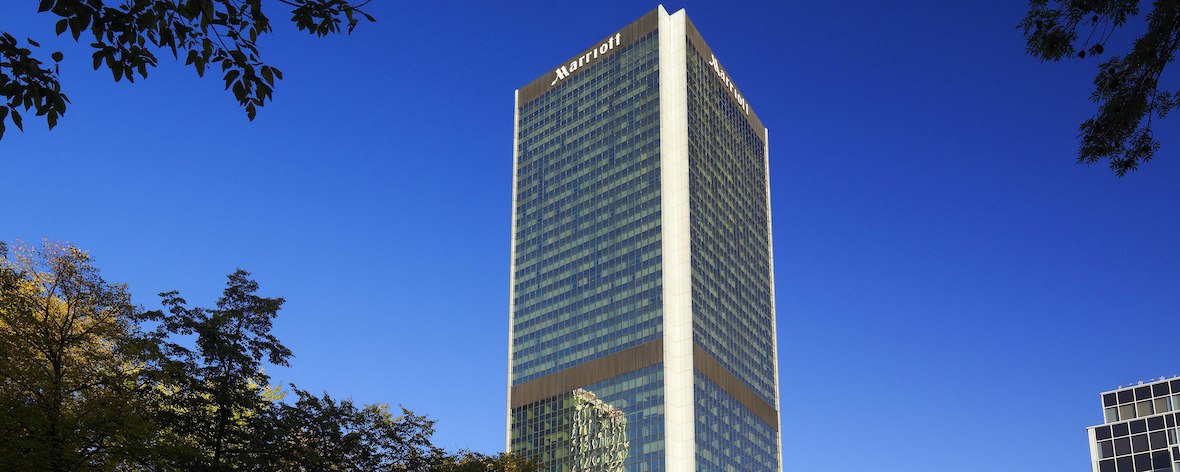
The 5* Marriott was one of the first ‘skyscrapers’ in Warsaw and has the highest sky bar in the city on the 40th floor. It was built in 1989 (Poland’s year of independence) as a symbol of transformation. It’s situated in the business district next to the central train station and opposite a landmark building – the Palace of Culture and Science. The hotel has 21 meeting rooms with the Grand Ballroom being the largest space which can accommodate up to 700 theatre style.
Warsaw Day 2
Having declined the opportunity to join the optional morning walk at 0630 (!), we gathered for the morning session for an interesting presentation on global sales and economy.
The Emcee for the weekend was Sam McNeil from SongDivision. As well as being a great speaker, he & his team write ‘instahits’ (songs written in about 5 minutes based on answering a few questions about yourself) and provide various musical based entertainment. This is great idea for team building or general/meeting conference interaction. The rest of the morning was the 1-1 appointments with individual DMCs who gave me an overview of their destinations and how they could assist us on future enquiries.
Discovering Warsaw’s history
After lunch we had a choice of activities and I joined the ‘Communist Warsaw’ tour run by a great guide from the Adventure Warsaw company. The tour was very enlightening about life in Warsaw under communist rule and included a visit to a museum showing what the workers homes were like in the 50-80’s.
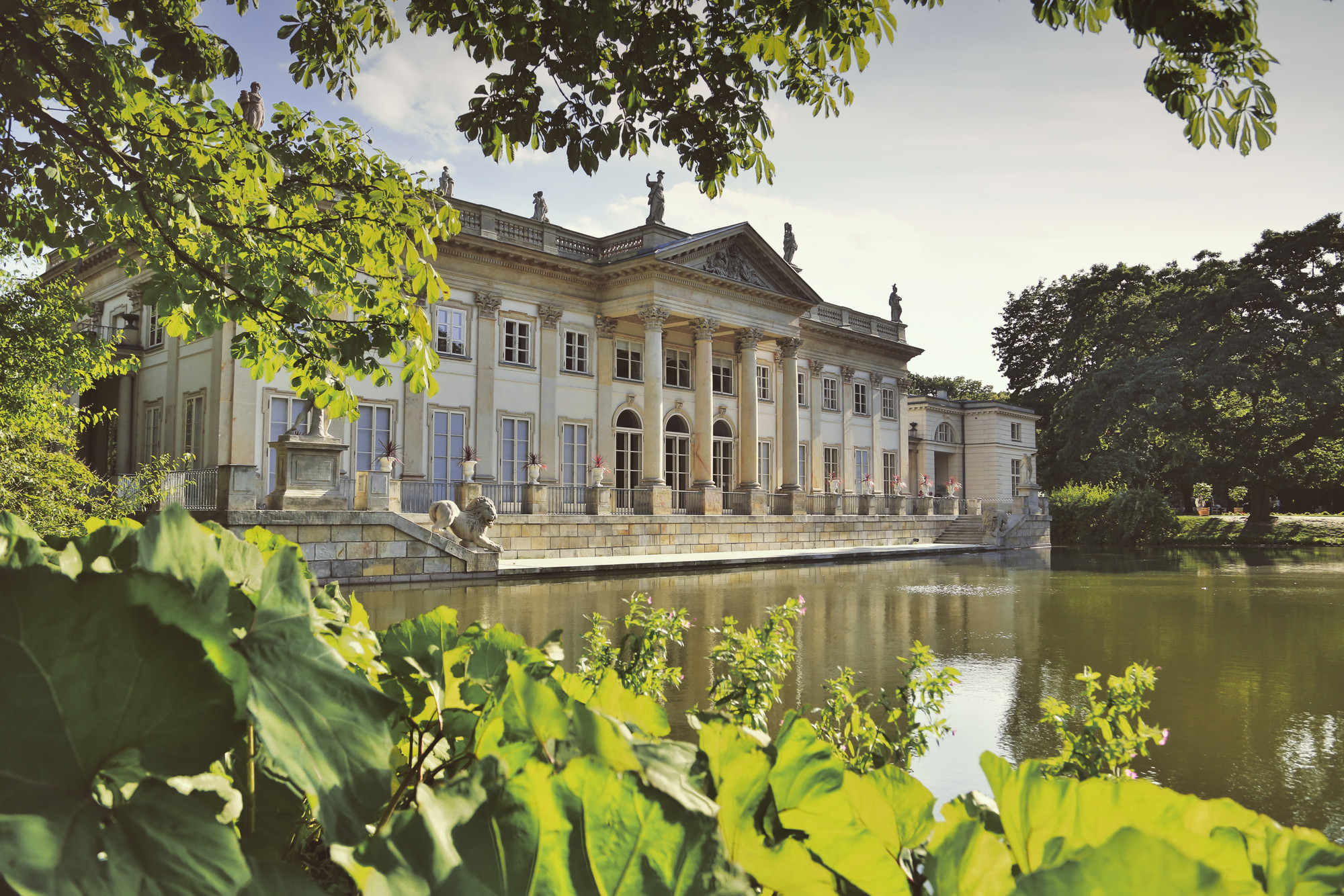
After a much needed shower, we departed for dinner at Lazienki Park. This beautiful park houses the former summer residence of the Polish royal family until the early 19th century. Unlike the centre of Warsaw, which was devastated by bombing during WWII, these buildings thankfully suffered little impact. After a 10 minute walk through the park (reminiscent of Hampton Court Palace), we were treated to a short piano concert featuring works by Chopin in a beautiful and intimate theatre. This was followed by dinner in the orangery which leads out onto terraces overlooking the park and gardens. It is an elegant and impressive location for a large group private dinner.
Lazienki Park
Our final day
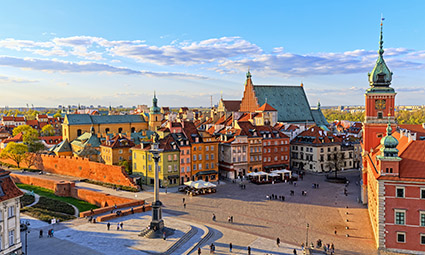
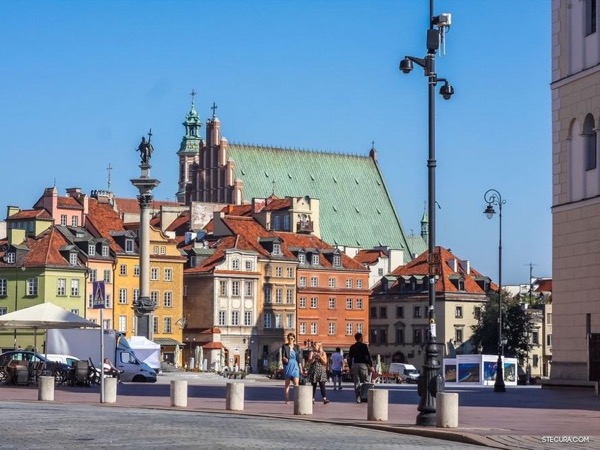
After further appointments with the DMCs, I went on the ‘Warsaw in a Nutshell’ tour which took us to the Old Town, an UNESCO World Heritage Site. Most of Warsaw was completely flattened during the war and during the 1950’s and into 1960’s, the centre of Warsaw was completely rebuilt to look the same as it had done pre-war. So, the lovely ‘medieval’ market square with it’s old street and houses is in fact only 50 or so years old.
Warsaw in a nutshell – walking tour
It is a city with over 100 museums and commemorative statues and sculptures are on almost every corner, much of it linked to events during the war, including a large museum in the vicinity of the former Jewish ghetto.
The tour then took us to Praga on the east side of the Vistula River. This is traditionally the rougher part of Warsaw but is now slowly becoming gentrified and has an arty feel to it. The banks of the river have been turned into beaches so we spent the last part of our tour having a drink on the beach whilst watching a regular Saturday massive salsa class – pretty impressive given the heat!
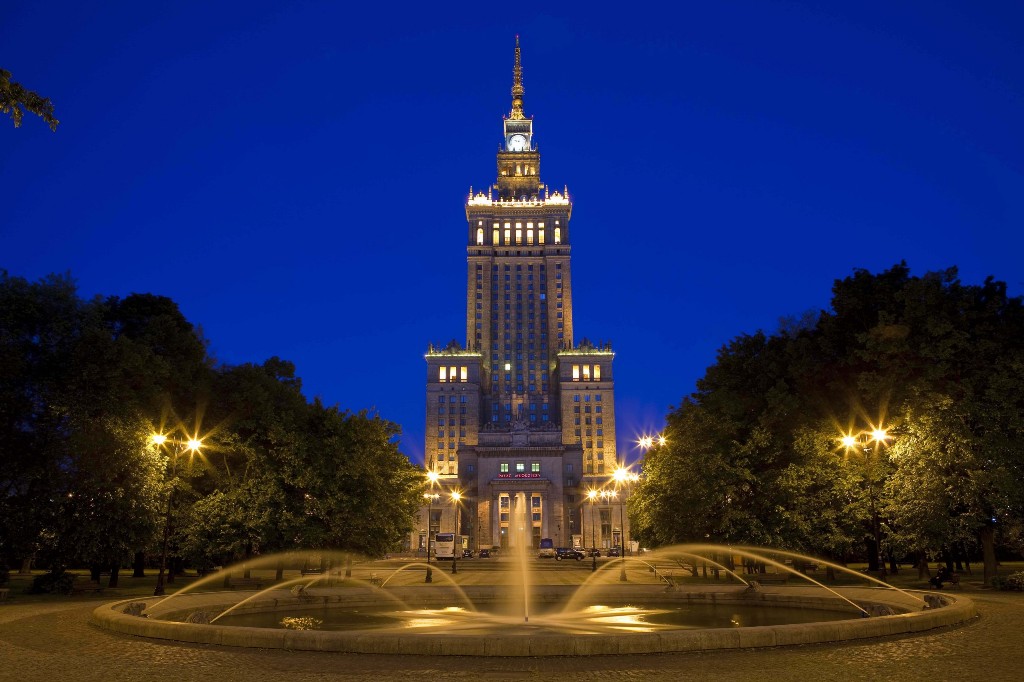
Our final Gala Dinner took place at the Palace of Culture and Science, which is in the business district and only 5-10 minutes by coach from the Sheraton. This enormous building was one of the first built by the communists (1955) and is therefore a divisive building. Since independence there have been calls for it to be destroyed, but this now looks unlikely. The Palace was built for ‘the workers’ as a centre of culture, as such it houses museums and exhibitions, a theatre, cinema, swimming pool as well as bars and shops.
Palace of Culture and Science
The dinner was held in a large hall which looked like it could take approx 150 in cabaret layout. The food was good although service was slow. There was plenty of space for a stage (the SongDivison crew were providing the music) and for dancing.
In summary
Warsaw is a compact city and all the large hotels are within a short taxi ride of each other. The Old Town is worth a look if any clients have an hour or so to spare when in the city. I wouldn’t call it a beautiful city as, except for the old town, the architecture is pretty bland and reminiscent of many Germany cities having been rebuilt at the same time. However, it does have a relaxed and safe feel to it with everyone we met being very friendly, plus there are some hidden gems in this city such as Lazienki Park.
Costs are very low throughout the city making it a good value option for anyone considering this as a destination for an event, although DMC services would probably be required to assist with some of the more unusual venues.
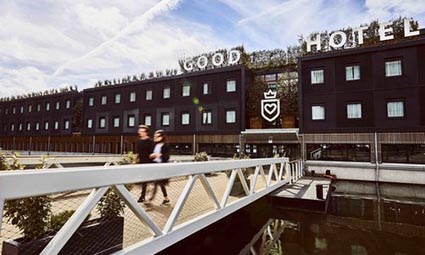
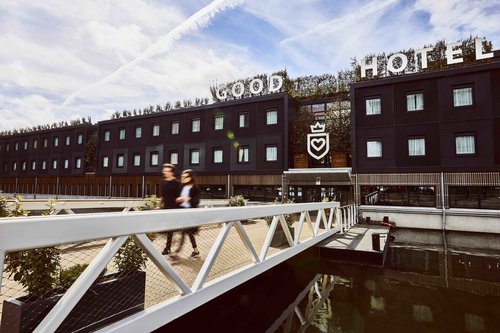
We’ve recently visited The Good Hotel – a floating hotel, situated on a fixed mooring close to the London ExCel Centre and London City Airport. Here’s an insight from Alex Jarvis into the hotel and what you can expect following his latest site inspection…
Floating Hotel location
The hotel is a short walk from Royal Victoria DLR, and is also a very short walk from the Emirates cable car over the Thames to the Millennium Dome if you fancy a different mode of transport for the day.
Situated on a lovely site on the former docks with views of the surrounding areas, which lends a charming peaceful atmosphere to the place.
Floating Hotel offerings
The hotel opens onto a large open lobby, with informal seating merging into a bar, lounge and restaurant. The Good Hotel’s meeting rooms are located off a corridor on the same floor, with four meeting rooms available and are all decorated in quite a minimalistic way. All meeting rooms have views across the water, and are small to medium-sized.
The hotel also offers a rooftop bar which can either be completely privatised, or partially privatised. There’s fantastic views across the water and the nearby developments. There is also direct access to avoid entering through the hotel should you wish.
I thought the location and nature of the hotel (being a floating hotel) are two great draws for the property. Albeit it was a lovely sunny day when I visited, but the area around the hotel was nice and pleasant. The large docks and the Thames nearby created a charming scene. I thought the hotel could work well for London-based companies perhaps looking for a change of scene whilst still being within close reach of Zone 1 & 2.
The Good Hotel also has a key focus on CSR (the origin of the hotel’s name). A great drawing point for some customers.
Alex Jarvis from our team took on the challenge to visit eight London hotels in one day and report back on his findings. From his comprehensive sites inspections, take a read of his full report…
Radisson Blu Edwardian New Providence Wharf
The next stop on Alex’s tour of London was the Radisson Blu Edwardian New Providence Wharf – a purpose-built hotel a short walk from Blackwall DLR station, and also about a 10-15 minute walk from Canary Wharf. The hotel is also almost opposite the Thames from the Millennium Dome.
The hotel has a nice airy lobby, with the meeting rooms located upstairs to the right as one enters the property. The meeting rooms are fresh and functional, without any bold colours, and most enjoy natural daylight. The meeting rooms (and the hotel as a whole) is decorated in a sleek corporate style, with the bedrooms of a similar feel. Some of the bedrooms have lovely views across the Thames.
“I enjoyed my visit to the hotel, as it is a nice modern property that appears to be well maintained, in a pleasant modern redeveloped area relatively close to Canary Wharf. I thought the hotel could work well for a mix of events, as well as supporting with accommodation for events at the ExCel centre.”
The Crystal
Continuing on his tour of London, Alex has shared his experience on The Crystal – the home of a permanent exhibition on environmentally-friendly urban development, in a purpose-built property that is one of the most sustainable event venues in the UK, having won several awards.
The Crystal houses dedicated meeting/function rooms, as well as a fixed auditorium. The building itself opens onto a large airy atrium space with lots of glass, called The Street, which is utilised as a catering area for the largest meeting spaces, and also works well for either drinks receptions or sit-down dinners.
Having entered the building, the meeting rooms are to the left of this area, the exhibition space is to the right. The auditorium was nice and fully furnished, while some of the meeting rooms on the first floor have great views over the area (including views of the cable car across the Thames). The exhibition space can also be used for drinks receptions, although this would be with the attendees dispersed through the exhibition rather than all in one space.
Despite being a fixed exhibition, part of the features can be personalised with corporate messages or a particular colour scheme, which is a nice touch for some events. Being close to the ExCel means there are lots of accommodation options within an easy walk of the venue too, which can be a key selling point.
Hilton Canary Wharf
The Hilton Canary Wharf is a modern purpose-built hotel just a short walk (5 minutes) from Canary Wharf, although the closest DLR is South Quay, just a little further down from the hotel. The hotel is a tower, with the meeting rooms located on the first floor, most of which have natural daylight.
The meeting rooms (and the public spaces too) are decorated in an inoffensively corporate manner. The largest meeting room does not have natural daylight, but has a large dedicated pre-function area, that can be used for registration, catering or exhibitions, that has lots of natural light. The bedrooms are nice and spacious too.
Although the hotel is located in a busy area, and has a branch of the DLR running directly outside, the hotel has double glazing on all of their windows so that there is very little to no noise disruption.
Novotel Canary Wharf
A very recent newly-built skyscraper hotel, the Novotel is the tallest hotel-only building in London, at 39 stories. On his tour of London, Alex stopped by to report back on his thoughts on the hotel…
The hotel doesn’t resemble a typical Novotel, it has been decorated throughout with a strong boutique theme to reflect the maritime trading heritage of its location. Throughout the hotel there are touches like photographs of the former Docklands, chains and ropes used as decorations etc.
The nine or so meeting rooms are all located on the first and second floor, all but one are of a small size, and all of these smaller rooms have fixed layouts (mostly boardrooms, a few informal layouts), and all have been decorated to fit a particular theme. E.g. the Logs room with wooden furniture. The largest meeting room, the East India, does have a more flexible layout and is of a medium size. The bedrooms are lovely, and mostly have fantastic views (as you can guess; the higher up the better the view), and have been decorated in the same fashion.
The hotel’s best feature is the Bokan restaurant, located on the 37th, 38th and 39th floors of the hotel (the top floors), with fantastic views over London. Parts of the restaurant can be hired for events, down to small semi-private areas, to a total buy-out. The 39th floor also enjoys a medium-sized outside terrace that can be hired for dinners & drinks receptions.
I visited eight venues in total on the day I visited the Novotel, and I would happily say the Novotel was my personal favourite of the day. I very much enjoyed the views, the restaurant is lovely, and the boutique meeting rooms which have a lot of personality, but still possess all the corporate gadgets that you would expect for a modern hotel.
De Vere Canary Wharf
Stop 6 of his tour of London and Canary Wharf, Alex took in more of the corporate experience that De Vere Canary Wharf has to offer meeting planners…
The De Vere Canary Wharf is located about a 5 minute walk from Canary Wharf, off of Westferry Circus. The venue is also a short walk from Westferry DLR, and is also close to Canary Wharf Pier for Thames Riverboat services.
The venue is very corporate, clean and functional, and is built around a large central atrium which provides all of the meeting rooms with lots of natural daylight. All of the meeting rooms I saw where very white and modern (as is the venue as a whole).
The venue is very much a ‘it is what it says on the tin’ venue – it is well designed for day-time corporate events looking to be close to Canary Wharf in a nice, modern, corporate style venue with a large capacity and lots of breakout rooms if required.
The Doubletree – Tower Hill
Coming away from Canary Wharf, Alex headed over to Tower Bridge to see what the hotels here had to offer. First stop – The Doubletree Tower Bridge. Here’s his take on property…
The Doubletree Tower Bridge is a modern purpose-built hotel less than a five minute walk from Tower Hill station, and Tower Gateway DLR station, and the Tower of London itself. The hotel opens onto a large spacious atrium which is about two/three stories high, with a large glass skyroof flooding the area with natural daylight.
The meeting rooms are located upstairs with a large mezzanine area overlooking the atrium. This mezzanine area is used for catering (either set times or free-flowing) and registration if needs be, there is also some soft seating for informal breakouts. The meeting rooms are nice and fresh, with lots of natural daylight, overlooking the neighbouring streets. The bedrooms are decorated in a nice corporate manner, and are of a decent size.
Perhaps the hotel’s nicest feature is the Savage Garden Restaurant, located at the top of the hotel on the 12th floor, with views towards the Thames, the Tower of London, and the Shard. The restaurant has several areas that can be completely privatised (including two private rooms), either for daytime meetings, or more typically for drinks receptions, dinners and parties. The views are lovely, and include some iconic London sights.
Qbic London
Heading over to Aldgate, Alex stopped of at the Qbic London and here’s his take on the hotel…
The Qbic London is located just off Altab Ali Park in the Aldgate/Brick Lane area of the City of London. For fashionistas, the hotel is a very short walk from the famous Brick Lane Market, and is less than a five minute walk from either Aldgate East or Aldgate Stations.
The hotel opens onto a cosy informal reception area, which is also a lounge, bar and the hotel’s main restaurant. The hotel has just three meeting rooms, two of which are directly off the restaurant (and can be combined with each other), both enjoy natural daylight. They are of a small size, together they can fit around 30 delegates. There is also a smaller meeting room downstairs on the lower ground floor that does not have natural daylight, this is the hotel’s last-let room for meetings.
The hotel as a whole is decorated in a stylish modern way with lots of colour and informal touches, the design is to not be a typical corporate-feeling hotel, and instead to be more orientated towards a creative, youthful atmosphere. The bedrooms are slightly unique, they all have a pod built inside them that encompasses the bed and bathroom, these pods are placed into empty bedrooms and built from the inside.
The hotel is one of London’s most sustainable hotels, and has a key focus on being as green-friendly as possible. A lot of hotels pay lip-service to being green, but the Qbic is one of the most consistently environmentally friendly properties I have visited, which is impressive for a densely urban location. The décor is very modern, funky, and youthful, and is well suited for clients looking for a venue which reflects those attributes.
The Clapham Grand – the final stop
As Alex’s tour nears the end, his final stop was to see The Grand Clapham. Here’s his thoughts on what the venue has to offer…
The Clapham Grand is a traditional theatre over one hundred years old, and now operates as a nightclub, live music venue, cinema, and also takes bookings for private hire events. The theatre is directly opposite Clapham Junction station for National Rail and London Overground Services. The venue has a large stalls on the ground floor, with a balcony and boxes overlooking, as well as a private bar that can be hired separately. The venue has been decorated in a modern manner, albeit in a traditional building.
I enjoyed visiting the venue, although the lack of a nearby Underground Station may make it relatively difficult to access by London’s standards. The venue could work well for clients looking for something unusual, or a corporate away-day or creative team building style activities.