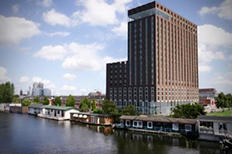
In the survey, Manchester saw the biggest improvement of any European city, rising by 16 places to rank 35th. Manchester’s rise puts it ahead of London in the rankings by 13 places, the widest gap between the two cities since the survey began two decades ago.
The ten most liveable cities in 2018
1. Vienna, Austria
2. Melbourne, Australia
3. Osaka, Japan
4. Calgary, Canada
5. Sydney, Australia
6. Vancouver, Canada
7. Tokyo, Japan
8. Toronto, Canada
9. Copenhagen, Denmark
10. Adelaide, Australia
For the first time a European city has topped the rankings of the Economist Intelligence Unit’s annual survey, and the Austrian capital Vienna has beaten Australia’s Melbourne to be named the world’s most liveable city. The worldwide league table ranks 140 cities on a range of factors, including political and social stability, crime, education and access to healthcare.
In the survey, Manchester saw the biggest improvement of any European city, rising by 16 places to rank 35th. Manchester’s rise puts it ahead of London in the rankings by 13 places, the widest gap between the two cities since the survey began two decades ago.
The ten most liveable cities in 2018
1. Vienna, Austria
2. Melbourne, Australia
3. Osaka, Japan
4. Calgary, Canada
5. Sydney, Australia
6. Vancouver, Canada
7. Tokyo, Japan
8. Toronto, Canada
9. Copenhagen, Denmark
10. Adelaide, Australia
For the first time a European city has topped the rankings of the Economist Intelligence Unit’s annual survey, and the Austrian capital Vienna has beaten Australia’s Melbourne to be named the world’s most liveable city. The worldwide league table ranks 140 cities on a range of factors, including political and social stability, crime, education and access to healthcare.
In the survey, Manchester saw the biggest improvement of any European city, rising by 16 places to rank 35th. Manchester’s rise puts it ahead of London in the rankings by 13 places, the widest gap between the two cities since the survey began two decades ago.
The ten most liveable cities in 2018
1. Vienna, Austria
2. Melbourne, Australia
3. Osaka, Japan
4. Calgary, Canada
5. Sydney, Australia
6. Vancouver, Canada
7. Tokyo, Japan
8. Toronto, Canada
9. Copenhagen, Denmark
10. Adelaide, Australia
Vienna ranked as most liveable city in the world
For the first time a European city has topped the rankings of the Economist Intelligence Unit’s annual survey, and the Austrian capital Vienna has beaten Australia’s Melbourne to be named the world’s most liveable city. The worldwide league table ranks 140 cities on a range of factors, including political and social stability, crime, education and access to healthcare.
In the survey, Manchester saw the biggest improvement of any European city, rising by 16 places to rank 35th. Manchester’s rise puts it ahead of London in the rankings by 13 places, the widest gap between the two cities since the survey began two decades ago.
Apollo Hotels is officially part of the Fattal Hotel Group
Apollo Hotels is now part of the Fattal Hotel Group, one of the fastest growing hotel companies in Europe that operates under well known brands such as Leonardo Hotels, NYX Hotels and Jurys Inn in the UK. This means that a fourth great hotel in Amsterdam for meetings & events will be available with the launch of the Leonardo Royal Hotel Amsterdam – opening Spring 2019.
4 Star Superior Hotel
Plenary Room for 850 people
Pre Function Space of 300 sqm
11 Conference Rooms
Roof Garden Terrace of 600 sqm
490 Bedrooms & Suites
The takeover of 13 Apollo Hotels announced late in June is now officially complete. Fattal Hotel Group has named Alexander Kluit, former Area Manager of Apollo Hotels, as Managing Director, the Netherlands & Belgium. “The ‘feeling good” motto is perfectly in keeping with the identity of Apollo Hotels.”
Alexander Kluit appointed Managing Director, the Netherlands & Belgium
In Europe, the Fattal Hotel Group operates under the flag of Leonardo Hotels. As a result of the takeover, the hotels in the Netherlands & Belgium will collaborate as a cluster. Besides the 13 Dutch Apollo Hotels still managed under the existing brand, Alexander Kluit will also become responsible for the Leonardo Hotels in Amsterdam, Antwerp and Charleroi. “Last Friday, our Management Teams became acquainted with our new colleagues and we bade a proud farewell to our founders, Willem-Jan van den Dijssel, Bas Tolmeijer and Francesco Monaco. It is so amazing what they achieved together. From literally nothing to become one of the largest hospitality enterprises of the Netherlands. And so, our organisation was ready for the next major step.”
Apollo Hotels, by Fattal Hotel Group
“The brand values of Apollo Hotels and Fattal Hotel Group have a great deal in common. In recent years, Apollo Hotels has worked hard at repositioning itself, in which we have broken rules in order to create a more enjoyable and better-quality stay for guests. The Fattal Hotel Group motto of ‘feeling good’ is perfectly in keeping with this. We are driven by great ambitions for growth and strive for unique quality standards in personal service.” According to Alexander Kluit – Managing director of Fattal Hotel Group, the Netherlands & Belgium.
Fattal reinforces its Dutch market position with Apollo Hotels
Daniel Roger – Managing Director of Fattal Hotel Group, Europe & UK. “The takeover of 13 Apollo Hotels is a new and important step forward in the growth of Fattal Hotel Group, since the takeover of 36 Jurys Inn brand hotels in Great Britain and Ireland at the end of 2017. We are systematically expanding our brand awareness and are proud to considerably reinforce our Dutch market position by means of this takeover. The new Leonardo Royal Hotel will open in Amsterdam in spring 2019. This will increase the Fattal Hotel Group portfolio in the Dutch capital to 4 Apollo Hotels and 2 Leonardo Hotels, comprising more than 1500 rooms.”
The Hilton Belgrade has recently opened in the Serbian capital city, and can offer business travellers 242 guest room and suites, and 656 square metres / 7,061 square feet of event space in the heart of Old Town. The Hilton Belgrade’s largest room is 406 square metre / 4,370 square foot Tsar Dusan Ballroom, features five-metre-high / sixteen-feet-high ceilings and natural daylight as well as enough space for up to 526 delegates for a presentation or up to 300 for a formal banquet. There is a large pre-function area, also with natural light, as well as a variety of combinable multifunction rooms ideal for everything from seminars and training sessions to executive luncheons. There is also a sleek, modern boardroom that can seat up to 14 delegates.
EDGE Venues – coming soon to a digital platform near you
Trinity Event Solutions as you know it changing. Having undergone a comprehensive technology upgrade, Trinity recognised the need for a global venue sourcing solution to support agents, corporates and associations. This new innovative and revolutionary digital platform has been created by the industry, for the industry.
Due to launch later this summer, EDGE Venues is designed and built based on years of experience in the meetings and events industry and will provide a comprehensive, easy to use, booking site for all events planners and agencies. It will also serve as the internal database supporting the delivery of over 3,500 events from Trinity Event Solutions.
The newly formed team at EDGE is inviting hotel groups, independents and venues to promote their properties, free of charge, with the ability to upload up to 120 data fields with featured photographs and a ‘Buy it Now’ opportunity for meetings for up to 10 delegates.
For properties who want to enhance their positioning on all searches, EDGE Venues+ offers additional licence features. For a monthly cost of £50.00, licensees will receive management information on site activity; in-depth reporting on sales opportunities and performance; unlimited special rate opportunities; publish unlimited news and blogs to engage with the market; receive quarterly industry trends intelligence and the opportunity to upgrade to Agency EDGE – for direct access to the Agency community.
The interactive data management system enables automatic updates and additions during the RFP process. All internal databases, client portals and external online portal are automatically refreshed to maintain data quality and the site will control the number of RFPs submitted for one event increasing the potential for conversion.
Jacqui Kavanagh, Managing Director of EDGE Venues and Trinity Event Solutions says, ‘This is such an exciting time for us at Trinity and our main objective for EDGE Venues is to have an affordable venue directory of data that will provide high-quality, qualified enquiries, with an online RFP tool. This RFP process will support the quality delivery of your proposal. There is a lot more detail to follow, however we’re aware that the cost of sale and GDPR are a real challenge for hotels and we want to address this with a quality industry- led approach.”
Hotels in Europe also suffered a decline in revenue, where room revenue was flat an income from all other departments fell.
There were new hotel openings in London, increasing the room supply by 2% and there are about 9,000 rooms in the pipeline for 2018, which will have a negative effect on profitability. The Royal Wedding on 19 May and two bank holidays did not make any impact on hotels’ performance.
Hotels in Europe also suffered a decline in revenue, where room revenue was flat an income from all other departments fell.
There was an increase in demand, but this was offset by an increase in supply. The average daily rate was £93.31. Revenue per available room was also down, by 0.3% to £74.47, despite a 0.5% rise in occupancy levels. Hotel performance in Europe during May was also down.
There were new hotel openings in London, increasing the room supply by 2% and there are about 9,000 rooms in the pipeline for 2018, which will have a negative effect on profitability. The Royal Wedding on 19 May and two bank holidays did not make any impact on hotels’ performance.
Hotels in Europe also suffered a decline in revenue, where room revenue was flat an income from all other departments fell.
There was an increase in demand, but this was offset by an increase in supply. The average daily rate was £93.31. Revenue per available room was also down, by 0.3% to £74.47, despite a 0.5% rise in occupancy levels. Hotel performance in Europe during May was also down.
There were new hotel openings in London, increasing the room supply by 2% and there are about 9,000 rooms in the pipeline for 2018, which will have a negative effect on profitability. The Royal Wedding on 19 May and two bank holidays did not make any impact on hotels’ performance.
Hotels in Europe also suffered a decline in revenue, where room revenue was flat an income from all other departments fell.
According to both STR and Hotstats, UK hotels recorded a decline in average daily rates in May 2018. That’s comparing year on year figures and it’s the first reduction for 19 months. In addition to the drop in room revenue there was also decline in Conference and Banqueting by 3.5%, as well as food and beverage and leisure.
There was an increase in demand, but this was offset by an increase in supply. The average daily rate was £93.31. Revenue per available room was also down, by 0.3% to £74.47, despite a 0.5% rise in occupancy levels. Hotel performance in Europe during May was also down.
There were new hotel openings in London, increasing the room supply by 2% and there are about 9,000 rooms in the pipeline for 2018, which will have a negative effect on profitability. The Royal Wedding on 19 May and two bank holidays did not make any impact on hotels’ performance.
Hotels in Europe also suffered a decline in revenue, where room revenue was flat an income from all other departments fell.
According to both STR and Hotstats, UK hotels recorded a decline in average daily rates in May 2018. That’s comparing year on year figures and it’s the first reduction for 19 months. In addition to the drop in room revenue there was also decline in Conference and Banqueting by 3.5%, as well as food and beverage and leisure.
There was an increase in demand, but this was offset by an increase in supply. The average daily rate was £93.31. Revenue per available room was also down, by 0.3% to £74.47, despite a 0.5% rise in occupancy levels. Hotel performance in Europe during May was also down.
There were new hotel openings in London, increasing the room supply by 2% and there are about 9,000 rooms in the pipeline for 2018, which will have a negative effect on profitability. The Royal Wedding on 19 May and two bank holidays did not make any impact on hotels’ performance.
Hotels in Europe also suffered a decline in revenue, where room revenue was flat an income from all other departments fell.
Hotel profitability reduced in May
According to both STR and Hotstats, UK hotels recorded a decline in average daily rates in May 2018. That’s comparing year on year figures and it’s the first reduction for 19 months. In addition to the drop in room revenue there was also decline in Conference and Banqueting by 3.5%, as well as food and beverage and leisure.
There was an increase in demand, but this was offset by an increase in supply. The average daily rate was £93.31. Revenue per available room was also down, by 0.3% to £74.47, despite a 0.5% rise in occupancy levels. Hotel performance in Europe during May was also down.
There were new hotel openings in London, increasing the room supply by 2% and there are about 9,000 rooms in the pipeline for 2018, which will have a negative effect on profitability. The Royal Wedding on 19 May and two bank holidays did not make any impact on hotels’ performance.
Hotels in Europe also suffered a decline in revenue, where room revenue was flat an income from all other departments fell.
CSR is back in the spotlight. One of the most common ways to make an event more sustainable is to go paperless and use digital replacements like apps, chatbots and emails.
Create a personalised event experiences using an app to gather attendee preferences and patterns in activity, which will give the event maximum impact and engagement for each participant
Use an event app or chatbot to send questions and prompts, giving the audience the power to influence what happens next.
Venues are introducing more interactive items, from the basic photo walls to digital displays that can be influenced by attendee participation. Look forward to more Tweet walls, LED displays, crowd-responsive lighting
Use mixed reality: virtual reality and augmented reality for maximum impact. Allow virtual speakers to take the stage, create virtual meeting places and let virtual attendees participate in discussions.
Host digital hangouts that add a new dimension to networking and interaction.
Prize draw for a one-day meeting at Fanhams Hall is up-for-grabs
Venuefinder.com and Trinity Event Solutions have teamed up to exhibit at The BNC Events Shows, taking place in London this year.
The first outing for the Buyers’ Networking Club takes place on 14 February at The Brewery. The second show will be held at Central Hall Westminster on 11 July.
At the first event Venuefinder.com and Trinity Event Solutions will give away a one-day meeting at Fanhams Hall for up to 12 delegates as part of the event prize-draw.
Fanhams Hall is an Exclusive Venue based in Ware. The day delegate rate prize includes a buffet luncheon in the Lakeside Pavilion, unlimited tea and coffee in the Energy Zone, room hire of the main function suite and one-hour private use of the Karaoke Club at the conclusion of the meeting.
BNC, the bi-annual networking exhibitions, are designed for specially invited corporate and agency event planners to meet with suppliers and attend 20-minute seminars and discussions on industry trends.
As well as the prize draws, the exhibition also provides free food and drink throughout each day and a free luxury gift to each registered visitor.
Come meet the team for free and impartial advice on booking your next venue and sourcing suppliers. Register for your invitation by visiting: http://bnceventshows.com
Trinity Event Solutions raises £100,00 for charities over the last 5 years
Since 2013, Trinity Event Solutions has raised more than £100,000 for local charities through their Triple Challenge initiative. Their Triple Challenge has gone from strength to strength and on Monday, 18th December, the Stamford-based venue finding and event management company celebrated the success of their 2017 fund raising activity by presenting cheques to Hospital at Home, East Anglia’s Children’s Hospices, Bliss and Animal Helpline. These four charities were chosen by staff earlier in the year as part of Trinity’s on-going CSR programme and in the past they have supported the Air Ambulance Service, the Sue Ryder Hospice, Thorpe Hall and Meeting Industry Meeting Needs.
The Trinity team visited more than 300 hotels and conference venues in July and August 2017, who donated prizes for an online auction, which raised more than £20,000 this year. 263 bidders placed 850 bids on the Trinity Triple Challenge auction website.
Jacqui Kavanagh, MD of Trinity Event Solutions was delighted with the fund-raising and commented: “Trinity’s CSR policy is core to Trinity’s values and way of working. We prefer to call it our ‘Social Responsibility policy’ as it is an instinctive part of the company culture. We are delighted to make a significant contribution to charities that will really make a big difference to their work. This a true partnership with our suppliers and benefits our clients through our team seeing venues first-hand and building up our venue knowledge. This was a huge achievement and I would like to thank all the hotels and venues for supporting us, as well as everyone at Trinity who gave up their time and put a lot of work into making this a success.”
Kellie Charge, Corporate Fundraiser at East Anglia’s Children’s Hospices received the cheque on their behalf and said “Support from our corporate partners is highly valued at EACH and we would not be able to continue to support our children, young people and their families without the generosity of businesses like Trinity Event Solutions. We are delighted that Trinity has chosen East Anglia’s Children’s Hospices as one of their charities to benefit from their amazing Trinity Triple Challenge, and the £5,750 donated will enable us to pay for a whole day’s care at our Milton hospice, which is a truly generous gift for which we are most grateful.”
Bliss Chief Executive, Caroline Lee-Davey said “We are so grateful to Trinity Event Solutions and all the staff who took part in this year’s Trinity Triple Challenge to raise money for Bliss. Their support is invaluable in helping us to achieve our ambition to reach every single baby born needing neonatal care in the UK, and their family. We want every baby to benefit from our work, no matter how long they live or how long they spend on a neonatal unit. It is only through the generosity of supporters like Trinity, and its employees, that we can support these poorly babies.”
Be as flexible as possible in your choice of location and always consider the world outside of the MICE industry and events that may impact on the availability of bedrooms and space available in given months. We are all aware that holding a residential conference in South London during Wimbledon will be pricy, but there are many other one-off events that could impact on room availability too. Do your research and find out before you become set on your dates. Consider your chosen location, and how important it is to the success of the event: the West End of London may be an exciting and vibrant setting but it’s far more expensive than Watford so consider if location is a key factor for you or if economies could be made.
Larger event spaces tend to be booked ahead, so longer lead times will mean that you will have more venue options available to you, and therefore be able to better negotiate. Smaller events, say a boardroom for five, are easier to book because most venues have several small spaces that can accommodate this number. Leaving smaller events to the last minute may attract a better ‘last minute’ rate.
Be as flexible as possible in your choice of location and always consider the world outside of the MICE industry and events that may impact on the availability of bedrooms and space available in given months. We are all aware that holding a residential conference in South London during Wimbledon will be pricy, but there are many other one-off events that could impact on room availability too. Do your research and find out before you become set on your dates. Consider your chosen location, and how important it is to the success of the event: the West End of London may be an exciting and vibrant setting but it’s far more expensive than Watford so consider if location is a key factor for you or if economies could be made.
Travel time and money can be a costly part of an event’s budget. Consider your options and whether a series of events across the country would be more time and cost effective than one huge national conference.
Larger event spaces tend to be booked ahead, so longer lead times will mean that you will have more venue options available to you, and therefore be able to better negotiate. Smaller events, say a boardroom for five, are easier to book because most venues have several small spaces that can accommodate this number. Leaving smaller events to the last minute may attract a better ‘last minute’ rate.
Be as flexible as possible in your choice of location and always consider the world outside of the MICE industry and events that may impact on the availability of bedrooms and space available in given months. We are all aware that holding a residential conference in South London during Wimbledon will be pricy, but there are many other one-off events that could impact on room availability too. Do your research and find out before you become set on your dates. Consider your chosen location, and how important it is to the success of the event: the West End of London may be an exciting and vibrant setting but it’s far more expensive than Watford so consider if location is a key factor for you or if economies could be made.
Travel time and money can be a costly part of an event’s budget. Consider your options and whether a series of events across the country would be more time and cost effective than one huge national conference.
Larger event spaces tend to be booked ahead, so longer lead times will mean that you will have more venue options available to you, and therefore be able to better negotiate. Smaller events, say a boardroom for five, are easier to book because most venues have several small spaces that can accommodate this number. Leaving smaller events to the last minute may attract a better ‘last minute’ rate.
Be as flexible as possible in your choice of location and always consider the world outside of the MICE industry and events that may impact on the availability of bedrooms and space available in given months. We are all aware that holding a residential conference in South London during Wimbledon will be pricy, but there are many other one-off events that could impact on room availability too. Do your research and find out before you become set on your dates. Consider your chosen location, and how important it is to the success of the event: the West End of London may be an exciting and vibrant setting but it’s far more expensive than Watford so consider if location is a key factor for you or if economies could be made.
Demonstrate that you are a professional in your field rather than an amateur – amateurs cost hotels money and can be risky business. Show that your business is good for the venue and make it desirable for them. Build relationships with your venues, look at a long term relationship with both the venue and the venue group and review your overall buying position; is your buying spread over lots of venues or is it streamlined to a few suppliers, making you a big fish in their pond and therefore more attractive to them? Would a three-year contract bring the price down?
Travel time and money can be a costly part of an event’s budget. Consider your options and whether a series of events across the country would be more time and cost effective than one huge national conference.
Larger event spaces tend to be booked ahead, so longer lead times will mean that you will have more venue options available to you, and therefore be able to better negotiate. Smaller events, say a boardroom for five, are easier to book because most venues have several small spaces that can accommodate this number. Leaving smaller events to the last minute may attract a better ‘last minute’ rate.
Be as flexible as possible in your choice of location and always consider the world outside of the MICE industry and events that may impact on the availability of bedrooms and space available in given months. We are all aware that holding a residential conference in South London during Wimbledon will be pricy, but there are many other one-off events that could impact on room availability too. Do your research and find out before you become set on your dates. Consider your chosen location, and how important it is to the success of the event: the West End of London may be an exciting and vibrant setting but it’s far more expensive than Watford so consider if location is a key factor for you or if economies could be made.
Demonstrate that you are a professional in your field rather than an amateur – amateurs cost hotels money and can be risky business. Show that your business is good for the venue and make it desirable for them. Build relationships with your venues, look at a long term relationship with both the venue and the venue group and review your overall buying position; is your buying spread over lots of venues or is it streamlined to a few suppliers, making you a big fish in their pond and therefore more attractive to them? Would a three-year contract bring the price down?
Travel time and money can be a costly part of an event’s budget. Consider your options and whether a series of events across the country would be more time and cost effective than one huge national conference.
Larger event spaces tend to be booked ahead, so longer lead times will mean that you will have more venue options available to you, and therefore be able to better negotiate. Smaller events, say a boardroom for five, are easier to book because most venues have several small spaces that can accommodate this number. Leaving smaller events to the last minute may attract a better ‘last minute’ rate.
Be as flexible as possible in your choice of location and always consider the world outside of the MICE industry and events that may impact on the availability of bedrooms and space available in given months. We are all aware that holding a residential conference in South London during Wimbledon will be pricy, but there are many other one-off events that could impact on room availability too. Do your research and find out before you become set on your dates. Consider your chosen location, and how important it is to the success of the event: the West End of London may be an exciting and vibrant setting but it’s far more expensive than Watford so consider if location is a key factor for you or if economies could be made.
There are ways in which an organiser or venue finder can obtain a better deal. Start by being aware of the market the hotel or venue is in and how important your type of business is to them. To a venue not all business is good business and so they need to match the right business at the right price at the right time. Find out what business is good business to them. When we conduct a site visit, we always ask a venue what their ideal size and type of event is and if they prefer day delegates or residential events. This ensures we can better match a venue to our clients’ events and create the ideal partnership that works for all parties.
Demonstrate that you are a professional in your field rather than an amateur – amateurs cost hotels money and can be risky business. Show that your business is good for the venue and make it desirable for them. Build relationships with your venues, look at a long term relationship with both the venue and the venue group and review your overall buying position; is your buying spread over lots of venues or is it streamlined to a few suppliers, making you a big fish in their pond and therefore more attractive to them? Would a three-year contract bring the price down?
Travel time and money can be a costly part of an event’s budget. Consider your options and whether a series of events across the country would be more time and cost effective than one huge national conference.
Larger event spaces tend to be booked ahead, so longer lead times will mean that you will have more venue options available to you, and therefore be able to better negotiate. Smaller events, say a boardroom for five, are easier to book because most venues have several small spaces that can accommodate this number. Leaving smaller events to the last minute may attract a better ‘last minute’ rate.
Be as flexible as possible in your choice of location and always consider the world outside of the MICE industry and events that may impact on the availability of bedrooms and space available in given months. We are all aware that holding a residential conference in South London during Wimbledon will be pricy, but there are many other one-off events that could impact on room availability too. Do your research and find out before you become set on your dates. Consider your chosen location, and how important it is to the success of the event: the West End of London may be an exciting and vibrant setting but it’s far more expensive than Watford so consider if location is a key factor for you or if economies could be made.
There are ways in which an organiser or venue finder can obtain a better deal. Start by being aware of the market the hotel or venue is in and how important your type of business is to them. To a venue not all business is good business and so they need to match the right business at the right price at the right time. Find out what business is good business to them. When we conduct a site visit, we always ask a venue what their ideal size and type of event is and if they prefer day delegates or residential events. This ensures we can better match a venue to our clients’ events and create the ideal partnership that works for all parties.
Demonstrate that you are a professional in your field rather than an amateur – amateurs cost hotels money and can be risky business. Show that your business is good for the venue and make it desirable for them. Build relationships with your venues, look at a long term relationship with both the venue and the venue group and review your overall buying position; is your buying spread over lots of venues or is it streamlined to a few suppliers, making you a big fish in their pond and therefore more attractive to them? Would a three-year contract bring the price down?
Travel time and money can be a costly part of an event’s budget. Consider your options and whether a series of events across the country would be more time and cost effective than one huge national conference.
Larger event spaces tend to be booked ahead, so longer lead times will mean that you will have more venue options available to you, and therefore be able to better negotiate. Smaller events, say a boardroom for five, are easier to book because most venues have several small spaces that can accommodate this number. Leaving smaller events to the last minute may attract a better ‘last minute’ rate.
Be as flexible as possible in your choice of location and always consider the world outside of the MICE industry and events that may impact on the availability of bedrooms and space available in given months. We are all aware that holding a residential conference in South London during Wimbledon will be pricy, but there are many other one-off events that could impact on room availability too. Do your research and find out before you become set on your dates. Consider your chosen location, and how important it is to the success of the event: the West End of London may be an exciting and vibrant setting but it’s far more expensive than Watford so consider if location is a key factor for you or if economies could be made.
Many organisers will look to save money by negotiating with their venues, but it’s not a straightforward process because hotels and venues are now in the driving seat. They have a more scientific approach to their pricing policies and more resilience too. Space will be managed more tightly with minimum numbers per room stricter than they may have been in the past. Contracts are becoming more rigid with less room for negotiation.
There are ways in which an organiser or venue finder can obtain a better deal. Start by being aware of the market the hotel or venue is in and how important your type of business is to them. To a venue not all business is good business and so they need to match the right business at the right price at the right time. Find out what business is good business to them. When we conduct a site visit, we always ask a venue what their ideal size and type of event is and if they prefer day delegates or residential events. This ensures we can better match a venue to our clients’ events and create the ideal partnership that works for all parties.
Demonstrate that you are a professional in your field rather than an amateur – amateurs cost hotels money and can be risky business. Show that your business is good for the venue and make it desirable for them. Build relationships with your venues, look at a long term relationship with both the venue and the venue group and review your overall buying position; is your buying spread over lots of venues or is it streamlined to a few suppliers, making you a big fish in their pond and therefore more attractive to them? Would a three-year contract bring the price down?
Travel time and money can be a costly part of an event’s budget. Consider your options and whether a series of events across the country would be more time and cost effective than one huge national conference.
Larger event spaces tend to be booked ahead, so longer lead times will mean that you will have more venue options available to you, and therefore be able to better negotiate. Smaller events, say a boardroom for five, are easier to book because most venues have several small spaces that can accommodate this number. Leaving smaller events to the last minute may attract a better ‘last minute’ rate.
Be as flexible as possible in your choice of location and always consider the world outside of the MICE industry and events that may impact on the availability of bedrooms and space available in given months. We are all aware that holding a residential conference in South London during Wimbledon will be pricy, but there are many other one-off events that could impact on room availability too. Do your research and find out before you become set on your dates. Consider your chosen location, and how important it is to the success of the event: the West End of London may be an exciting and vibrant setting but it’s far more expensive than Watford so consider if location is a key factor for you or if economies could be made.
Many organisers will look to save money by negotiating with their venues, but it’s not a straightforward process because hotels and venues are now in the driving seat. They have a more scientific approach to their pricing policies and more resilience too. Space will be managed more tightly with minimum numbers per room stricter than they may have been in the past. Contracts are becoming more rigid with less room for negotiation.
There are ways in which an organiser or venue finder can obtain a better deal. Start by being aware of the market the hotel or venue is in and how important your type of business is to them. To a venue not all business is good business and so they need to match the right business at the right price at the right time. Find out what business is good business to them. When we conduct a site visit, we always ask a venue what their ideal size and type of event is and if they prefer day delegates or residential events. This ensures we can better match a venue to our clients’ events and create the ideal partnership that works for all parties.
Demonstrate that you are a professional in your field rather than an amateur – amateurs cost hotels money and can be risky business. Show that your business is good for the venue and make it desirable for them. Build relationships with your venues, look at a long term relationship with both the venue and the venue group and review your overall buying position; is your buying spread over lots of venues or is it streamlined to a few suppliers, making you a big fish in their pond and therefore more attractive to them? Would a three-year contract bring the price down?
Travel time and money can be a costly part of an event’s budget. Consider your options and whether a series of events across the country would be more time and cost effective than one huge national conference.
Larger event spaces tend to be booked ahead, so longer lead times will mean that you will have more venue options available to you, and therefore be able to better negotiate. Smaller events, say a boardroom for five, are easier to book because most venues have several small spaces that can accommodate this number. Leaving smaller events to the last minute may attract a better ‘last minute’ rate.
Be as flexible as possible in your choice of location and always consider the world outside of the MICE industry and events that may impact on the availability of bedrooms and space available in given months. We are all aware that holding a residential conference in South London during Wimbledon will be pricy, but there are many other one-off events that could impact on room availability too. Do your research and find out before you become set on your dates. Consider your chosen location, and how important it is to the success of the event: the West End of London may be an exciting and vibrant setting but it’s far more expensive than Watford so consider if location is a key factor for you or if economies could be made.
By Jacqui Kavanagh, CEO of Trinity Event Solutions:
Many organisers will look to save money by negotiating with their venues, but it’s not a straightforward process because hotels and venues are now in the driving seat. They have a more scientific approach to their pricing policies and more resilience too. Space will be managed more tightly with minimum numbers per room stricter than they may have been in the past. Contracts are becoming more rigid with less room for negotiation.
There are ways in which an organiser or venue finder can obtain a better deal. Start by being aware of the market the hotel or venue is in and how important your type of business is to them. To a venue not all business is good business and so they need to match the right business at the right price at the right time. Find out what business is good business to them. When we conduct a site visit, we always ask a venue what their ideal size and type of event is and if they prefer day delegates or residential events. This ensures we can better match a venue to our clients’ events and create the ideal partnership that works for all parties.
Demonstrate that you are a professional in your field rather than an amateur – amateurs cost hotels money and can be risky business. Show that your business is good for the venue and make it desirable for them. Build relationships with your venues, look at a long term relationship with both the venue and the venue group and review your overall buying position; is your buying spread over lots of venues or is it streamlined to a few suppliers, making you a big fish in their pond and therefore more attractive to them? Would a three-year contract bring the price down?
Travel time and money can be a costly part of an event’s budget. Consider your options and whether a series of events across the country would be more time and cost effective than one huge national conference.
Larger event spaces tend to be booked ahead, so longer lead times will mean that you will have more venue options available to you, and therefore be able to better negotiate. Smaller events, say a boardroom for five, are easier to book because most venues have several small spaces that can accommodate this number. Leaving smaller events to the last minute may attract a better ‘last minute’ rate.
Be as flexible as possible in your choice of location and always consider the world outside of the MICE industry and events that may impact on the availability of bedrooms and space available in given months. We are all aware that holding a residential conference in South London during Wimbledon will be pricy, but there are many other one-off events that could impact on room availability too. Do your research and find out before you become set on your dates. Consider your chosen location, and how important it is to the success of the event: the West End of London may be an exciting and vibrant setting but it’s far more expensive than Watford so consider if location is a key factor for you or if economies could be made.
By Jacqui Kavanagh, CEO of Trinity Event Solutions:
Many organisers will look to save money by negotiating with their venues, but it’s not a straightforward process because hotels and venues are now in the driving seat. They have a more scientific approach to their pricing policies and more resilience too. Space will be managed more tightly with minimum numbers per room stricter than they may have been in the past. Contracts are becoming more rigid with less room for negotiation.
There are ways in which an organiser or venue finder can obtain a better deal. Start by being aware of the market the hotel or venue is in and how important your type of business is to them. To a venue not all business is good business and so they need to match the right business at the right price at the right time. Find out what business is good business to them. When we conduct a site visit, we always ask a venue what their ideal size and type of event is and if they prefer day delegates or residential events. This ensures we can better match a venue to our clients’ events and create the ideal partnership that works for all parties.
Demonstrate that you are a professional in your field rather than an amateur – amateurs cost hotels money and can be risky business. Show that your business is good for the venue and make it desirable for them. Build relationships with your venues, look at a long term relationship with both the venue and the venue group and review your overall buying position; is your buying spread over lots of venues or is it streamlined to a few suppliers, making you a big fish in their pond and therefore more attractive to them? Would a three-year contract bring the price down?
Travel time and money can be a costly part of an event’s budget. Consider your options and whether a series of events across the country would be more time and cost effective than one huge national conference.
Larger event spaces tend to be booked ahead, so longer lead times will mean that you will have more venue options available to you, and therefore be able to better negotiate. Smaller events, say a boardroom for five, are easier to book because most venues have several small spaces that can accommodate this number. Leaving smaller events to the last minute may attract a better ‘last minute’ rate.
Be as flexible as possible in your choice of location and always consider the world outside of the MICE industry and events that may impact on the availability of bedrooms and space available in given months. We are all aware that holding a residential conference in South London during Wimbledon will be pricy, but there are many other one-off events that could impact on room availability too. Do your research and find out before you become set on your dates. Consider your chosen location, and how important it is to the success of the event: the West End of London may be an exciting and vibrant setting but it’s far more expensive than Watford so consider if location is a key factor for you or if economies could be made.
Stretching the budget
By Jacqui Kavanagh, CEO of Trinity Event Solutions:
Many organisers will look to save money by negotiating with their venues, but it’s not a straightforward process because hotels and venues are now in the driving seat. They have a more scientific approach to their pricing policies and more resilience too. Space will be managed more tightly with minimum numbers per room stricter than they may have been in the past. Contracts are becoming more rigid with less room for negotiation.
There are ways in which an organiser or venue finder can obtain a better deal. Start by being aware of the market the hotel or venue is in and how important your type of business is to them. To a venue not all business is good business and so they need to match the right business at the right price at the right time. Find out what business is good business to them. When we conduct a site visit, we always ask a venue what their ideal size and type of event is and if they prefer day delegates or residential events. This ensures we can better match a venue to our clients’ events and create the ideal partnership that works for all parties.
Demonstrate that you are a professional in your field rather than an amateur – amateurs cost hotels money and can be risky business. Show that your business is good for the venue and make it desirable for them. Build relationships with your venues, look at a long term relationship with both the venue and the venue group and review your overall buying position; is your buying spread over lots of venues or is it streamlined to a few suppliers, making you a big fish in their pond and therefore more attractive to them? Would a three-year contract bring the price down?
Travel time and money can be a costly part of an event’s budget. Consider your options and whether a series of events across the country would be more time and cost effective than one huge national conference.
Larger event spaces tend to be booked ahead, so longer lead times will mean that you will have more venue options available to you, and therefore be able to better negotiate. Smaller events, say a boardroom for five, are easier to book because most venues have several small spaces that can accommodate this number. Leaving smaller events to the last minute may attract a better ‘last minute’ rate.
Be as flexible as possible in your choice of location and always consider the world outside of the MICE industry and events that may impact on the availability of bedrooms and space available in given months. We are all aware that holding a residential conference in South London during Wimbledon will be pricy, but there are many other one-off events that could impact on room availability too. Do your research and find out before you become set on your dates. Consider your chosen location, and how important it is to the success of the event: the West End of London may be an exciting and vibrant setting but it’s far more expensive than Watford so consider if location is a key factor for you or if economies could be made.
It is predicted that the amount of hacking attacks will increase at events, exhibitions, hotels and venues. This year there have been data breaches at Equifax, Sony and also Sabre, which has caused problems for Four Seasons, Trump and Kimpton hotels. The Romantic Seehotel Jaegerwirtz in Austria was targeted; they were unable to use their registration system and guests were locked out of their hotel rooms.
Hackers will target some events via an online registration system and/or a mobile event-related app (probably an Android version) in the future. Event planners are advised to check that their registration company has adequate levels of data security and take all possible steps to protect attendee information.