

How to design an appropriate Code of Conduct for your event

We’ve all seen the rise of the #MeToo movement in the last few years, so how do you make sure your event or meeting is not the next news item?

The answer is to have a Code of Conduct. In the USA, a survey has found that 60% of respondents experienced harassment while attending a conference. Most of them did not report the problem to anyone. About one third of meeting planners have had to manage a situation where an attendee reported being sexually harassed.

This is an area that you need to get right, not only to address the behaviour and make sure it doesn’t happen again. But if you don’t, then there are legal implication, reputational harm and loss of staff morale. It’s important to have a Code of Conduct in place to set the tone of the event and behavioural expectations and make sure that everyone operates in an environment of respect. It will also help to avoid complaints.

Here are some pointers of how to write your Code of Conduct:

  • Incorporate your company’s values, principles and mission
  • Keep it simple, straightforward, and concise
  • Include a statement of values
  • The emphasis should be on respect
  • Set out expectations of appropriate behaviour
  • Explain what behaviour will not be tolerated
  • Make clear how to report inappropriate behaviour
  • Lay out the consequences or sanctions
  • Here’s an example that will help you draft your own policy

The Code is meaningless unless attendees know about it – think about putting it on your event website or app, or you could make it part of the registration process, put it in the conference materials or it could be mentioned in the introduction to the event.

If you have a meeting code of conduct, then you need to be prepared to enforce it. That means that you need to educate those tasked with receiving complaints and put sound investigation practices in place

  • Make sure someone has been nominated to receive complaints
  • Communication – ensure everyone knows who go to and how to report an issue
  • Appoint a neutral investigator – this could be someone internal or external as long as they are objective and knowledgeable, whilst being able to demonstrate that they want to find out the truth Have a full understanding of the code and the complaint process
  • Ensure that there is confidentiality and discretion. Other people within the business will need to know about it, but ensure it is as few as possible
  • Undertake any investigation immediately
  • Make the investigation thorough, from both sides and talk to any witnesses

Do you still investigate if the complainant changes their mind? Yes – if you want to make sure it doesn’t happen again, and you need to be seen to be taking this seriously.

And remember, this doesn’t just apply to attendees, but also speakers, sponsors, contractors and everyone involved in your event.

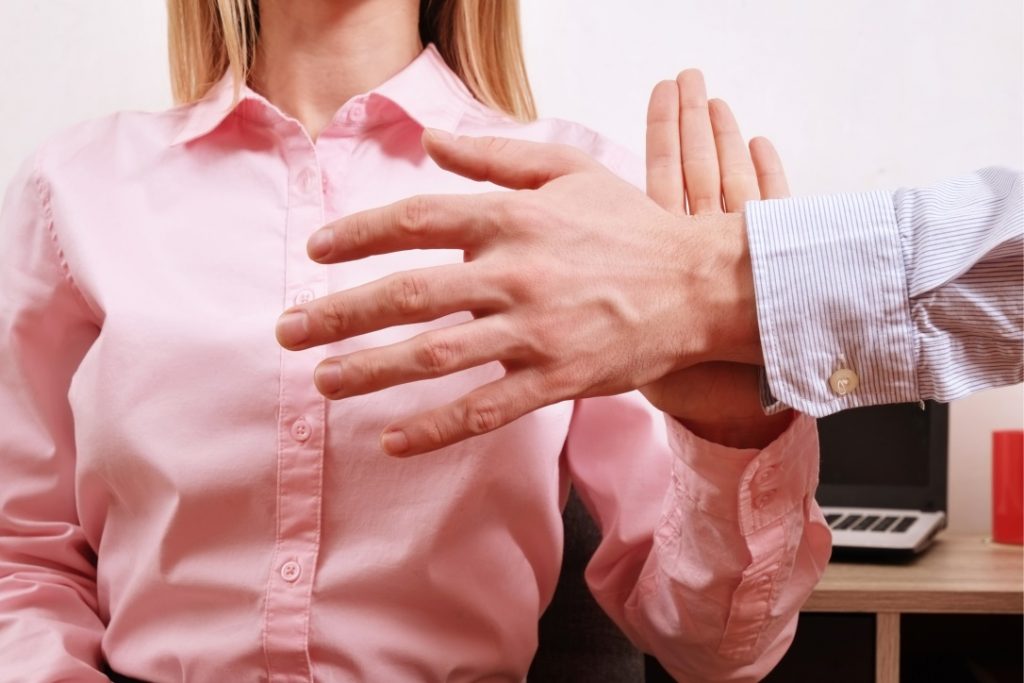
What behaviour is and isn’t acceptable at your event?

group of delegates drinking

There’s been a lot of publicity about sexual harassment and the #metoo movement in the last year, but how would you handle a complaint of this sort if it happened at your event?  What about a conference attendee smoking, vaping, carrying a gun or taking marijuana? In some places, this behaviour is permitted and it is important that we all know how to deal with these situations if they arise.

Sexual harassment is not unique to the meetings industry, but meetings do offer opportunities for abusive behaviour. You could get a complaint about any activity that an individual or group considers inappropriate and at meetings people often present themselves differently, as they are away from home, family and in unusual circumstances outside the office environment. Other issues which could offend are social media postings, suitable clothing and verbal comments, such as racist, anti-lgbt etc

inappropriate behaviour

Marijuana is now legal in Canada, as well as in 10 states in the US: California, Colorado, Massachusetts, Maine, Vermont, Michigan, Washington, Oregon and Alaska. If you are holding an event here, you need to anticipate that attendees may want to use and what can be done to make sure that it is done safely. As this is a relatively recent development the liability laws have not been developed, as has been the case with alcohol.

EDGE Venues has looked at some items that you might want to consider when planning your event.  If you’re organising an internal conference, then your company standards may cover some of these items, but if it is an external event then there are additional things to consider.

Checklist:

  • Outline what behaviour is unacceptable at meetings and events
  • Do attendees have a clear understanding of what is permitted and not permitted eg harassment, excessive drinking and other conduct
  • Issue instructions for an attendee to report improper conduct
  • Set up procedures for how you will investigate and respond if a complaint or allegation is made
  • If misconduct is found, plan what corrective action will be taken
  • Document all reported incidents, investigations and results
  • Check your insurance cover and any policy issues
  • Check your suppliers’ insurance cover and make sure these are adequate
  • Check national and state laws and regulations, make sure they are enforced
  • Have adequate security
  • Minimize opportunities for attendees to cause harassment, injuries or damage.

Accusations may be as harmful as proved bad conduct, as the perception of a badly managed event or one with a reputation for inappropriate behaviour will deter delegates from attending and will have a long term detrimental effect.