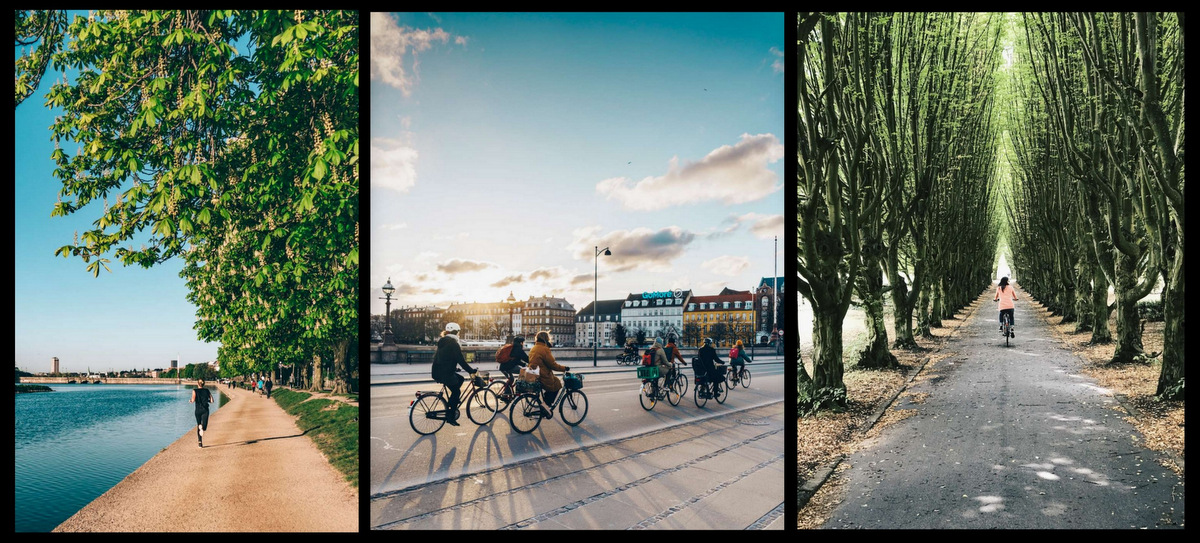
The past few years have seen a huge increase in the number of new hotels being built in Copenhagen. From cutting-edge technology in new ‘hostel’ hubs to reworked factories, an old library and the former Central Post and Telegraph Office in Copenhagen, the hotel scene is booming. Here at EDGE Venues, we’ve brought you some of the new exciting openings to look forward to…
Bryggen Guldsmeden Hotel Copenhagen
Kicking off the year is the new 4-star Bryggen Guldsmeden. This hotel opens on 17 February 2020 in the Islands Brygge area of the city. The 214-room hotel combines sleek lines and Scandinavian minimalism with a tropical vibe emanating from lush planting that surrounds the indoor pool in the glass-walled rooftop Orangery. The capacity of the meeting space is to be confirmed.
Villa Copenhagen, Hotel & Conference, Copenhagen
In spring 2020, Copenhagen Central station gets a new neighbour as the former Central Post & Telegraph Head Office opens as Villa Copenhagen. Allowing the past and present to come together the historic building dates back to 1912. The hotel incorporates many original features with an elegant and contemporary Nordic style in the 390 bedrooms and public areas. Villa Copenhagen will be able to hold events for up to 1,200 people, with 8 adjoining studios for breakouts or smaller intimate meetings. Villa Copenhagen will have a breakfast restaurant, a brasserie, wine bar and a cosy courtyard. There will also be an outdoor heated pool, sauna, gym and an urban rooftop garden.
Scandic Norreport
At Copenhagen’s busiest railway station, Denmark’s largest hotel chain Scandic will open its 27th hotel, Scandic Norreport on the corner of Frederiksborggade and Nørre Voldgade. The hotel has a direct metro service to the airport and minutes from the city’s food halls and Botanical Garden. The 100-bedroom hotel will be small compared to other Scandic properties. It will have meeting space, a roof top terrace, restaurant and sky bar for breathtaking views of the city. This property is due to open at the end of 2020.
Comfort Hotel
Located at Copenhagen airport, Comfort Hotel will open the largest hotel and conference centre in the Nordic Countries in September 2020. With 619 bedrooms, conference facilities, a restaurant, sky bar and a fitness centre spread across 12 floors. Its event space, ‘The Hangar’, will have room for 2,150 people across five areas, each holding up to 400 guests.
Beyond Copenhagen
In spring 2020, Radisson Red Aarhus, the new creative brand from the Radisson Hotel Group inspired by music, art and fashion, will open in Aarhus. The hotel will have 78 rooms, a restaurant, gym, and a meeting space. Located in the city centre, it will be close to main attractions and historic Latin quarter with bars and cafes. The main railway station is within walking distance and there will be easy access to the airport.
Scandic, Aarhus Waterfront
The Aarhus waterfront (pictured) will also become home to a new landmark conference hotel. The complex will include a 29,000 m2 hotel with 500 rooms. The meeting facilities will seat 2,000 conference-goers or a total of 3,500 concert guests. Located on ground level, the conference facilities will include a waterfront restaurant. The new conference hotel, to be operated by Scandic. It will include an exterior public walkway covering the full height of the building with gardens and sea views.
Jorgensens Hotel, Horsens
Less than an hour south of Aarhus in the town of Horsens, Jorgensens Hotel is set to open in 2020 after a major refurbishment. The hotel is located in the majestic Lichtenbergs Palace, dating from 1744. The reopened hotel will maintain its period charm and personality. The event space has capacity for up to 300 people.
Copenhagen – the capital of Denmark, is a compact country, meaning it is easy to get around and make trips to the country and back again in a very short space of time. The city, which originated as a fishing village and grew to be capital of the Danish Empire, is typified by palaces, copper-roofed town houses and atmospheric cobbled squares.
Paula Calton shares her insight into this destination and the different venues you might want to consider for future events…
The International Congress and Convention Association (ICCA), recently ranked Copenhagen as the 7th largest conference city and the city is not just doing well its also expanding quickly.
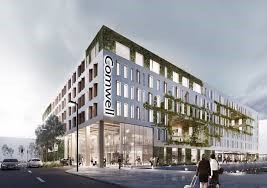
Comwell Copenhagen Portside
Comwell Copenhagen Portside
In Nordhavn, Copenhagen’s newest dockland neighbourhood, the Comwell Copenhagen Portside is set to open next year. The new conference hotel will be designed to complement the existing marina environment and will offer sea views. The hotel will feature 484 rooms in addition to 18 conference and meeting facilities. There will also be a bar and restaurant on the ground floor facing the water and there are plans to establish a water taxi service to bring visitors into town via the waterways. The new conference hotel will be designed to complement the existing marina environment and will offer sea views.
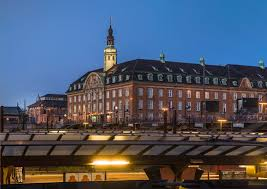
Villa Copenhagen – new 5-star hotel
Copenhagen’s former central post office is set to be transformed
into a five-star hotel.
Villa Copenhagen
The heritage building from 1912 will offer 390 rooms and suites, fitness centre and relax areas with pool, 5 different restaurant and bar concepts in addition to a modern conference hall seating up to 1200 delegates and eight executive meeting rooms. The philosophy of Villa Copenhagen is “sustainable luxury” with an emphasis on curbing food waste and single-use plastics. The hotel therefore seeks to offer a different kind of informal service than regular 5-star hotels. Set to open in early 2020 the hotel is a neighbour to Tivoli Gardens, one of Copenhagen’s major tourist attractions. Also with its location next to the Copenhagen Central Station, the hotel can be reached by direct shuttle train from the airport.
Copenhagen has two of the world’s top five best restaurants
When the World’s Best Restaurants were recently announced, Denmark’s capital placed not just one but TWO restaurants in the top five.
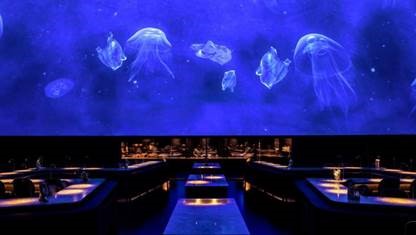
Restaurant Alchemist
Restaurant Alchemist
After spending 50,000 chef hours preparing the menus and re-purposing a former shipyard production facility using 200 tons of steel, Restaurant Alchemist is ready to launch what is rumoured to be the biggest culinary sensation in Copenhagen in years.
Headed by chef Rasmus Munch, the gourmet restaurant is described an artistic/theatrical experience that invites diners to experience a 50-dish menu described as “holistic cuisine” created by 4 different kitchens, including their dedicated chocolate kitchen. A total of 30 chefs and 20 waiters will tend to 40 guests during the evening sitting. Headed by chef Rasmus Munch, the gourmet restaurant is described an artistic/theatrical experience that invites diners to experience a 50-dish menu described as “holistic cuisine” created by 4 different kitchens, including their dedicated chocolate kitchen. A total of 30 chefs and 20 waiters will tend to 40 guests during the evening sitting.
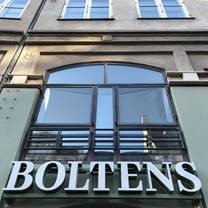
Boltens Food Court
A new player has been added to Copenhagen’s street food market. Boltens Gård (a historic and cosy courtyard near the King’s New Square) opened its doors in April, offering both Danish and international dishes from 19 different stalls.
Boltens Food Court
Buildings in a historic courtyard from the 1700s next to Kongens Nytorv square have been re-adapted to create the city’s largest food court, featuring 19 food stalls in addition to bars on several floors, totalling 4,000 m2 of indoor space. In addition, there is a cobble stoned courtyard (1,500m2) with 1,000 seatings. Three of the food stalls will serve Danish cuisine and the remaining will serve food from around the world.
Beyond the Capital
Not only Copenhagen is having a growth spurt. In Aarhus, Denmark’s second city, new hotels and restaurants are rapidly shooting up.
Radisson RED
Scandinavia’s first hotel under the Radisson RED label is set to open in central Aarhus, offering 78 rooms, meeting and event facilities, a restaurant, and a gym.
Radisson RED
The new brand by Radisson Hospitality AB seeks to appeal to
Millennial and Gen Z generations, offering small but comfortable rooms, select
services and a playful design.
As a novelty, guests will be able to check in and out – and
even open their hotel room doors – using the Radisson RED hotel app. Radisson RED
is the latest addition to the Radisson Hotel Group brand portfolio.
Radisson RED Aarhus will be located by the City Hall Square within easy walking distance of the Aarhus Central Station, the Scandinavian Centre.
Restaurant KP5 opens in Aarhus
Aarhus’ new harbour front is rapidly developing into a new designer dockland. Among the newcomers is the KP5 brasserie, which is located by the marina.
Restaurant KP5 opens Aarhus
Events can be hosted in combination with their Vin Danmark and Hantwerk facilities, which along with the brasserie boast a max capacity of seats 300 outside. The restaurant offers French inspired dishes in newly renovated rooms. The food is seasonal and focuses on high quality produce. From the restaurant you have a unique view of the marina and harbour life.
Restaurant Ghrelin
One of the latest gourmet offerings to open in Aarhus, Restaurant Ghrelin is named after the human “hunger hormone”. Located in the city’s new dockland developments on Aarhus Ø, Ghrelin is headed by two of the city’s most celebrated chefs, Anders Kuk Kristensen and Nicklas Friis Nielsen.
Restaurant Ghrelin
The 30-seat gourmet restaurant is described in the Michelin
Guide as “A sleek, modern two-roomed restaurant with a semi-open kitchen and
confident friendly service.” Ghrelin offers 3, 5 and 7-course tasting menus
with an emphasis on organic produce.
Copenhagen is not only a front runner with its sustainable solutions it has one of the worlds most ambitious climate policies. A goal of being the first carbon-neutral capital city by 2025 and has never been so accessible offering non stop flights from more than 183 international destinations. Copenhagen Airport has easy access to and from every continent and all major European cities.
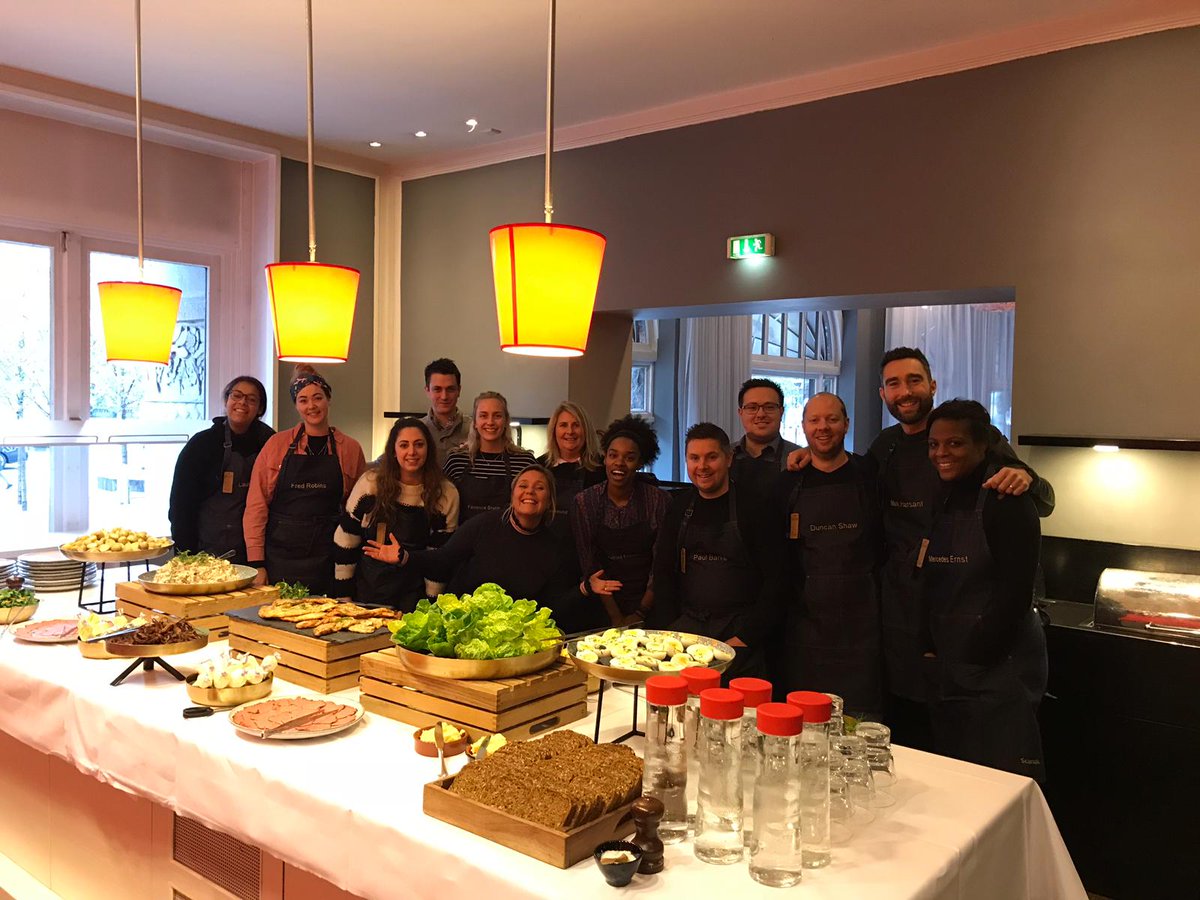
Paul Barke recently visited the city on a fam trip with Scandic Hotels Group and had this to share on the city and what it can offer for meeting and event planners…
A city with plenty to offer
With the City Centre being only 13 minutes by metro, Copenhagen has seen a massive hotel boom with approximately 8,500 hotel rooms being built over the next four years. This equates to more than 40% increase in the city’s capacity with Greater Copenhagen on track to reach nearly 30,000 rooms by 2021.
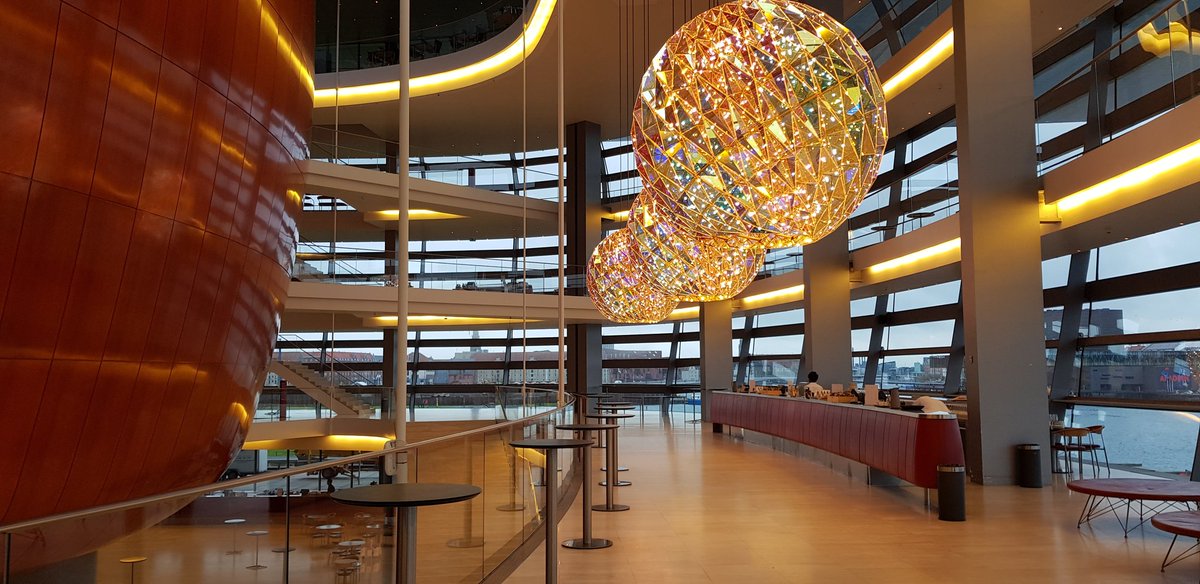
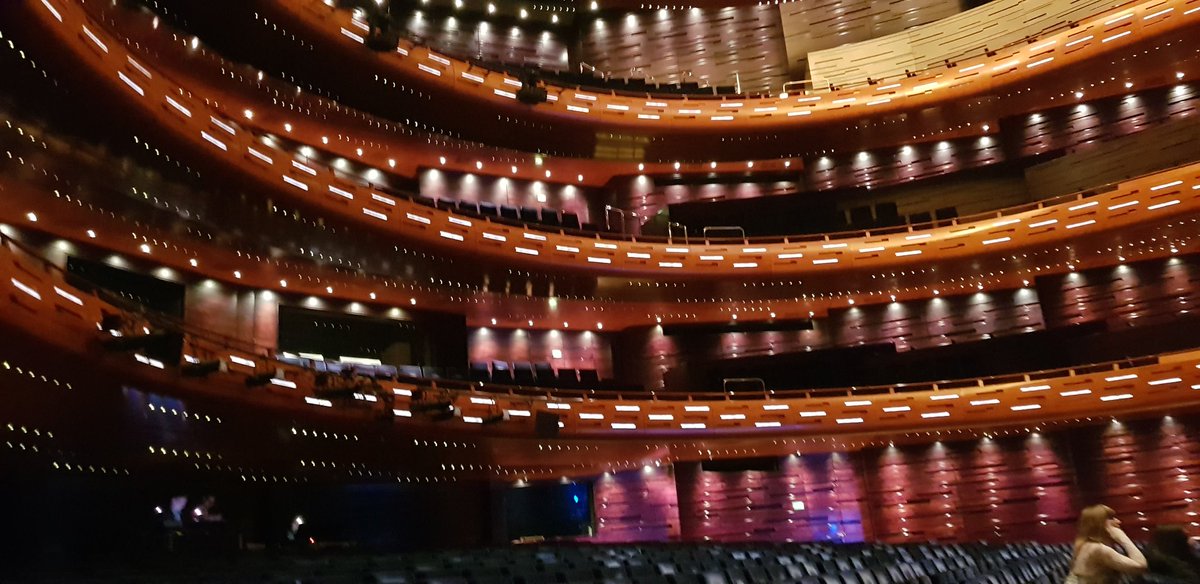
For something unique for your next meeting, consider the Copenhagen Opera House – it has a beautiful auditorium and spaces to cater for large dinners and meetings.
What’s next?
Recent openings includes the brand new 4* Scandic Kodbyen which opened on the 8th September with 370 bedrooms in the trendy Meatpacking District.
Coming soon:
August 2019: 4* Scandic Falkoner with 335 and an auditorium for up to 2000 delegates.
January 2020: 5* Hotel Posthuset with 390 room – located in the historic building of the Old Post Terminal.
5* Hilton Copenhagen City with 400 bedrooms due later that year.
Getting around the city
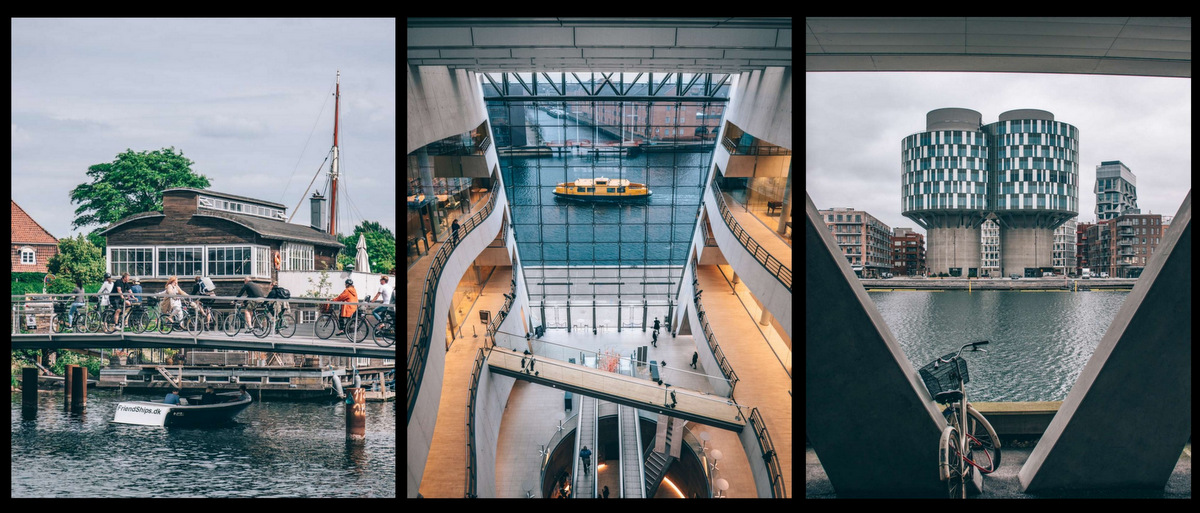
Its compact city centre makes walking between meeting venues, hotels, sights, restaurants and shopping areas a matter of minutes. Or join the locals and go by bike.
Perfect for foodies
Nearly 70% of the hotel rooms in Copenhagen are eco-certified. Gastronomic hotspot: Guide Michelin Nordic Cities 2018 has awarded a total of 19 stars to 15 restaurants in Copenhagen. Geranium tops the list as the only restaurant in Denmark with three stars, while AOC and Kadeau hold two stars. Whether you wish to try Michelin-starred Nordic food or are into other cuisines from around the globe it is all here. Get ready for a unique dining experience!
Massive thank you to John and Tanja from the Scandic Hotels Group for the Copenhagen fam trip, amazing. Lovely people, country and great hotels.
By Lene Corgan, Head of Business Development UK & Europe
Home to multiple green oases, some of the cleanest water in the world and a unique bike culture, Copenhagen is well known for being one of the world’s most sustainable and liveable cities and is routinely place at or near the top of livability, sustainability and related global rankings.
Every morning the cycle paths fill up with commuters as an impressive 63% go by bike to work in Copenhagen. Sustainability and being green is part of the Danish DNA and just as sorting the rubbish is a natural part of the day, recycling and green energy is a key focus.
It therefore comes as no surprise that Copenhagen is also a front runner when it comes to hosting green meetings, conferences and events. The fact is that sustainability has been thought into most hotels, venues and the city itself, so you will get a green solution whether you want it or not.
In 2009, Copenhagen hosted the first-ever eco-certified political summit, the United Nation’s Climate Change Conference COP15, and in 2012, Denmark played host to the most sustainable Presidency of the European Union, certified to ISO-20121 sustainable event management standards.
The Copenhagen City Council is working targeted towards becoming the world’s first CO2-neutral capital by 2025, and Denmark has ranked number one on the Climate Change Performance Index for three consecutive years, a success based on positive development in recent emissions and good policy execution.
The sustainable focus has even spread to the city’s restaurant scene, presenting numerous restaurants serving locally sourced, organic and climate friendly dishes, ranging from high end options such as ***Michelin-starred restaurant, Geranium and *Michelin-starred restaurant, Relæ, to easy going and diverse Copenhagen Street Food and, Gro, situated in an urban rooftop farm, just to mention a few. But let’s start from the beginning:
Travel to Copenhagenn
Flying will never be the most environmentally-friendly way of transporting yourself but is nevertheless a convenient one. We recommend that you fly directly to leave the smallest possible carbon footprint. Even better, take the train directly from city centre to city centre and save time and expenses from going to and from airports.
Copenhagen offers highly advanced and developed public transport infrastructure. The Metro – presently under expansion – connects the city center to the airport in just 13 minutes, where the efficient airport train takes you to Copenhagen’s Central Train Station in only 12 minutes. Either solution costs less than €5.
Also, worth considering is that Copenhagen is one of the most walkable cities in the world, ranked World’s most walkable city by Walk 21 in 2013. Its compact city centre makes walking between meeting venues, hotels, sights, restaurants and shopping areas a matter of minutes. Or join the locals and travel by bike. There are public bikes available for hire all over the city.
Accommodation and venues in Copenhagen
More than 70% of the hotel rooms in Copenhagen are eco-certified, so sleeping with a green conscience is no challenge. The Nordic hotel chain Scandic is one of the suppliers that has taken social responsibility a step further. Scandic not only has effective energy usage and serves selections of organic foods. When sheets, towels and furniture are replaced, they are donated to local shelters for the homeless. Since 1996, the hotel chain has worked hard to make its resource usage more efficient.
Crowne Plaza Copenhagen Towers opened in 2009 with an ambition to be leading in eco-friendly hotel management and was named World’s Greenest Hotel in 2010 by SKÅL. In 2013, after 14 months of focused efforts, Crowne Plaza Copenhagen Towers became the first hotel in Denmark to be certified with the international environmental management standard ISO 14001.
The city’s largest hotel chain, Danish family owned Arp-Hansen Hotel Group, offers 12 hotels, all qualified for The Green Key in recognition of their effectiveness by reducing energy and water consumption, minimising waste, introducing organic produce and creating a healthy environment in which to work and stay.
International hotel chains such as Radisson have their own environmental programs. For instance, starting in 2012, Radisson Blu Hotels & Resorts chose an ambitious commitment with the Think Planet strategy and a plan to reduce energy consumption by 25% within five years.
The above-mentioned hotels all offer meeting facilities with a green profile. However, if you need more space, Scandinavia’s largest convention centre, the Bella Centre, also upholds a thorough environmental policy and its own windmill and holds a Green Key certification.
Food in Copenhagen
In recent years, the restaurants in Copenhagen have developed the New Nordic Cuisine, focusing on seasonal, local produce. It’s still possible to get a good steak in Copenhagen, but many restaurants have turned their focus to vegetarian and vegan dishes. This approach is also climate-friendly and adds to the fact that Denmark, and the Copenhageners in particular, are leading within organic food consumption.
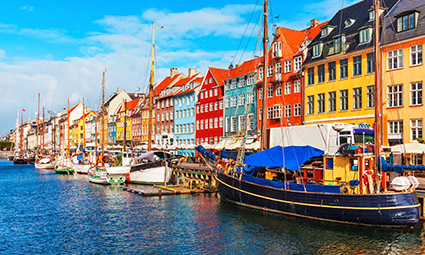
Copenhagen’s ‘Michelin-starred restaurant, Geranium, mainly serves organic and biodynamic food, but you can find organic food in numerous restaurants around the city. BOB Biomio Organic Bistro, Denmark’s largest organic eatery in the trendy Vesterbro part of town is a good example. Restaurant Cap Horn, by the picturesque canal Nyhavn, was one of the first restaurants in the city to implement organic produce and, as a minimum requirement, all basic ingredients such as eggs, milk and butter are organic, as are the coffee and tea and the majority of the other beverages.
If you want to cater organic food for meetings or even mega-events, Danes know how to do that as well. During the UN Climate Change Conference COP15 held in Copenhagen in 2009, 75% of the food for the 30.000+ participants was organic and could be purchased at a reasonable price.
Social activities
There are several ways to engage your participants in environmentally-friendly activities. Why not enjoy the sights of Copenhagen from the back of a bike or tie your shoelaces and run around the sights, maybe finish off with a refreshing and cooling swim in the clean harbour.
Another possibility is to visit some of the organic farms e.g. Krogerup Avlsgaard or Fuglebjerggard outside the city, offering teambuilding activities and culinary sessions with food and micro-brewed beer in organic settings.
Copenhagen works to continuously push for a more sustainable future and aim to inspire other destinations to embrace green solutions as a natural part of hospitality. And to do so the congress and meetings industry plays an instrumental role creating a sustainable city that works towards realising the UN’s 17 sustainable development goals.
The City of Copenhagen’s existing policies and strategies all contain ambitious goals in relation to the SDGs, addressing all three dimensions of sustainable development: social, economic and environmental including, as mentioned, becoming the world’s first carbon neutral capital by 2025, an ambitious goal, which is tracking on target.
Acknowledging the need for Destination Marketing Organisations (DMOs) to contribute to the realisation of the SDGs, Copenhagen’s official DMO, Wonderful Copenhagen is working closely together with a range of stakeholders to ensure a sustainable destination that is as much for locals as it is for tourists.
Wonderful Copenhagen has recently been certified as a Green Tourism Organisation and has vowed to make tourism a force for good. From hotels combatting food waste to venues running job school programmes for refugees, Copenhagen’s meetings industry is behind many different sustainable initiatives that all contribute to making Copenhagen a more sustainable destination. Wonderful Copenhagen is set to launch its new sustainability strategy for 2018-2021, which will outline the path going forward for both the destination and its many players as well as Wonderful Copenhagen itself.