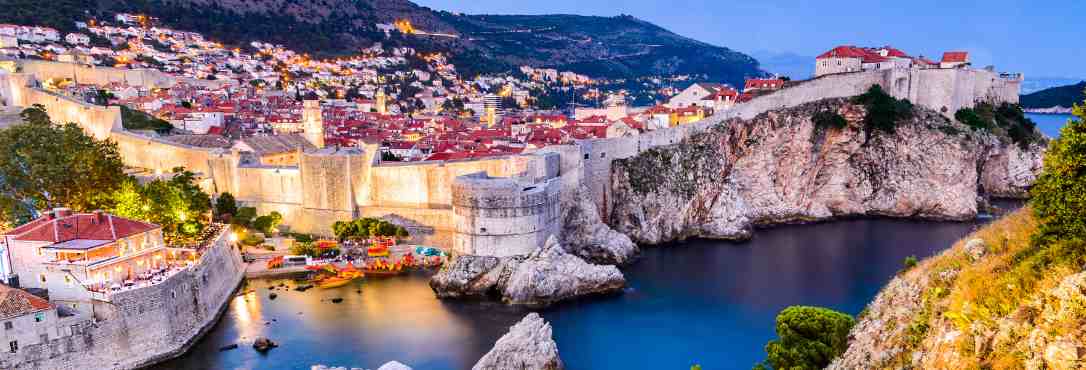
On the south eastern coast of Croatia sits Dubrovnik, the ‘Pearl of the Adriatic.’ The small historic city is a UNESCO World Heritage Site and has famous city walls surrounding the city.
Dubrovnik: A Place of History
Dubrovnik takes great pride
in its city walls, which are double-layered for the most part. Built during the
16th century and stretching for almost 2 miles, these impressive structures
were go around most of the old city. They reach a towering height of around 25
meters. Inside the walls, visitors can find various towers, fortresses, and
countless historical monuments. As visitors venture outside the walls they will
come across charming villas nestled amidst beautiful gardens.
The Real-Life King’s Landing
Dubrovnik is famed for many
things, but some may know it for being the filming location of the popular
series, Game of Thrones. Dubrovnik serves as the setting for King’s Landing in
the series. For those who don’t watch the show, it is in a position equivalent
to London on the map of the kingdoms, making it a significant area.
Hotel Bellevue Dubrovnik
Perched dramatically on a
cliff 30 meters above Miramare Bay, Hotel Bellevue
Dubrovnik offers breathtaking views of the
stunning Dalmatian coast. The hotel is only a short 10-minute stroll away from
the medieval city centre, allowing visitors to enjoy the best of both worlds.
Nestled at the foot of the cliffs lies a pebble beach, enticing guests to
unwind on a sun lounger and bask in the warm Mediterranean sunshine without
having to travel far. The hotel offers two sophisticated meeting rooms that can
accommodate groups of 10 to 250 people.
Dubrovnik Palace Hotel
On the beautiful Lapad
peninsula, Dubrovnik
Palace Hotel sits between the sea and pine
forest. It offers peaceful seclusion and is blessed with a unique view of the
Elaphite islands while being only a few minutes by car, bus or taxi from
UNESCO-protected Dubrovnik Old Town. There are two dedicated conference areas
on the 9th and 10th floor, and all rooms provide state of the art audiovisual
equipment and services.
The Hotel Excelsior Dubrovnik
This hotel is in the city
centre and is just 18km from the main airport meaning it is very accessible.
This hotel boasts stylishly furnished rooms with contemporary benefits such as
en-suite bathrooms, free Wi-Fi and air conditioning. There are leisure
facilities such as a sauna, fitness centre, Jacuzzi, spa & wellness centre,
billiards, steam room and massage ensure guests have a relaxing stay. The Hotel
Excelsior is able to provide seven function and
event rooms with a maximum capacity in the most substantial space of 450
delegates, as well as 158 bedrooms and a catering capacity of 400 people.
Grand Villa Argentina
Located on the cliffs just
outside the historic city of Dubrovnik is Grand Villa Argentina. As soon as guests walk into the reception area, they
meet incredible scenic views. The breathtaking views of the Adriatic stretch
from the island of Lokrum to Dubrovnik’s photogenic old harbour. Whether guests
are sunbathing on the hotel’s beach with its saltwater pool, dining on the restaurant
terraces, lying on a sun lounge on one of the individual rocky outcrops, or
reading a book in the gardens, spectacular scenery surrounds guests.
This elegant luxury hotel
features three stylish and comfortable meeting rooms, all with natural light
and AV equipment, which can accommodate a maximum of 200 delegates in theatre
style seating.
Hotel Kompas Dubrovnik
Located adjacent to the
exquisite Lapad Bay beachfront and Uvala and its famous tree-lined promenade, Hotel Kompas
Dubrovnik is less than 4 kms from Dubrovnik’s
magnificent medieval Old Town city centre. The glorious panorama of the entire
Lapad Bay and its glistening clear waters and unspoilt beaches, greet guests
from the vast floor-to-ceiling windows of the grand reception and the Zenith
Bar.
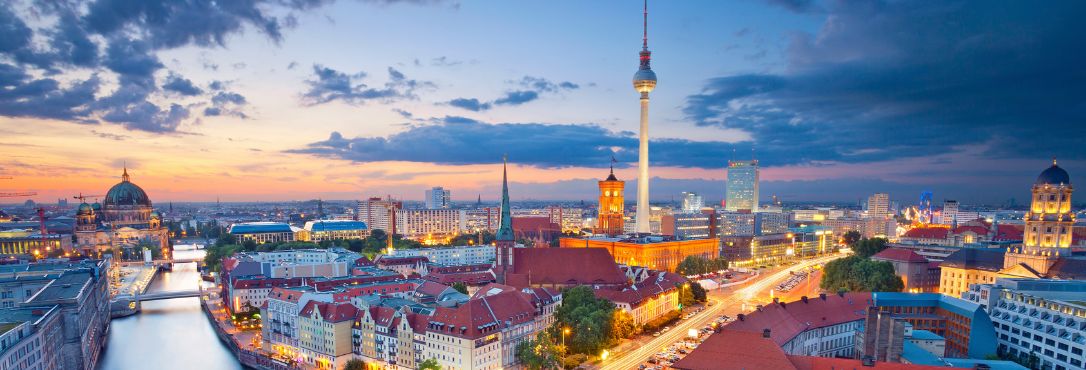
Sat on the River Spree in
North-Eastern Germany is Berlin. This city is renowned for its vast range of
unique landmarks, vibrant nightlife and an eclectic mix of modern architecture
and historic buildings.
Sustainable Smart City
Berlin has one of the most
vast and efficient public transport systems in Europe. From the u-bahn to
trams, there is always something to get visitors from A to B, and in a
cost-effective way. This makes a massive difference as taking public transport
halves the CO2 emitted per journey.
Berlin also has the
Einwegpfand – a 25c deposit on bottles that you can get back by returning used
bottles. Not only does it incentivise recycling by getting your money back, but
it allows individuals in need to collect up bottles and earn some euros. The
scheme is popular with locals as people collect bottles off the streets to earn
back the deposit.
As well as this, Berlin has a
great selection of vegan cafes and restaurants. The variety gives visitors a
choice in reducing their environmental impact as they can chose plant-based
foods. Even in non-vegan restaurants there are plenty of plant-based options.
Hub for History and Culture
With citizens from over 190
countries, Berlin is a hub for culture. Walking through the streets of Berlin,
visitors will have no trouble finding street art and graffiti. Many of these
artworks have meaningful stories behind them, including pieces at East Side
Gallery (an art exhibition scaling a remaining section of the Berlin wall).
Berlin also has an abundance
of history. The city has more museums than it has rainy days – on average 105
rainy days a year to 175 museums. One of the city’s most famous historic
buildings, the Reichstag is a fusion of the original 19th century parliament
building and a restoration project from 1999. The building was heavily under
fire during WWII and was ON fire in 1933 – causing catastrophic damage.
Meetings and Events Hotspot
Germany’s capital city is
raising the bar on conference and event standards. Whether organisers are
looking for a unique event space or a conference hotel, Berlin has a range of
space to suit any event. VisitBerlin encourage the planning of sustainable and
green events, and with the facilities that Berlin already has in place, this is
easily achievable.
Venues to Suit Every Need
H4 Hotel Berlin
Alexanderplatz
Located on one of Europe’s most popular squares, this hotel embodies the unique combination of tradition and modernity that Berlin has to offer. The 4-star hotel has every amenity a guest needs to feel at home and cared for. The hotel also has eight conference rooms that can be flexibly combined. The rooms are each equipped with multi-media facilities and are accessible to large car models, making it a fully functional and versatile space.
Regent Berlin
Regent Berlin is a
classic-style 5-star property, home to 156 luxuriously decorated rooms and 39
suites. Each room is soundproofed and comes equipped with an antique desk. The
hotel is next to the Gendarmenmarkt Square, where there are plenty of upmarket
shops and restaurants nearby. The hotel’s restaurant, Charlotte & Fritz, is
decorated in the style of a 19th century salon and has views of the
square.
The Hotel Palace Berlin
This privately-run business
hotel sits in the centre of City West between the Kaiser Wilhelm Memorial
Church and the Mall Bikini Berlin. The Hotel Palace Berlin is home to the
‘House of Gin’ and the sous-vide restaurant ‘beef 45’. Also, guests can find
Palace Spa and Fitness Centre, sauna, ice cave, and a modern gym. The hotel has
18 function rooms for meetings and events, from big conferences for 900
delegates to exclusive dinners, Hotel Palace can do it all.
Berlin is an unforgettable
choice of event location and makes a perfect spot for sustainably focused events.
The city’s public transport makes it a breeze to get from one place to another,
opening up lots of venues across the city.
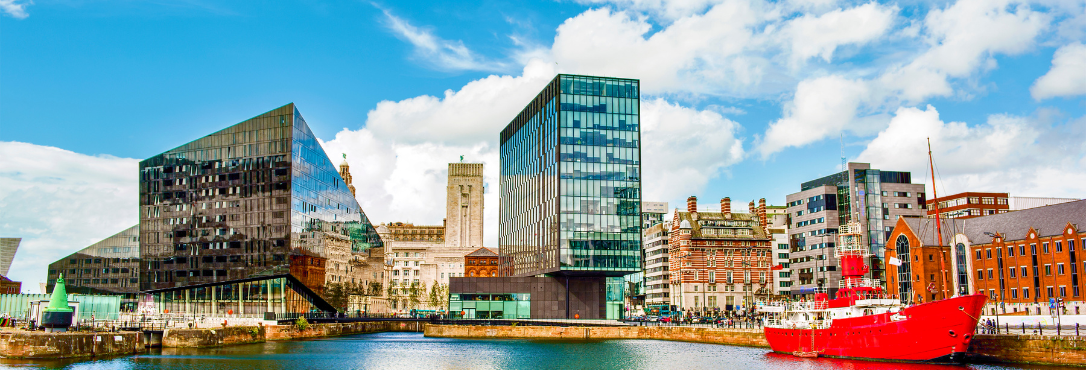
As Liverpool becomes the host of the 67th Eurovision Song Contest, we take a look at three reasons of the reason’s Event Profs are attracted to the city on the River Mersey.
1. Liverpool’s Infrastructure
How will the world’s media and all those thousands of guests get to the event venue for Saturday 13 May’s Eurovision? Liverpool has the infrastructure to support events of this scale.
And, according to Visit Liverpool, the local transport in Liverpool City Region “prides itself on its accessibility making travel around the area easy for all.” The Merseytravel website provides accessibility information on each mode of transport in the area, with access guides and useful contacts.
And alongside fantastic travel links and public transport, the CityBike bicycle hire scheme is also available in the city centre. Liverpool is a compact city centre so is easy to get around by bike and you’ll be able to pack even more into your events. Bike & Go also allows you to hire a bike from participating train stations for a daily fixed rental charge – take it anywhere you like and keep it for the whole day.
2. Liverpool’s Culture
Five decades after The Beatles burst onto the world’s music stage, the region still attracts the world to the banks of the Mersey. And the city’s culture is one of the biggest reasons it was chosen to host Eurovision on behalf of the 2022 winners, Ukraine.
In addition to being 2008’s European Capital of Culture, it continually aims to capitalise on its creative economy (www.cultureliverpool.co.uk). And in 2015, Liverpool was designated a UNESCO Music City, validating that Liverpool and music are synonymous. It’s not just the Beatles and Eurovision’s 1993 runner-up Sonia. The city has an influential music history that reaches back to the 18th century when the city developed into one of the world’s great ports. The port brought a level of cultural diversity and genres still going strong today.
Merseyside’s contribution to the world of pop is vast too. Think Atomic Kitten, Dead or Alive, Echo & The Bunnymen, Frankie Goes To Hollywood, Gerry and the Pacemakers, Mel C, Orchestral Manoeuvres in The Dark, Space, The Lightning Seeds, and The Mighty WAH!
Speaking about the region’s culture, Steve Rotheram, Mayor of the Liverpool City Region, said: “The Liverpool City Region is the UK’s cultural capital – home to a flourishing music scene that has been entertaining and inspiring the world for decades. It is a massive part of our identity, and we are a proud UNESCO City of Music. It’s safe to say that Liverpool wouldn’t be Liverpool without music – and music wouldn’t be music without Liverpool.
“No region in the UK has had more number one hits – and nowhere can throw a party quite like us. I can think of nowhere more qualified, more experienced or more fitting to host the Eurovision than the Liverpool City Region.”
One of Liverpool’s multitude of cultural attractions is it’s River of Light. In 2022, between 21 October and 6 November, the outdoor illuminated gallery on Liverpool Waterfront will be lit daily from 5PM until 9PM. Ten artworks across a 2KM loop feature light and sound from local, national and international artists. Find out more about it in this Event Industry News interview with Creative Director of Culture Liverpool…
3. Liverpool’s Venue Strength
If you’ve read any of the reasons that Liverpool was selected following its bid for 2023 Eurovision, you’ll know the venue helped it stand out. As it should be for any event choice. For the Liverpool Arena, its facilities; the ability to accommodate thousands of visiting delegations, crew, fans and journalists, all helped.
Liverpool hosts a mighty seection of meeting and event venues, including many EDGE licencees. Here’s a selection of those available to you:
Radisson Blu Hotel Liverpool
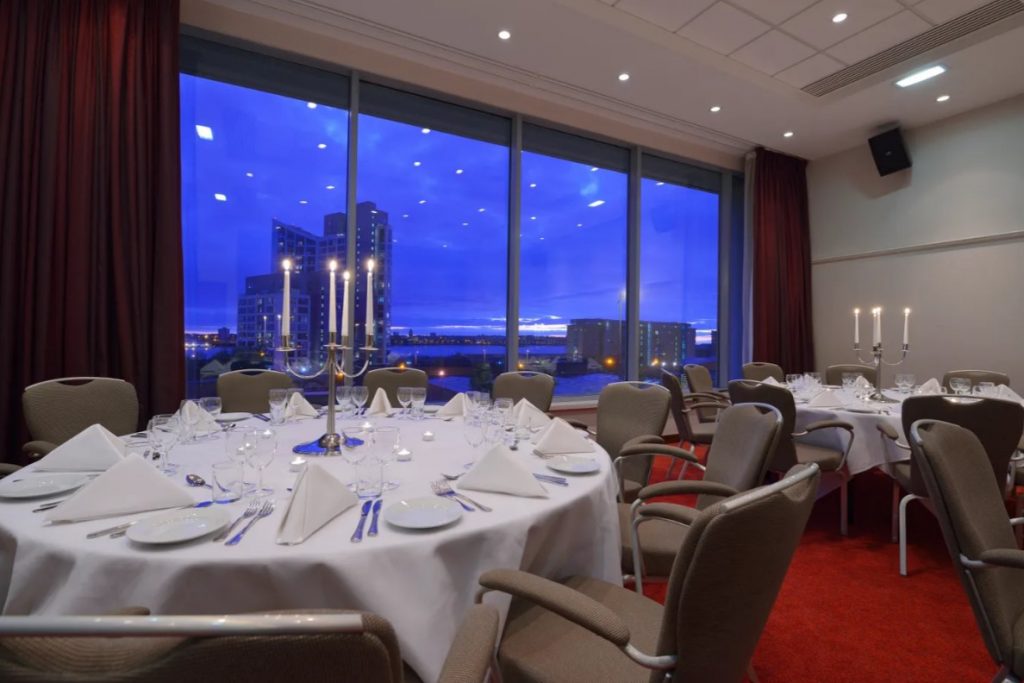
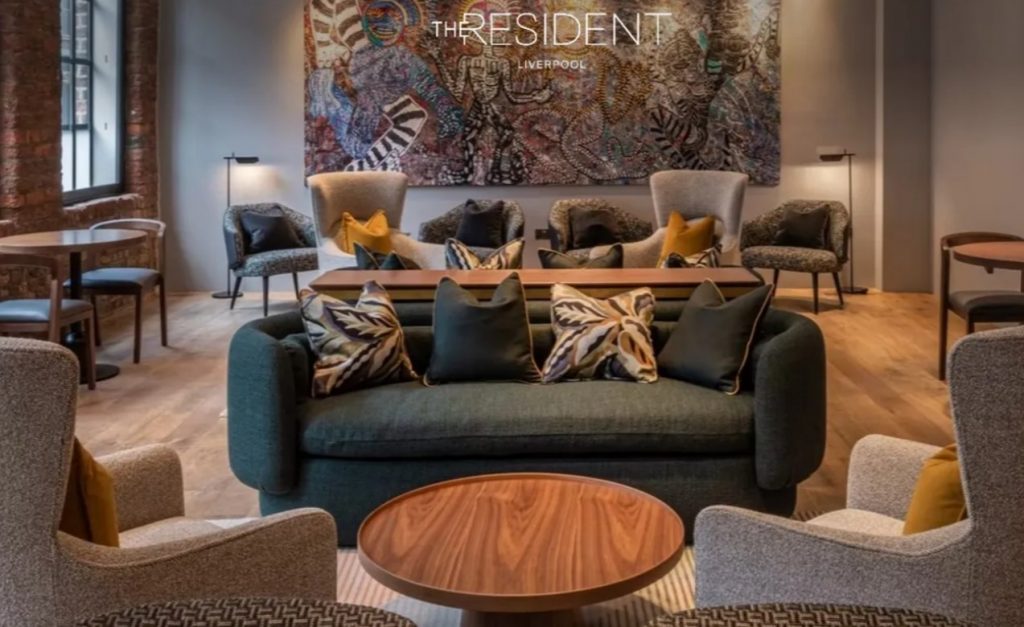
Right in the heart of the business district, the venue is a short stroll from all of Liverpool’s main attractions. Its 194 smart and stylish rooms and suites feature free Wi-Fi. Experience its unique twist on the classic British Brasserie in the Collage restaurant. The property also offer secure, valet parking, but spaces get snapped up fast on a first come, first served basis.
MEETING ROOMS: 9 BEDROOMS: 194 TRAVEL: Liverpool John Lennon Airport (9.20 miles)
Perfectly situated for everything the city has to offer, in the beating heart of Liverpool’s legendary Ropewalks area, the surrounding cobbled streets are lined with an eclectic selection of eating establishments, conversation-starting art spaces, independent bars, music venues, and renovated warehouses. The Museum Quarter and the Albert Dock are also just moments away. The venue’s superbly comfortable, highly equipped bedrooms are perfect to unwind and recharge as night falls.
BEDROOMS: 106 TRAVEL: Liverpool John Lennon Airport (9.20 miles)
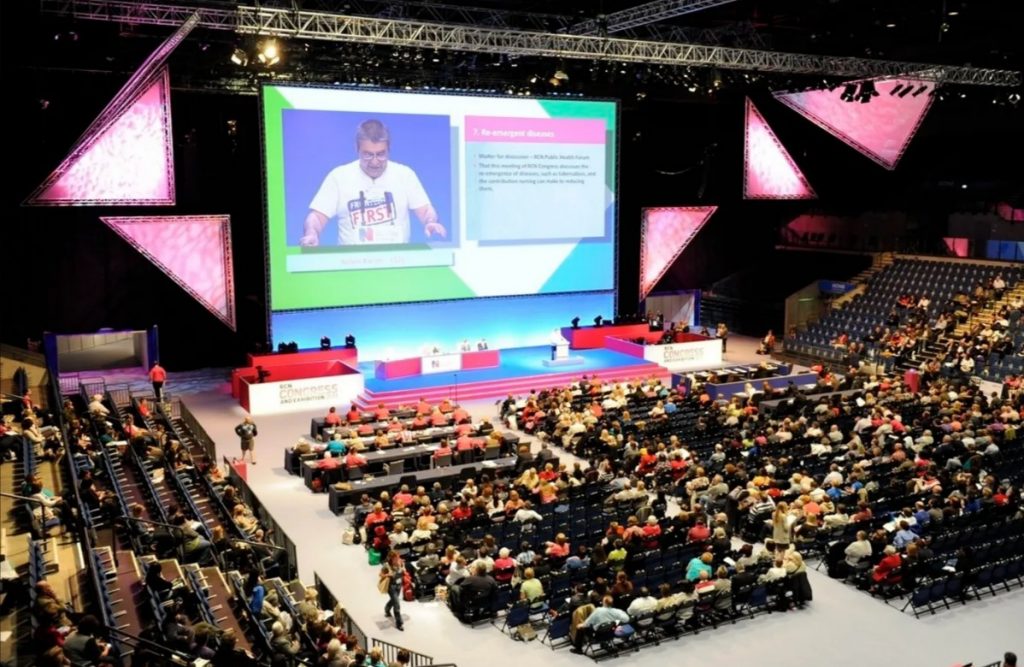
ACC Liverpool, part of the Liverpool event campus, features an interconnected arena, convention and exhibition centre – beautifully positioned on the banks of the city’s waterfront. With almost 15 years’ experience in event delivery, and a strong venue team passionate about conferences, and exhibitions, the conference centre has matured into one of the most well-connected event destinations in the UK.
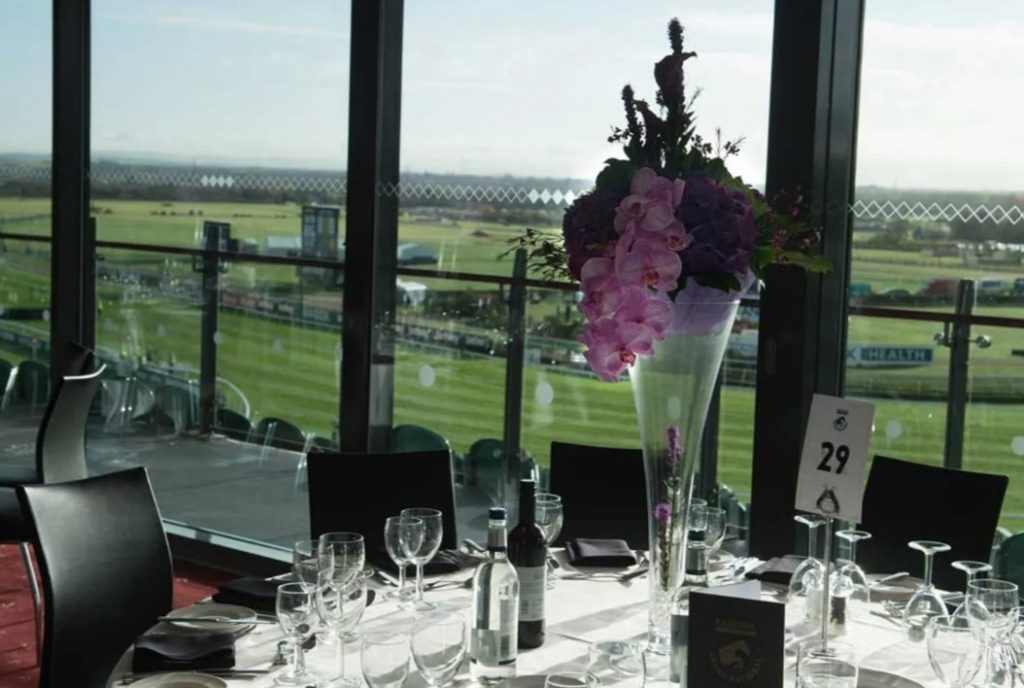
With many of the conference rooms overlooking the racecourse, Aintree has a capacity of up to 600 delegates. Aintree is located on the A59, with links to major motorways through the M57 and M58. Liverpool airport is just 17 miles away and Manchester airport a 45 minute drive. Aintree train station is within 5 minutes walking distance and the city centre only a 15 minute journey by both train and car. Parking is free of charge with up to 1000 spaces.
Competitive Index 2019 for global cities hosting meetings and events ranks them by features such as infrastructure and costs.
Paris has retained the top spot in ICCA’s rankings of the most competitive destinations for international conventions.
Barcelona has moved up one place from its 2018 ranking to second place, while Singapore has jumped three places from sixth to third. Washington has gone the other direction, dropping from second to seventh place.
ICCA has worked with convention industry consulting firm GainingEdge on the second annual ‘Competitive Index’ of international convention destinations. This year’s edition extends the listing to the world’s top 103 cities – those which have hosted 82 or more international conventions over the past three years as reported by ICCA.
This year’s report also includes a ‘fair share’ analysis of a destination’s business levels.
“We think this analysis will help destinations to gain insights into where they are and whether they should be in market share building mode, or market share protection mode,” said GainingEdge CEO, Jon Sivertson.
“If you are below fair share there are probably reasons for that. For instance, if your competitors have better financed bureaus, it provides you with a business case for increased resources. If you are above fair share, the message should be that you need to avoid a downside risk. You are only there because you are taking some of your competitors’ share, and if they get it back, you lose.”
Most competitive global destinations for conventions
City
Score
1
Paris
741.4
2
Barcelona
708.8
3
Singapore
706.8
4
Tokyo
694.1
5
New York
691.2
6
Beijing
672.2
7
Washington DC
668.2
8
San Francisco
664.6
9
Boston
661.3
10
Chicago
660.9
11
Hong Kong
653.4
12
Kuala Lumpur
647.7
13
Berlin
646.6
14
Toronto
642.8
15
Amsterdam
641.4
16
London
635.4
17
Istanbul
635
18
Bangkok
627.3
19
Milan
615.2
20
Seoul
604.3
21
Madrid
601.5
22
Frankfurt
600.4
23
Shanghai
600.2
24
Vienna
599.6
25
Chinese Taipei
596.1
(The full index covers 103 international cities)
The index compares the strength destinations by assessing features such as infrastructure (meeting venues, hotel stock and facility package, international accessibility and logistics), competitive factors (scientific community strengths, destination appeal and costs), as well as macro indicators (market size, economic strength, business environment, and social conditions).
For the eighth year running, Brussels is the preferred destination in Europe for association event organisers, according to the Union of International Associations’ annual ranking.
The capital of Europe has a network of more than 2,250 registered association, which represent diversified sectors.
The successful ranking is based on a number of factors, including its ideal geographical location, the presence of an important network of associations and European institutions, a network of speakers nearby, venues for special events, hotel infrastructure and a high level of multilingualism.
“Visit.brussels has invested greatly in supporting international associations and in organising their events. They are truly part of the capital’s DNA,” said Patrick Bontinck, CEO of visit.brussels.
“In this respect, in 2018 the partners form the visit.brussels Convention and Association Bureau contributed significantly to the 733 meetings of international associations held in Brussels. A big part of our 2025 strategy’s commitments is based on a deeper development of our congress and conference offer, as well as strengthening personalised services supported by international associations,” he added.
“They will be able to reap the benefits of the numerous connections that our expert will help with as well as the economic development of our region.”
Helping to strengthen Brussels’ association meetings reputation is the ESAE’s (European Association of Association Executives) Strategic Plan for 2019-2021, which launched in June.
The plan implants the vision and sets the foundation for ESAE to uphold Brussels’ position as the leading pan-European network of association leaders and the referenced knowledge source on association management, leadership and governance.
ESAE connects European association leaders and executives, supports their professional development and establishes effectiveness and professionalisation of the sector.
ESAE’s program manager, Ioannis Pallas said: “We are glad to count on visit.brussels’ extensive know-how in helping understand better and connect with association leaders from different sectors.
“Working with their extremely knowledgeable staff is a valuable practice in ESAE’s way forward to extend our outreach and provide high-quality, bottom-up services to our members.”
Paris has reclaimed the top spot in the International Congress and Convention Association (ICCA) city rankings for 2018, as the number of global meetings recorded hit a record high.
However, the UK has fallen from third to fifth in the country rankings, overtaken by both Spain and France, with London falling one place to seventh in the city rankings.
The US continues to top the country rankings, as ICCA captured a total of 12,937 rotating association meetings taking place in 2018. This was an increase of 379 meetings year-on-year and represents the highest annual figure ICCA has ever recorded in its yearly statistics, signalling that industry growth is continuing on a strong trajectory.
Paris climbed to the top of the city rankings by number of international association meetings with a margin of 40 meetings above second place holder Vienna. In 2017, Paris and Vienna held joint second place, with 190 meetings each. Last year’s number one Barcelona fell to fourth place, with Madrid entering the top five for the first time since 2015 in third place. Among the top five cities for another year, Berlin falls to fifth place from fourth in 2017. London fell from sixth to seventh slot, with 150 meetings.
The top 10 is as follows:
Paris – 212
Vienna – 172
Madrid – 165
Barcelona – 163
Berlin – 162
Lisbon – 152
London – 150
Singapore – 145
Prague – 136
Bangkok – 135
The US remains in the top country spot, unchallenged for more than two decades. Germany remains in second place while the UK dropped from third to fifth place, overtaken by Spain, which rises to third. After exiting the top five last year, France re-entered in 2018 in fourth place. Italy replaces France in sixth place, and Japan and China remain in seventh and eighth place for another year. The Netherlands and Canada swap positions, coming in at ninth and 10th respectively.
The top 10 is as follows:
US – 947
Germany – 642
Spain – 595
France – 579
United Kingdom – 574
Italy – 522
Japan – 492
China – 449
Netherlands – 355
Canada – 315
ICCA CEO Senthil Gopinath said: “We have recorded our largest ever annual snapshot of the immediate past year’s meetings data in 2018. These results closely follow the release of our 55-year history of the international association meetings market in October 2018.
“ICCA’s latest figures uphold the mature, robust growth pattern we identified in this report and provide more evidence of our firm belief that the association sector continues to be an unrivalled stimulator of global societal development and force for progress across the globe.”
Teams from destination marketing organisations and convention bureaux around the UK will reunite next month for the second Meetings Industry Association’s (mia) Destinations Summit.
Sponsored by VisitBritain, the two-day event will take place from 11-12 February at the Hilton Liverpool City Centre and is open to anyone responsible for attracting conferences and events at a destination or convention bureau.
Following the success of the inaugural summit last year, convention bureaux professionals from across the UK have come together to create a thought-provoking two-day programme designed to upskill the knowledge, skills and confidence of those working in key roles to attract business events to their destination.
Highlights will include a key note address by one of the leading figures of the international meetings and events industry, Christian Mutschlechner, the director of the Vienna Convention Bureau.
Airbnb’s head of EMEA partnerships Hadi Moussa, will also be giving a talk about new and innovative ways for destinations to utilise their system for events and Julian Stubbs, founder and CEO of Up There, Everywhere will be delivering a session on branding and place marketing.
Paul Szomoru, director of business at NewcastleGateshead Convention Bureau and Destinations Chair for the mia, said: “We are really excited about holding our second mia Destinations Summit in Liverpool. With a fantastic mix of international speakers and colleagues from VisitBritain and UK destinations, we are pulling leading experts and practitioners from near and far to share best practice on a range of subjects.
A lot of the content is being delivered by convention bureaux for convention bureaux on some very important subjects such as accommodation booking service excellence and destination strategic alignment.
“VisitBritain is a key delivery partner and it’s fantastic to have its support and involvement in the programme. The VisitBritain business events team will be delivering some great sessions, sharing the latest insights and engaging with destinations about the expertise the team can bring.”
Kerrin MacPhie, head of business events at VisitBritain, said: “We’re very pleased to be working with the Meeting Industry Association, supporting the Destinations Summit to boost the UK’s appeal as a leading destination for business events and promoting our role as a key partner to increase our share of the global marketplace.
“It is an exciting time for business events in the UK with new venue openings and product launches in 2019. VisitBritain is also working on new initiatives to win more international business and the quality and strength of the convention bureaux is vital to making this happen, as well as the strong relationships we have with destination teams across the UK.”
Last month, Paula Calton, Business Director for EDGE Venues, headed out to Seville to experience the delights of what Seville has to offer. During the trip, Paula visited several hotels and has shared her top tips when considering these venues for meetings and events.
The City itself
Located in the south west of the Iberian Peninsula, Seville is Spain’s 3rd urban tourist destination which boasts an immense historical, monumental and cultural heritage. The city has a population of just over 700,000 making it the 4th largest city in Spain after Barcelona, Madrid & Valencia.
Seville is the capital of southern Spain’s Andalusia region. It’s famous
for flamenco dancing, particularly in its Triana neighbourhood. Major landmarks
include the ornate Alcázar castle complex, built during the Moorish Almohad
dynasty, and the 18th-century Plaza de Toros de la Maestranza bullring. The
Gothic Seville Cathedral is the site of Christopher Columbus’s tomb and a
minaret turned bell tower, the Giralda.
Thanks to the city’s modern infrastructure and excellent communications, favourable weather, delicious gastronomy and its hospitable inhabitants Seville is ideal for hosting events and individual tourism. The city of Seville has a wide communications network: Ave, high speed train; San Pablo International Airport; motorways, and a modern fluvial port for the reception of cruises.
Things to consider…
Time Zones
Seville has the same time zone as Central Europe (GMT +1). Capitals such as Paris, Amsterdam, Berlin or Stockholm share the same time zone as Seville. This is, for example, 6 hours ahead of Washington, 8 hours behind Beijing, 9 hours behind Tokyo, 10 hours behind Sydney or 4 hours ahead of Rio de Janeiro.
Currency
The official currency of Seville is the Euro.
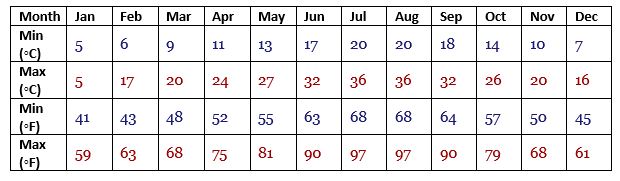
Average Temperature
Seville Airport
The airport of San Pablo is located ten kilometres northwest of the city of Seville, between the limits of the cities of Seville and Rinconada.
Seville Airport is the sixth busiest inland airport in Spain. It is the main international airport serving Western Andalusia in southern Spain, and neighbouring provinces. The airport has flight connections to 42 destinations around Europe and Northern Africa, and handled 5,108,807 passengers in 2017.
A taxi from the airport to the city centre costs approx. 25 euros.
Value for money
Seville is significantly cheaper than Barcelona or Madrid for accommodation and venue hire often as much as 50% less depending upon the time of year. Hotel prices change very little throughout the year with the exception of major holidays and festivals when availability is limited, and rates increase.
An average price for a 3-course dinner with wine would be 20 -30 euros per person. Tapas start at 2 euros each, beer at one euro for a caña (small glass – even less in some places), and wine at 2 euros a glass. The more avant-garde tapas bars will charge up to 5 euros for a small dish, but the ingredients and presentation will be correspondingly more sophisticated.
Hotels
Seville has a total of 9,423 bedrooms and this is increasing.
Star rating
No of Hotels
No of Rooms
5*
5
707
4*
47
6161
3*
36
1906
2*
16
408
1*
12
241
Total
116
9423
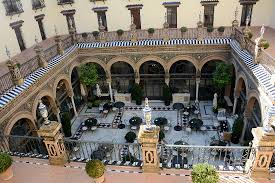
Hotel Alfonso XIII (Luxury Collection)
Commissioned by the King of Spain to play host to international dignitaries during the 1929 Exhibition, Hotel Alfonso XIII remains an iconic cultural landmark. Centrally located in the historic quarter of Santa Cruz, it sits next to Reales Alcázares and Seville Cathedral. Following a significant renovation, completed in 2012, the hotel’s distinguished architecture and Moorish detailing have been enriched, showcasing native Andalusian design and heritage.
The hotel has 126 guest rooms and 22 suites. There are 9 function rooms four of which have a very individual style and décor and access to outside terraces and the gardens and can accommodate up to 350 delegates. The other five are smaller, plainer spaces but very functional for syndicates. Cocktails, lunches, coffee break etc can be served on the many terraces, in the gardens or around the pool. There is a bar and restaurant on the ground floor and a pool side bar.
Quick tip:
The ideal group size for the hotel is 70 -100 rooms depending upon season (between Dec- Feb this could go to 20 rooms and also offer buy outs). This is a stunning property with lots of outside space, a real sense of luxury and ideal location for exploring the city.
Eurostars Torre Sevilla
The Eurostars Torre Seville opened in June 2018 and occupies the top 19 floors of the Torre Sevilla and at 180.5 meters it is the highest skyscraper in Adalusia. Located next to the Triana district, the hotel is 10 minutes’ walk from the Carthusian Monastery, less than 10 minutes by car from the Science and Technology Park and just 15 minutes from Seville Airport.
The hotel has 7 rooms and 21 meeting rooms all of which have natural daylight, the latest technology and can accommodate 2-300 delegates. The restaurant is on the 34th Floor and the 37th floor Atalaya terrace cocktail bar provides a great space with 360 degree views and can be privatised for events.
Quick tip:
As the hotel is new and has a lot of meeting space there are opportunities for groups to obtain some very favourable rates.
Hard Rock Cafe Sevilla
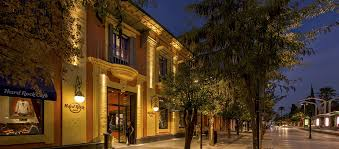
Built in 1761, and originally owned by the Royal Tobacco Factory, Hard Rock Cafe Sevilla’s building retains many elements of the original construction with both its facade and interior having the original architectural features from the 18th century.
The multi-level Cafe includes indoor seating over two floors, an upscale vibrant atrium bar and a Rock Shop. Taking inspiration from local architecture, using traditional Sevillian materials and finishes throughout the design, the highlights are its prominent arches, compelling ceramic tiles and wooden fixtures.
Quick tip:
From an intimate unplugged meeting to a full-blown production, Hard Rock’s unique and comprehensive resources allow you to execute corporate meetings & events, convention receptions, incentive rewards or private dining.
Orio Restaurant
ORIO is characterised by a new conceptualisation of the Basque tavern based on an overflowing “pintxos” bar along with a short yet varied menu inspired by the fishing villages in the Basque country. The front of the premises is a spacious pintxo bar opening onto Calle Santo Tomas, with a terrace facing the Archivos de India. The bar itself is on one side, with a very appetising array of Basque style pinxos so typical in Bilbao and San Sebastián, but something of a novelty in Sevilla.
Beyond the bar are two dining rooms leading out to a second terrace on Calle Miguel Mañara, with space for around thirty diners. Decoration is minimalist, but with lots of wood, and a big mural of a fisherman (Orio is the name of a Basque fishing village).
Quick tip:
Average price for 2 courses without drink is 30 euros.
Real Alcázar Palace
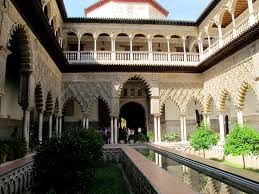
Located in the heart of Seville, the Real Alcazar is one of the oldest palaces still in use in the world. The palace has evolved through different stages over time, from the late 11th century to the present day. From its walls we can appreciate the influence of the cultures that have passed through the city.
This palace-fortress was commissioned by Abd Al Raman III, it is intricately formed of exquisite rooms decorated with plasterwork, tiling and coffered ceilings, which combine perfectly with the magnificent gardens and use of water to create an unforgettable impression.
Highlights of the palace include the Patio de las Doncellas courtyard, with its beautiful tiled plinths, and the Patio de las Muñecas courtyard, with its fascinating collection of capitals.
Quick tip:
The Palace closes for 3 days if the Royal family visit otherwise it opens to the public everyday 9-5. It is worth noting that some of the spaces and terraces are available for hire for private cocktail receptions and/or tours.
Doña Maria Hotel
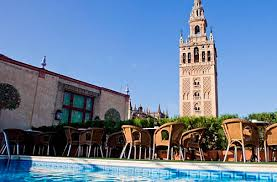
Hotel Doña Maria is a newly refurbished ancient palace situated in the historic centre of Seville at the edge of the Santa Cruz Quarter. With views over the Cathedral and the Giralda from its roof top bar a swimming pool.
Quick tip:
This 4 star hotel provides flexible meeting spaces for smaller groups of 10 – 30 delegates , 64 traditionally styled bedrooms a relaxing lounge, cocktail bar and restaurant.
Seville Cathedral
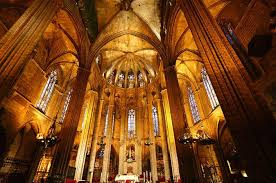
The Cathedral of Seville was constructed on the Great Almohad Mosque. In 1401, the Chapter decided “to build another church so great that there is no other that is equal, so that the authority of Seville and its Church is considered and obeyed as reason commands”.
It is the third-largest Cathedral in the world after St Peter’s in the Vatican and St Paul’s in London. The cathedral is impressive and stands in the historical centre of Seville. There are so many incredible details in every corner of this cathedral including the tomb of Christopher Columbus, and you can climb up the bell tower, the views across Seville are unbeatable but be warned there are a lot of steps! The inside has multiple side chapels etc, all beautifully carved and decorated.
The stonework, wood carvings, paintings, silverware and in particular the wonderful organ were quite fantastic. No wonder it is at the top of World Heritage site listings. The Patio de Los Naranjos (orange tree garden) is also very original touch for a church.
Quick tip:
Group tours can be arranged.
Metropol Parasol
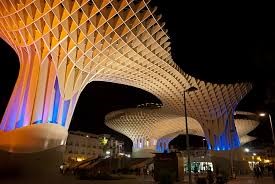
Metropol Parasol is a wooden structure located in the old quarter of Seville, Spain, that has become the modern symbol of Seville. It was designed by the German architect Jürgen Mayer and completed in April 2011. It is 150 by 70 metres large and about 26 metres high and it claims to be the largest wooden self-sustaining structure in the world.
The building is popularly known as “The Mushrooms”. It was built at a cost of 80 million Euros. The structure consists of six parasols in the form of giant mushrooms (“Las setas” in Spanish), whose design is inspired by the vaults of the Cathedral of Seville and the ficus trees in the nearby Plaza de Cristo de Burgos. Metropol Parasol is organized in four levels.
The underground level (Level 0) houses the Antiquarian, where Roman and Moorish remains discovered on site are displayed in a museum. Level 1 (street level) is the Central Market. The roof of Level 1 is the surface of the open-air public plaza, shaded by the wooden parasols above and designed for public events. Levels 2 and 3 are the two stages of the panoramic terraces (including a restaurant), offering one of the best views of the city centre.
Quick tip:
There is one space available for private hire for events on level 3 for 150 delegates.
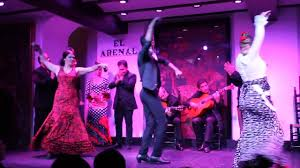
Tablao El Arenal
This venue was nominated as the place that showcases the best flamenco show in Seville by the New York Times. The Tablao El Arenal in Seville is the most emblematic flamenco scene in the city. With 40 years of history, in this restaurant you can enjoy the purest and most authentic Flamenco Art. The restaurant is located in the historical and cultural centre of Seville, in the El Arenal neighbourhood, between the Maestranza de Sevilla bullring and the Maestranza Theatre, a few meters from the Giralda, Seville Cathedral and The Golden Tower.
The restaurant can seat up to 80 and does 2 dinner sittings with a show per night at 7pm and 9.30 and costs 50-70 euros per person for dinner, drinks and show.
Quick tip:
Seville is the home of Flamenco and I have never seen anything quite as amazing as the display that I witnessed at Tablao El Arenal. Tablao Flamenco El Arenal – Venues.
FIBES
FIBE Sevilla, the Conference & Exhibition Centre of the city, is composed of two independent premises, completely different in terms of style and function that can be used as a whole and joint by an impressive footbridge. The Exhibition Facilities (FIBES I) were primarily designed to hold large exhibitions and trade fairs, for which it has three huge exhibition halls of 7,200 sqm.
The main attraction of this building are the outstanding waterfalls that surround the outdoor square at the entrance to FIBES I. Once inside, the luminous marble Dome Hall gives way to all auditorium, rooms, restaurants, and halls.
FIBES I was designed to host large exhibitions and trade fairs, with three huge exhibition halls of 7,200 m2 each with no pillars at all and service boxes every 8 metres. These three halls are linked by a wide corridor to the conference centre building, where the 2 auditorium and breakout rooms are to be found.
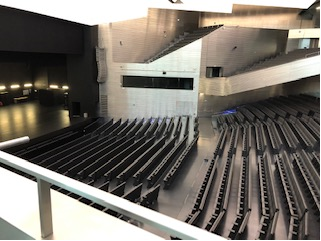
FIBES ll is a more modern construction with floor to ceiling glass and hosts a state of the art Auditorium which can be divided into 2 or 3 simultaneous auditoria. If split into 3 the capacities are 1940, 340 & 400. There is a 620m2 stage and press rooms, green rooms, dressing rooms and additional spaces for organisers , storage etc attached to the Auditorium. There are large spaces totalling 1450 m2 for exhibitions and catering with access to outside terraces and then between the two centres there are 15 breakout rooms (12 – 140 delegates) and 3 further exhibition/catering areas and an outdoor exhibition area of 678m2, providing complete flexibility for large events.
Quick tip:
There is extensive on-site parking and easy access to the airport and the city centre.
Hacienda San Miguel de Montelirio
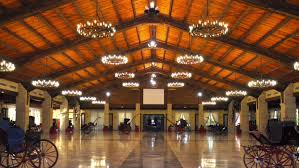
This Hacienda shows one of the best examples of rural architecture in Andalusia. It has one of the best collections horse-drawn carriages in the world and is a perfect location for gala dinners and other big events. The museum can host the drinks reception and then dinners of up to 1500 can be held in the adjacent space, the venue also has extensive gardens where drinks receptions can be held. the Mill Hall, an old oil mill that has now become a 430 M2 celebrations room with capacity for 300 people, or the Trade Hall (780 M2 room) with capacity for 550 people
Other rooms for events or celebrations are the current Museum of Carriages, a room where the collection of more than two hundred vintage horse carriages (considered today as the best collection of old carriages in Europe), a perfect space to be used for reception glass, aperitif or cocktail, at the same time as cultural visit.
Quick tip:
You also have the Old Carriage Museum Hall, a massive room of 3000 M2, without intermediate columns; ideal for gala dinners. Great also with small groups, since the unused space we decorate it with exhibition carriages, as if it were a dinner in a museum.
Real Venta de Antequera
Around 1927 the Real Venta de Antequera was a traditional place for lodging breeders and bull fighters gatherings. During the Ibero-American Exhibition of 1929, it hosted the Pavillion of the Jerez lands, including spaces for bulls and a bullring enclave. Today it is a perfect and unique venue full of history and charm, to host MICE events. The was closed for a number of years until in 2013 Arrendaluza Slu took over the venue and it underwent a vast restoration.
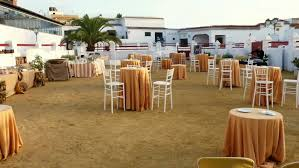
Outside space includes Corrales which can accommodate up to 2,000. It is a space that can offer great versatility for any event offering them the best service with a bullfighting flavour. It is currently where bullfighting classes are offered to practical amateurs, taught by maestro Dávila Miura. There are six salons which can accommodate 30 – 450 delegates.
Quick tips:
There are no caterers at the venues, so a catering company would need to be brought in along with the furniture.
The Real Venta de Antequera hosts a daily flamenco show attended by spectators from different parts of the world, where the different dances of the region are displayed, and this can be offered for private events.
Rio Grande Restaurant
The Rio Grande Restaurant sits on the Banks of the River Guadalquivir in the Triana area of the city. The restaurant offers superb views across to the city. The restaurant serves both lunch and dinner and offers 4 event spaces inside and 3 terraces outside. Dinner can be served for up to 340 in the largest space and there is a terrace to serve cocktails for this number. The terraces are planted with orange or lemon trees and all have stunning view of the river and city.
Quick tip:
The restaurant also hosts meetings in a couple of the spaces for up to 250 theatre style.
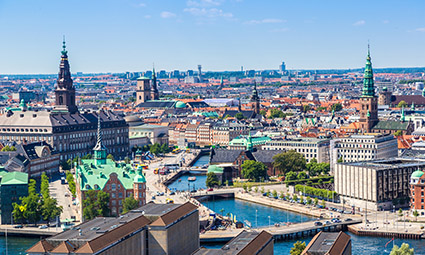
Copenhagen is not only a front runner with its sustainable solutions it has one of the worlds most ambitious climate policies. A goal of being the first carbon-neutral capital city by 2025 and has never been so accessible offering non stop flights from more than 183 international destinations. Copenhagen Airport has easy access to and from every continent and all major European cities.
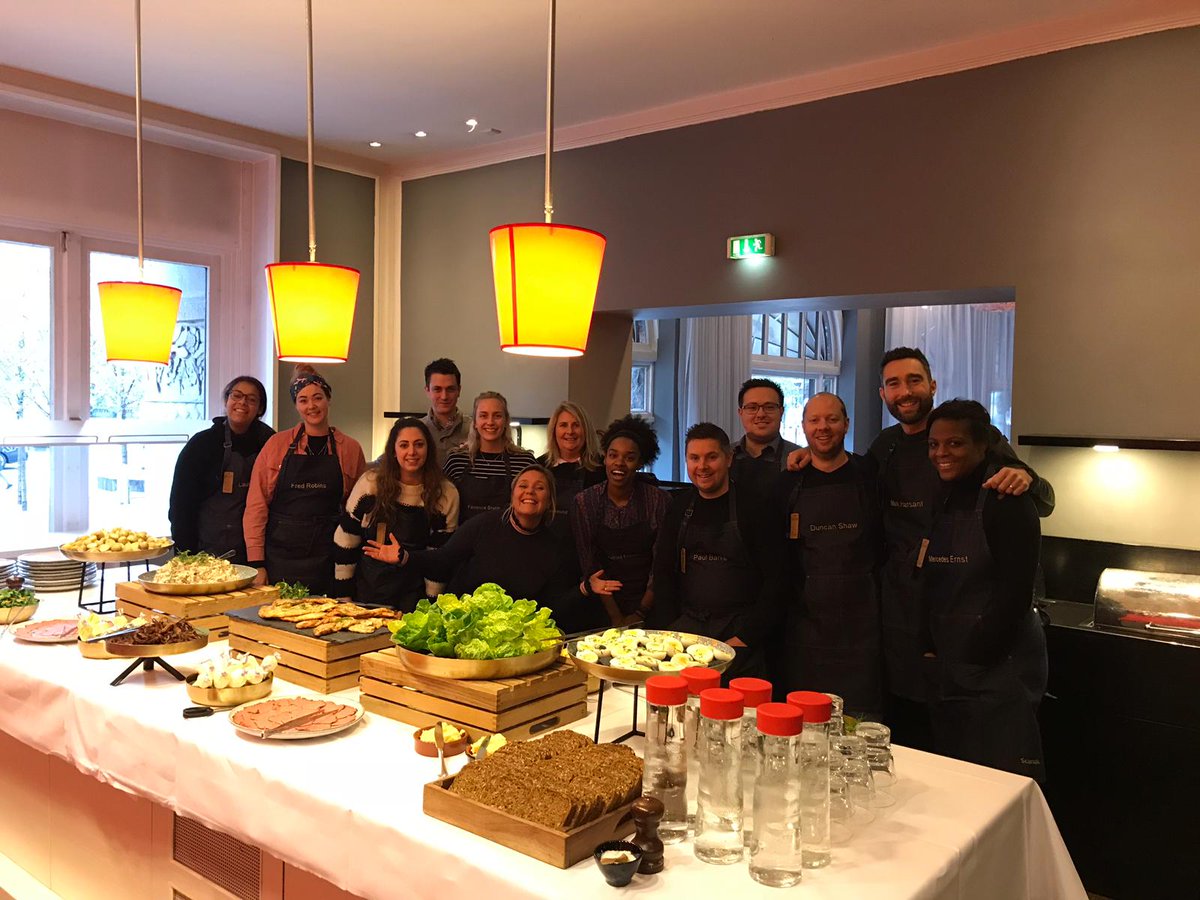
Paul Barke recently visited the city on a fam trip with Scandic Hotels Group and had this to share on the city and what it can offer for meeting and event planners…
A city with plenty to offer
With the City Centre being only 13 minutes by metro, Copenhagen has seen a massive hotel boom with approximately 8,500 hotel rooms being built over the next four years. This equates to more than 40% increase in the city’s capacity with Greater Copenhagen on track to reach nearly 30,000 rooms by 2021.
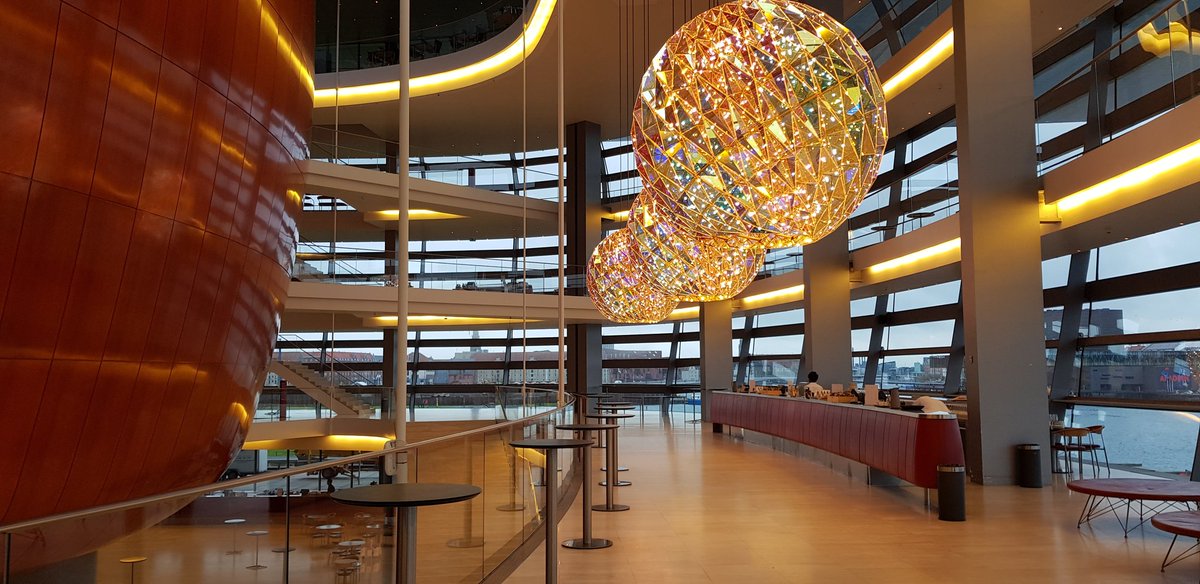
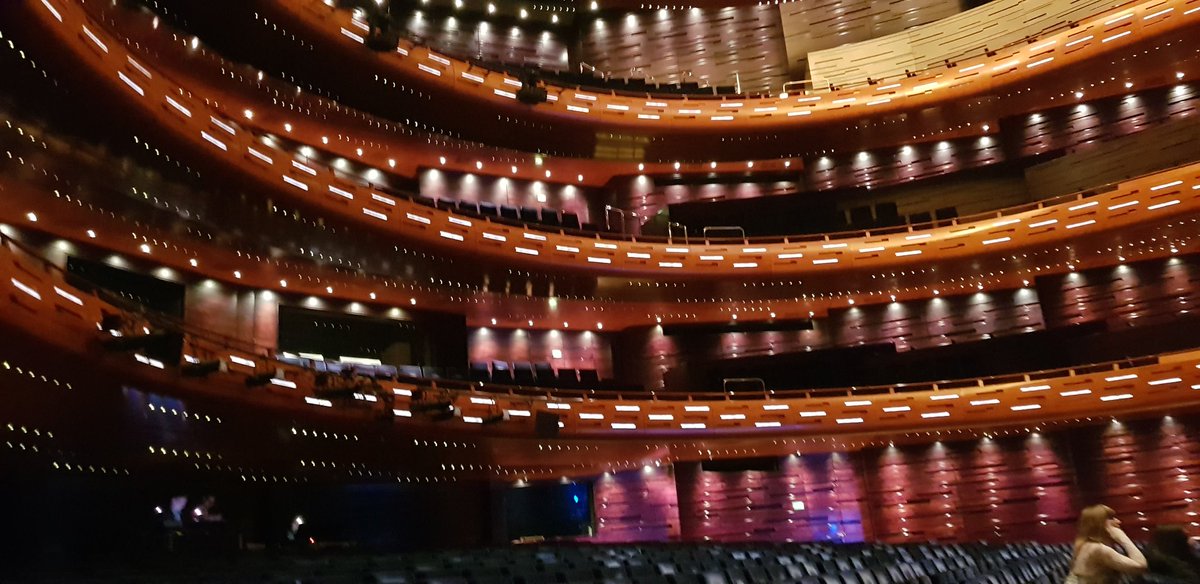
For something unique for your next meeting, consider the Copenhagen Opera House – it has a beautiful auditorium and spaces to cater for large dinners and meetings.
What’s next?
Recent openings includes the brand new 4* Scandic Kodbyen which opened on the 8th September with 370 bedrooms in the trendy Meatpacking District.
Coming soon:
August 2019: 4* Scandic Falkoner with 335 and an auditorium for up to 2000 delegates.
January 2020: 5* Hotel Posthuset with 390 room – located in the historic building of the Old Post Terminal.
5* Hilton Copenhagen City with 400 bedrooms due later that year.
Getting around the city
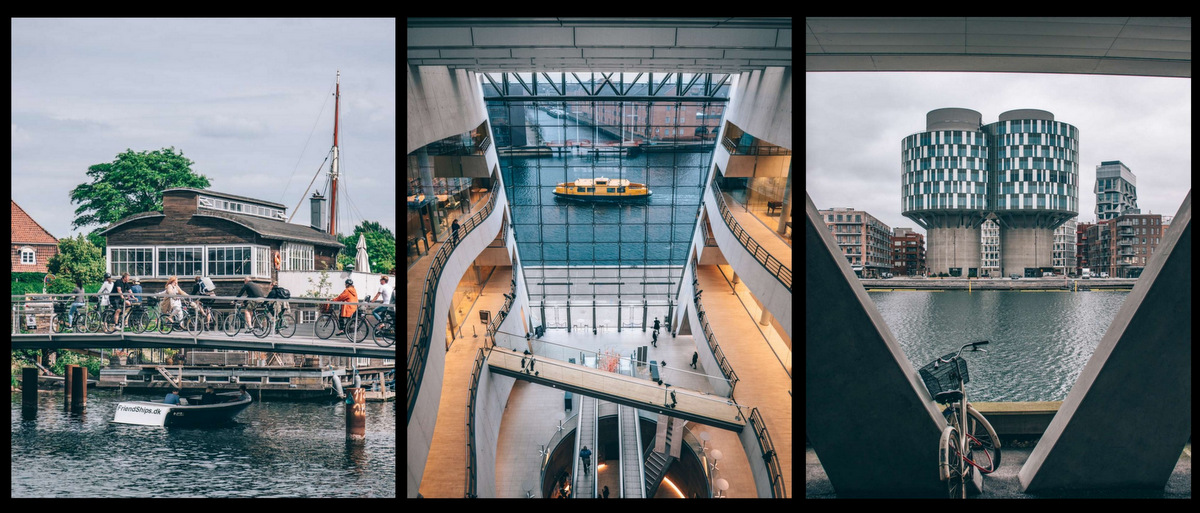
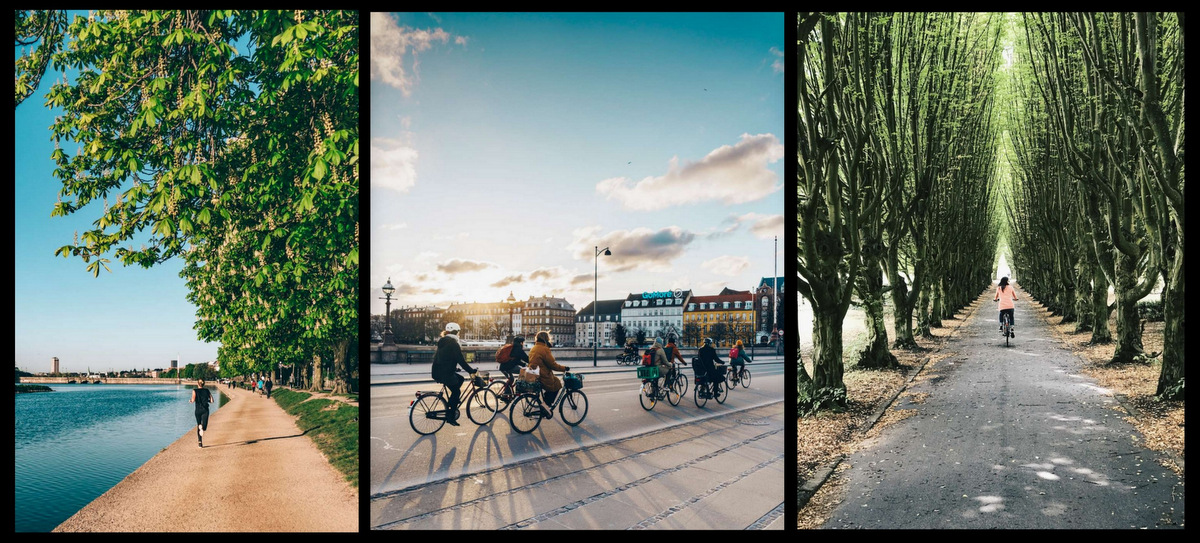
Its compact city centre makes walking between meeting venues, hotels, sights, restaurants and shopping areas a matter of minutes. Or join the locals and go by bike.
Perfect for foodies
Nearly 70% of the hotel rooms in Copenhagen are eco-certified. Gastronomic hotspot: Guide Michelin Nordic Cities 2018 has awarded a total of 19 stars to 15 restaurants in Copenhagen. Geranium tops the list as the only restaurant in Denmark with three stars, while AOC and Kadeau hold two stars. Whether you wish to try Michelin-starred Nordic food or are into other cuisines from around the globe it is all here. Get ready for a unique dining experience!
Massive thank you to John and Tanja from the Scandic Hotels Group for the Copenhagen fam trip, amazing. Lovely people, country and great hotels.
By Lene Corgan, Head of Business Development UK & Europe
Home to multiple green oases, some of the cleanest water in the world and a unique bike culture, Copenhagen is well known for being one of the world’s most sustainable and liveable cities and is routinely place at or near the top of livability, sustainability and related global rankings.
Every morning the cycle paths fill up with commuters as an impressive 63% go by bike to work in Copenhagen. Sustainability and being green is part of the Danish DNA and just as sorting the rubbish is a natural part of the day, recycling and green energy is a key focus.
It therefore comes as no surprise that Copenhagen is also a front runner when it comes to hosting green meetings, conferences and events. The fact is that sustainability has been thought into most hotels, venues and the city itself, so you will get a green solution whether you want it or not.
In 2009, Copenhagen hosted the first-ever eco-certified political summit, the United Nation’s Climate Change Conference COP15, and in 2012, Denmark played host to the most sustainable Presidency of the European Union, certified to ISO-20121 sustainable event management standards.
The Copenhagen City Council is working targeted towards becoming the world’s first CO2-neutral capital by 2025, and Denmark has ranked number one on the Climate Change Performance Index for three consecutive years, a success based on positive development in recent emissions and good policy execution.
The sustainable focus has even spread to the city’s restaurant scene, presenting numerous restaurants serving locally sourced, organic and climate friendly dishes, ranging from high end options such as ***Michelin-starred restaurant, Geranium and *Michelin-starred restaurant, Relæ, to easy going and diverse Copenhagen Street Food and, Gro, situated in an urban rooftop farm, just to mention a few. But let’s start from the beginning:
Travel to Copenhagenn
Flying will never be the most environmentally-friendly way of transporting yourself but is nevertheless a convenient one. We recommend that you fly directly to leave the smallest possible carbon footprint. Even better, take the train directly from city centre to city centre and save time and expenses from going to and from airports.
Copenhagen offers highly advanced and developed public transport infrastructure. The Metro – presently under expansion – connects the city center to the airport in just 13 minutes, where the efficient airport train takes you to Copenhagen’s Central Train Station in only 12 minutes. Either solution costs less than €5.
Also, worth considering is that Copenhagen is one of the most walkable cities in the world, ranked World’s most walkable city by Walk 21 in 2013. Its compact city centre makes walking between meeting venues, hotels, sights, restaurants and shopping areas a matter of minutes. Or join the locals and travel by bike. There are public bikes available for hire all over the city.
Accommodation and venues in Copenhagen
More than 70% of the hotel rooms in Copenhagen are eco-certified, so sleeping with a green conscience is no challenge. The Nordic hotel chain Scandic is one of the suppliers that has taken social responsibility a step further. Scandic not only has effective energy usage and serves selections of organic foods. When sheets, towels and furniture are replaced, they are donated to local shelters for the homeless. Since 1996, the hotel chain has worked hard to make its resource usage more efficient.
Crowne Plaza Copenhagen Towers opened in 2009 with an ambition to be leading in eco-friendly hotel management and was named World’s Greenest Hotel in 2010 by SKÅL. In 2013, after 14 months of focused efforts, Crowne Plaza Copenhagen Towers became the first hotel in Denmark to be certified with the international environmental management standard ISO 14001.
The city’s largest hotel chain, Danish family owned Arp-Hansen Hotel Group, offers 12 hotels, all qualified for The Green Key in recognition of their effectiveness by reducing energy and water consumption, minimising waste, introducing organic produce and creating a healthy environment in which to work and stay.
International hotel chains such as Radisson have their own environmental programs. For instance, starting in 2012, Radisson Blu Hotels & Resorts chose an ambitious commitment with the Think Planet strategy and a plan to reduce energy consumption by 25% within five years.
The above-mentioned hotels all offer meeting facilities with a green profile. However, if you need more space, Scandinavia’s largest convention centre, the Bella Centre, also upholds a thorough environmental policy and its own windmill and holds a Green Key certification.
Food in Copenhagen
In recent years, the restaurants in Copenhagen have developed the New Nordic Cuisine, focusing on seasonal, local produce. It’s still possible to get a good steak in Copenhagen, but many restaurants have turned their focus to vegetarian and vegan dishes. This approach is also climate-friendly and adds to the fact that Denmark, and the Copenhageners in particular, are leading within organic food consumption.
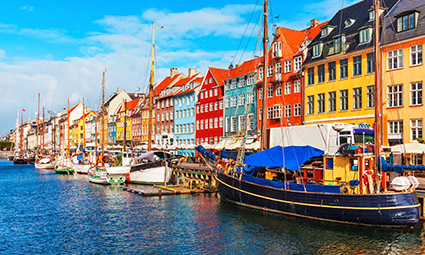
Copenhagen’s ‘Michelin-starred restaurant, Geranium, mainly serves organic and biodynamic food, but you can find organic food in numerous restaurants around the city. BOB Biomio Organic Bistro, Denmark’s largest organic eatery in the trendy Vesterbro part of town is a good example. Restaurant Cap Horn, by the picturesque canal Nyhavn, was one of the first restaurants in the city to implement organic produce and, as a minimum requirement, all basic ingredients such as eggs, milk and butter are organic, as are the coffee and tea and the majority of the other beverages.
If you want to cater organic food for meetings or even mega-events, Danes know how to do that as well. During the UN Climate Change Conference COP15 held in Copenhagen in 2009, 75% of the food for the 30.000+ participants was organic and could be purchased at a reasonable price.
Social activities
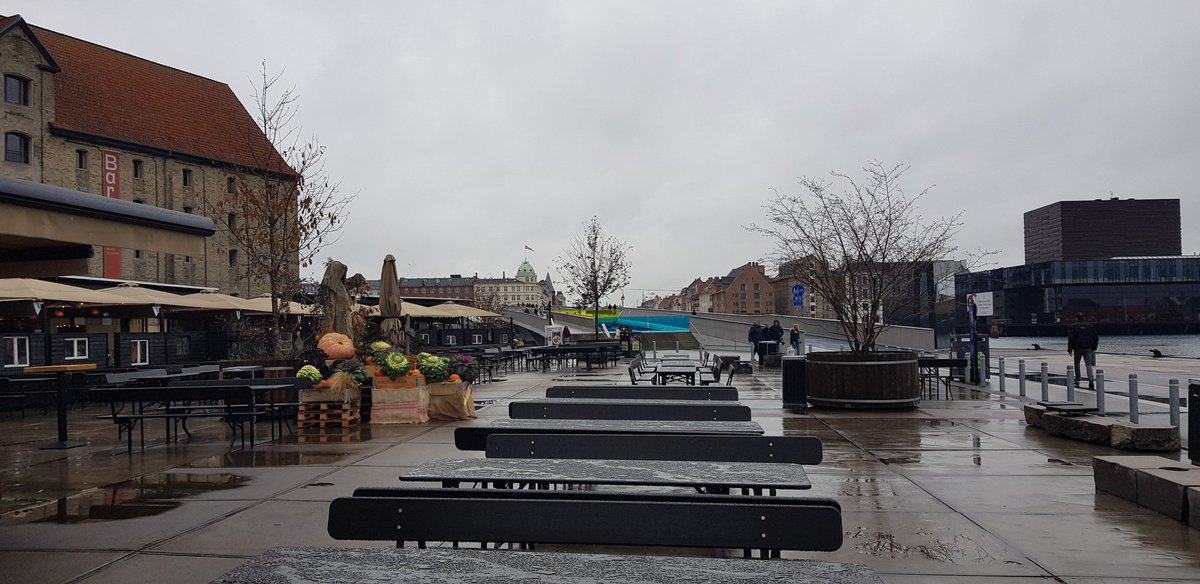
There are several ways to engage your participants in environmentally-friendly activities. Why not enjoy the sights of Copenhagen from the back of a bike or tie your shoelaces and run around the sights, maybe finish off with a refreshing and cooling swim in the clean harbour.
Another possibility is to visit some of the organic farms e.g. Krogerup Avlsgaard or Fuglebjerggard outside the city, offering teambuilding activities and culinary sessions with food and micro-brewed beer in organic settings.
Copenhagen works to continuously push for a more sustainable future and aim to inspire other destinations to embrace green solutions as a natural part of hospitality. And to do so the congress and meetings industry plays an instrumental role creating a sustainable city that works towards realising the UN’s 17 sustainable development goals.
The City of Copenhagen’s existing policies and strategies all contain ambitious goals in relation to the SDGs, addressing all three dimensions of sustainable development: social, economic and environmental including, as mentioned, becoming the world’s first carbon neutral capital by 2025, an ambitious goal, which is tracking on target.
Acknowledging the need for Destination Marketing Organisations (DMOs) to contribute to the realisation of the SDGs, Copenhagen’s official DMO, Wonderful Copenhagen is working closely together with a range of stakeholders to ensure a sustainable destination that is as much for locals as it is for tourists.
Wonderful Copenhagen has recently been certified as a Green Tourism Organisation and has vowed to make tourism a force for good. From hotels combatting food waste to venues running job school programmes for refugees, Copenhagen’s meetings industry is behind many different sustainable initiatives that all contribute to making Copenhagen a more sustainable destination. Wonderful Copenhagen is set to launch its new sustainability strategy for 2018-2021, which will outline the path going forward for both the destination and its many players as well as Wonderful Copenhagen itself.