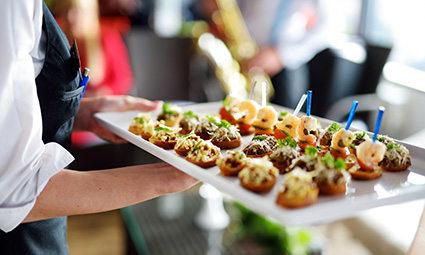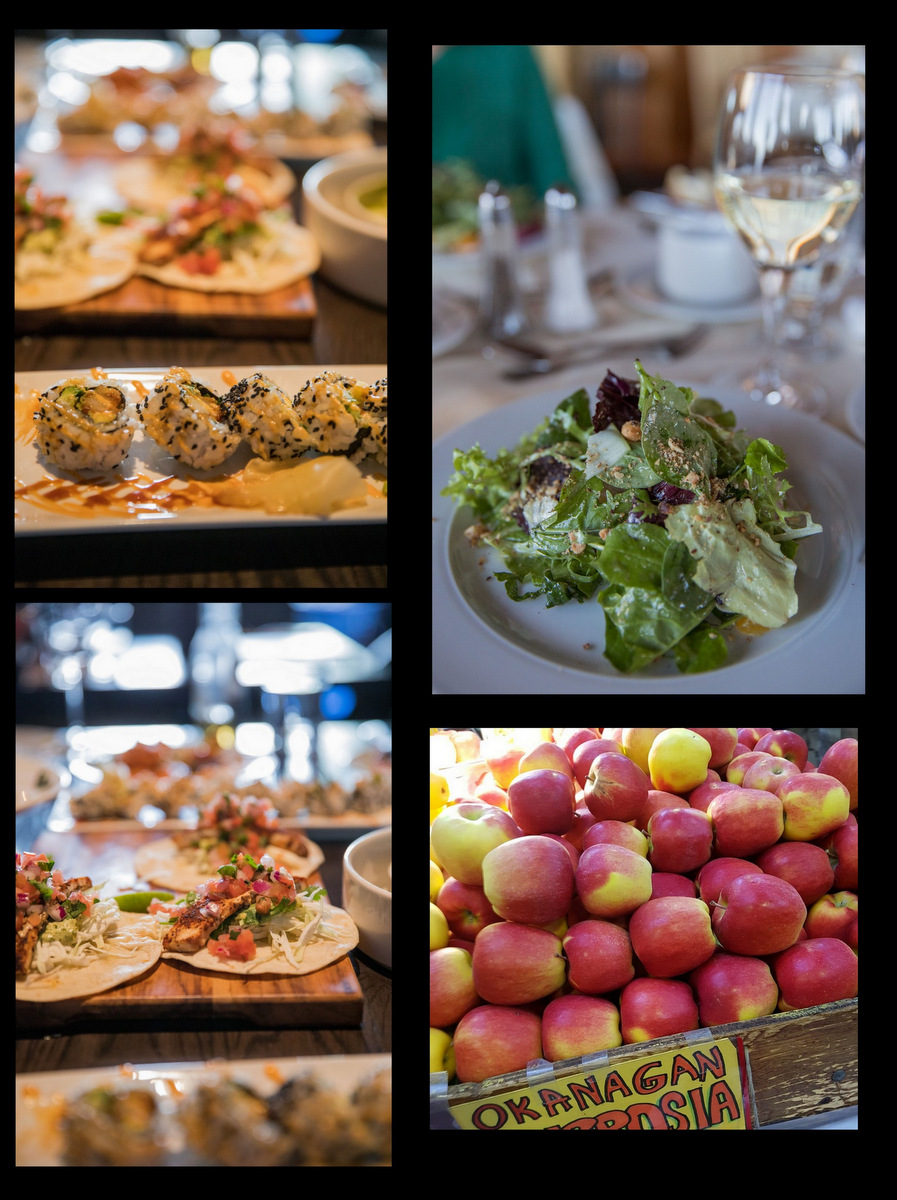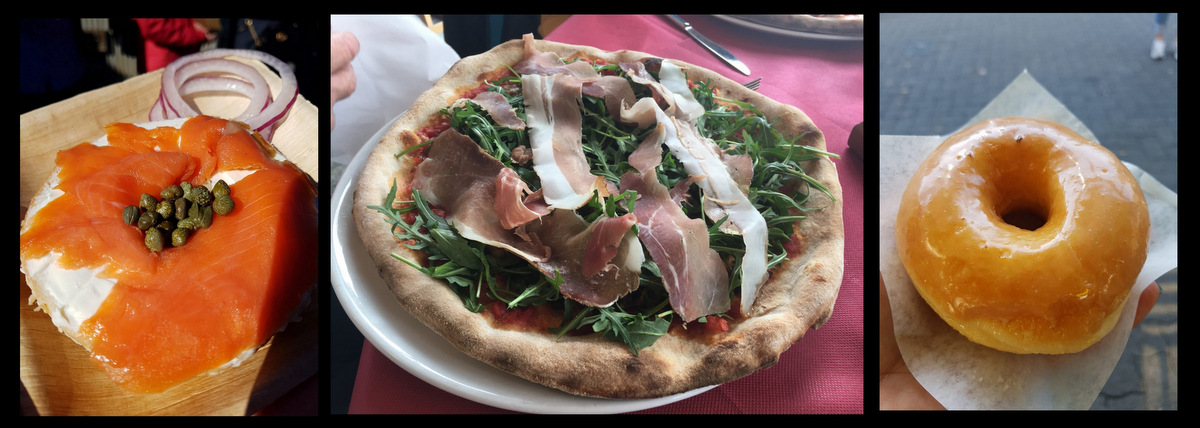


Now more than ever, event planners are requesting healthier food and drink options, driven by what their customers want. According to an IACC report on nutrition and wellness trends, more planners and attendees are asking hotels and convention centres for healthier food. They want the option of a healthy event experience.
Attendees are becoming increasingly health conscious with dietary requirements and choices requested on the increase. Vegetarian, vegan, paleo, gluten free, raw… the list of diets goes on. Eating healthy when at an event like parties, receptions, and conferences can be a challenging experience when you are trying to balance healthy foods with foods high in fat, salt, and sugar.
Selecting “heart healthy” foods is not always easy because you have limited control over the food preparation by event caterers. However more and more event caterer’s e.g. Compass Group are designing menus that give control back to event bookers and in turn delegates. Caterers and venues are recognising that gone are the days where they can serve potluck dinners and beige buffets. Although healthier options may cost more, attendees appreciate and remember events where the healthy choice was the most tempting choice.
Here are some thoughts on how event professionals can support the move for healthier food at events:
Brain food
Ever been to a conference or organised one, and got the 2pm slump, usually after eating a selection of heavy beige food? This is no good for delegate engagement and no good for the conference speaker on at that time. To combat this, caterers are creating menus that support attentiveness and performance.
Levy Leisure, a division of Compass Group, is championing the need for healthy food by supporting The Food for the Brain Foundation, which is an educational charity promoting the importance of nutrition in mental health and well-being. The accreditation ensures that menus support mental health, well-being, concentration and performance.
Items on the menu for breakfast include probiotic yoghurt with linseed, hemp, sunflower, pumpkin and chia seeds. Lunch guests can expect vibrant, colourful and healthy salads and dishes which are predominantly plant-based. Items on the lunch menu include chargrilled courgette, baby samphire, red chard and pecorino cheese; free-range chicken roasted with garlic, leeks and onions, served with sourdough bread and kimchi.
Meals should be balanced to support healthy blood sugar levels, meaning brain activity is maintained throughout the day.
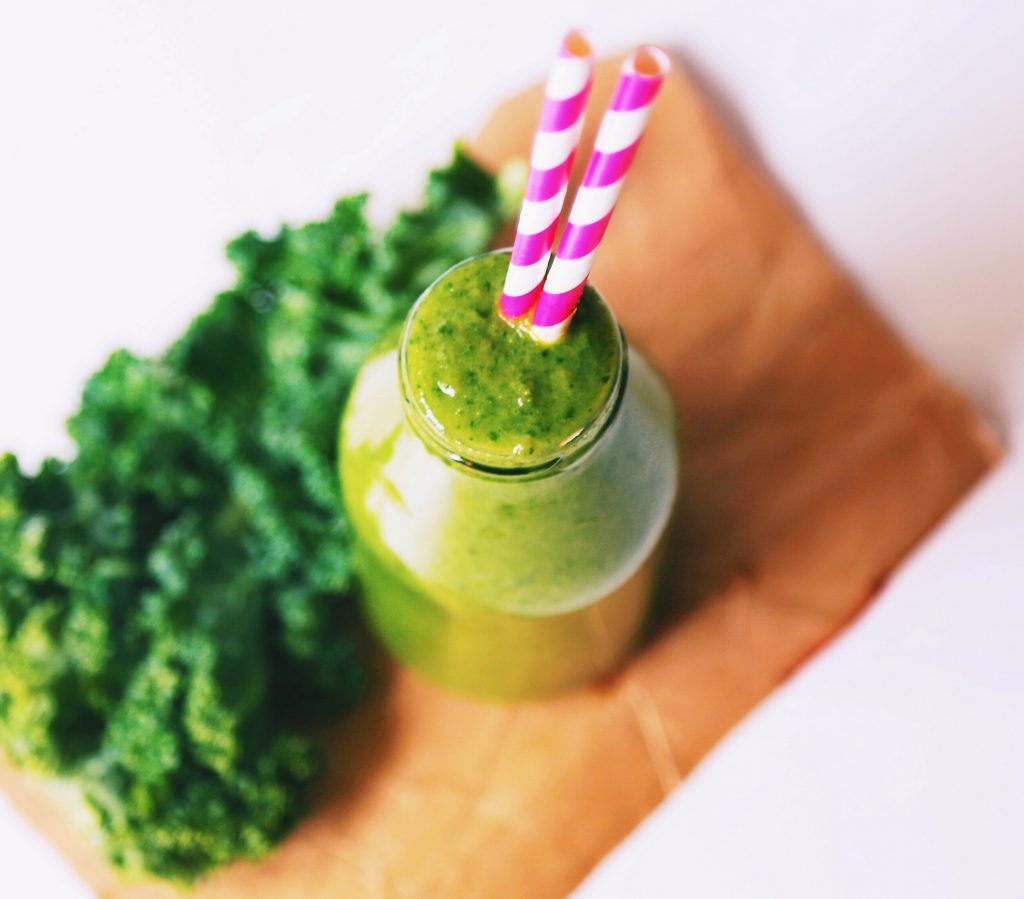
The rise of veganism
According to the Vegan Society the demand for meat-free food increased by 987% in 2017 and going vegan was one of the biggest food trends in 2018. Last year Veganism dominated the press, social media and has significantly impacted catering at events. Along with totally committed vegetarians and vegans, there is a growing movement toward being ‘flexitarian’. These people have a primarily plant based diet but are flexible about eating an occasional meat based dish. This adds another layer to consider when planning a menu with your event caterer.
More and more venue and event caterers are offering plant based menus, with this trend set to continue into 2019 and beyond. Venues and caterers that can add this option to their standard catering menus, at no extra charge, will surely have an edge over competitors.
All day grazing
There is a new trend to all day grazing, allowing delegates to eat throughout the day, when they want, rather than set break or lunchtimes. According to catering supplier Bunzl, 1 in 5 UK adults admit to choosing to snack all day instead of eating 3 separate meals. Grazers’ often choose smaller servings of ready-prepared food options, enabling them to have a balanced food intake throughout the day. Although snacks are traditionally seen as an unhealthy option, grazing can provide more energy, more stable blood sugar, better appetite control and even a more efficient metabolism — provided that the snack choices are good ones.
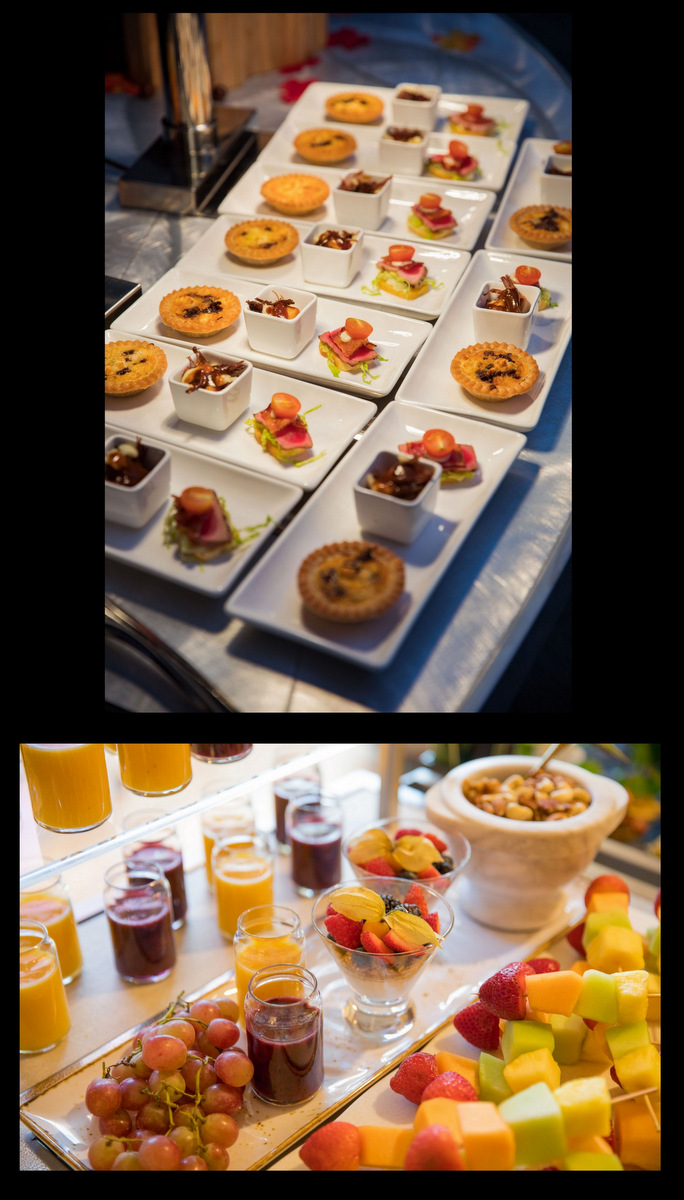
While this catering style might not suit your event, you could try setting up a fresh and dried fruit station in the main room that delegates can help themselves to throughout the day – a ‘healthy’ pick and mix if you will. Any food left over can be taken home in doggy bags to minimise wastage.
Designated driver?
Modern events should be sympathetic to every delegate and provide beverage options that are suitable for all. Some delegates may not drink alcohol at all or others may want to cut back on the amount of alcohol they are drinking at an award ceremony, private dinner or product launch.
Offering an alternative of non-alcoholic or low-alcohol drinks that still taste great is something venues and event caterers are offering more and more. Non-alcoholic beer tastes very similar to alcoholic beer but because low-alcohol beer tends to have fewer calories than alcoholic beer, choosing it over alcohol can reduce calorie intake as part of a healthy event.
Today more venues stock a growing range of non-alcoholic drinks and beers, which means it’s easier than ever for delegates to cut back their alcohol intake, whilst still enjoying the event.

Keep attendees hydrated
We all know we should be drinking a minimum of 2 litres of water a day but why? Well, hydration is good for the body and the brain. However it’s not good for the environment if water is being drunk out of single use plastic bottles. Event planners or venues could consider giving out branded event or venue water bottles for delegates to use throughout the event, minimising waste and prompting delegates to drink more.
Venues can place water stations throughout the venue so attendees can fill up. Make the stations different by providing water flavoured with cucumber, fruit, mint, or other herbs.
Stand, don’t sit
Sitting all day isn’t good for digestion. Come up with creative ways to get attendees off their backsides. Hold a post-lunch group stretch in the breakout room. Schedule walking conversations focused on specific topics for small groups of attendees. Give attendees the option of standing during lunchtime around poser or raised tables. Why not hand out pedometers to delegates to encourage them to take a walk during breaks and lunch time?
In summary, event caterers and venues that put healthier options first, will surely help to create memorable experiences that means customers will return time after time.
All 90 venues under the Lime Venue Portfolio brand ensure healthy options are on the menu as they are part of global caterer Compass Group, so customers can be assured no matter which venue they visit, within the portfolio, they will get the best possible healthy food experience.
For more information take a look at www.limevenueportfolio.com or contact enquiries@edgevenues.com or call 01780 484051 for help to find a venue.