Hilton is opening new hotels in London and Birmingham

The LXR Biltmore Mayfair is due to open in June 2019. It is the first in Europe from Hilton’s new brand LXR, the first hotel in this group was the Habtoor Palace in Dubai. The hotel is located on Grosvenor Square and will have 257 bedrooms and 51 suites. It was previously the Millennium Mayfair Hotel, but following the multi-million-pound refurbishment, it was decided to re-brand as the luxury LXR. For events, the hotel has a 500 sqm ballroom and various smaller meeting rooms for up to 100 attendees.

The Doubletree by Hilton Birmingham has an opening date of October 2019. This property was previously the Royal Angus Hotel in the Snow Hill area of the city. It will have 186 bedrooms and the size of the meeting space is yet to be confirmed. However, two extra floors and a rooftop terrace will be added.

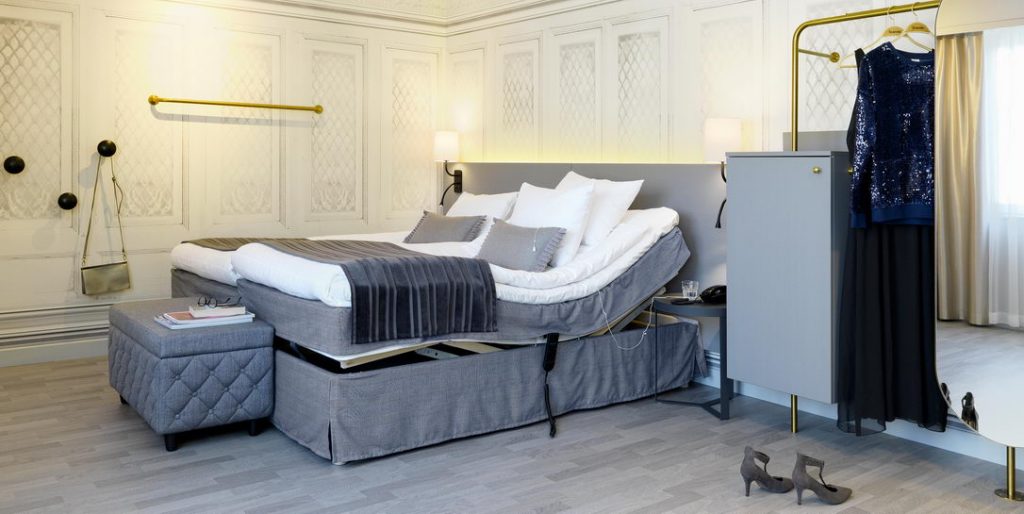
Hilton is introducing another new brand to London, with the Motto by Hilton London Marlebone, which is due to open in the summer of 2020. This property will have about 100 bedrooms and is located in the Old Marlebone Road. Motto Hotels will have ‘an urban vibe in prime global locations’ and will be small. The ‘micro-hotels’ will have multi-functional, rooms that can be customised (pictured above). The concept is aimed at friends and family groups wanting more than a hostel and guests can book multiple connecting rooms with wall beds, lofted beds and multi-functional furniture that can be put away when not required.

We take a look at Hilton’s newest hotels in Europe and further afield

Doubletree by Hilton La Torre Golf and Spa Resort

This hotel opened recently and is 20 minutes from Murcia Airport and an hour from Alicante. The ballroom is the largest meeting room, with capacity for 800 people for a dinner and there are four smaller meeting rooms which can be divided. The hotel has 133 bedrooms. It is situated beside a lake and golf course, with a spa, swimming pools and fitness facilities.

Grand Tirolia Hotel Kitzbuhel, Austria

The Grand Tirolia Hotel opened in December 2018 and is part of the Curio Collection by Hilton. The nearest airport is Saltzburg, which is a 90-minute transfer. The hotel has 81 bedrooms and 5 meeting rooms, the largest has capacity for 300 people in theatre-style. Located on a golf course, there are two terraces with views of the Tyrolean Alps and in winter, the lifts for Kitzbuhel ski area are about 4½ km away.

Conrad Washington DC

The Conrad Washington DC opened in February 2019 and is located downtown. There are 380 bedrooms and 8 meeting rooms. The largest event space is the Ballroom which has capacity for 850 people in theatre-style. There is also a rooftop bar which can be used as event space for a drinks reception of 200 people.

Waldorf Astoria – Dubai International Financial Centre

This hotel is due to open in August 2019. It is on the 18th – 55th floor of the Burj Daman, which also contains offices and apartments. The largest event space will be the ballroom which has capacity for 270 people for a banquet and there is a library with open kitchen which can be used for meetings.

New hotels due in 2020

Two more properties to look out for in Europe, both currently scheduled to open in September 2020 – the Hilton Paris Eiffel Tower and the Parliament Hotel Reykjavik, Curio Collection.

Which are the most expensive destinations to hold an event?

pound sign

The ECA International report on the cost of a business trip has just been published and London is the joint 10th most expensive city in the world and sixth most expensive in Europe. The report covers the average costs for hotel accommodation, meals, drinks, laundry, taxi journeys and daily essentials. The fall in the value of the pound has meant that London still remains attractive to international visitors, despite the uncertainty of Brexit.

CityAverage Price of a business trip per day     Average price of a 4* hotel per night
1Central London £444£251
2Edinburgh£320£167
3Manchester£282£142
4Glasgow£258£128
5Cardiff£254£117
6Belfast£253£123

Looking at international destinations, New York is the most expensive location in the world for business travel. Geneva tops the list of expensive cities in Europe, with Zurich, Basel and Bern close behind. Dublin is now more expensive than Edinburgh, Madrid and Berlin. Hong Kong is the most expensive location in Asia followed by Tokyo, Seoul and Singapore.

CityAverage price of a business trip per day
1Geneva£553
2Zurich£411
3Paris£477
4Reyjavik£476
5Basel£477
6Bern£444
6Central London£444
8Copenhagen£434
9Oslo£396
10Amsterdam£377

For the full report contact ECA International

Top Tips to boost meeting attendance

Meetings and conferences are vital to effective communication and a good experience is fundamental to your plans to connect both internally with your colleagues and externally with clients.

Any event that you hold will be a demonstration of how efficient your company is, and engagement is vital to driving attendance. We all know that events are not easy to plan or manage but in the competitive and time-poor environment that we work in it is essential to impress the participants.

So how do you achieve the desired outcome from your conference or meeting? Here are a few tips to help …

Research

If you’ve held this event before, make sure that you incorporate the feedback, both good and bad. That’s not only from attendees, but also the speakers and staff. They will all give you advice to improve the next. Do a SWOT analysis and check that the information you are providing is relevant and new so that attendees learn something that’s made it worthwhile leaving their desks.

Understand the audience

Who are you talking to? What have they achieved, what problems are they having and what do they want to get out of this event? What do they like and dislike?

This relates to the previous point about doing your homework, but you will also use the information to tailor the experience.

Get the audience involved

This isn’t easy when planning an event for a group of people. You can get the attendees involved before, during and afterwards by using tools such as surveys and polls. This is can valuable source of topic suggestions and will help with the agenda. At the event, ask a question to the audience and then discuss the answers to judge the feeling in the room.

Ask for help

Make the experience as easy as possible for the speakers who have agreed to help by giving their time and sharing their insights. Any pre-event surveys can highlight trends or subjects that they will cover in their presentations, which also makes sure that the audience gets the answers they want.
It might we worth finding an external expert on a particular topic who can add value. Or you might have someone who is a thought-leader within your organisation, who regularly publishes blogs, is active on social media and is highly regarded as a specialist in their field.

Planning

Preparation is essential, so share as much as you can with your team and also with the attendees beforehand. If anything changes then make sure that everyone knows immediately and has clear instructions about how to proceed. Onsite you can use the latest technology to deliver real-time notifications and dynamic alerts.

Keep everyone engaged

49% of people multitask by doing unrelated work during meetings and events. Make sure you keep everyone focused by delivering excellent content in an exciting way that really benefits the attendee. You want them to walk away knowing it was worth their while leaving the office to attend your event.

Feedback

Every meeting planner wants to collect insightful feedback so make sure attendees can deliver it in an easy, convenient way. The technology tools available now can provide you with quick and easy surveys, delivered electronically and these will allow attendees time to share their opinions, save you time and help plan the next event.

Follow up after the event and respond to contributors so everyone knows that their attendance was worthwhile and keep the engagement going afterwards. If you can create a sense of community then that will take you forwards to the next event.

We all know that meetings, conferences and events are a great contributor to successful communication, but they’re not easy to plan or manage. Hopefully, you can use these tips to improve engagement and build long-lasting relationships with attendees.

Accessibility – what you can expect from a Scandic Hotel

Staying away from home when you have accessibility needs is definitely challenging and not all hotels are able to offer the same standards when it comes to making spaces welcoming to everyone. However, Scandic Hotels has worked to make their properties accessible to people with disabilities. This is good business sense as people with disabilities are travelling more and no longer constitute a niche group. And since there are about 80 million people with some kind of disability in Europe alone, the market is huge.

Scandic is the leading hotel company in the Nordic countries with 57,000 rooms in more than 280 hotels. The group is a leader when it comes to accessibility and appointed an Accessibility Director, Magnus Berglund, who has been an ambassador for the company since 2003. They were the first group to develop an Accessibility Standard which was developed in cooperation with guests with special needs, employees and associations representing people with disabilities. It was created by carefully following people as they move from the parking lot and through Scandic’s hotels.

Guests enjoy solutions from vibrating alarm clocks/smoke detectors, safety info in Braille at reception, desks, peepholes and doorbells at wheelchair height and hearing loops to mobile lifts at some hotels. As a result, the Scandic Hamburg Emporio in Germany, for example, was able to host 300 athletes who use wheelchairs during the 2018 Wheelchair Basketball World Championships.

Today, the standard covers 159 points, 105 of which are mandatory at all hotels. New this year are Scandic’s “allergy rooms” with wood flooring rather than carpet, hypo-allergenic skincare products, bedding made from synthetic materials and special laundry and cleaning procedures. Scandic’s allergy standard is the next step, following the successful ‘Breakfast for All’ concept.

Information about accessibility is on the individual hotel website so it’s easy to see what facilities are available at each property.

Not so long ago, hotel rooms for guests with disabilities looked like hospital rooms, Scandic’s “Design for All” means that an accessible room is designed just as well as any other room, with smart solutions that are barely noticeable except to the people who need them. “Making hotels accessible to more people needn’t be expensive or compromise good design,” says Berglund.

The company regularly carries out accessibility training for its 18,000 staff, through practical exercises and online courses. As a result the company has won numerous awards in recent years. Scandic was recognized for “Best accommodation for disability access” at the World Responsible Tourism Awards 2015 and for having “one of the most innovative practices” in the Zero Project 2018.

“Some 70 percent of all disabilities are invisible, which we take into consideration when developing accessibility solutions at our hotels,” says Berglund. “Our goal is to create fantastic hotel experiences for everyone. What makes us most proud is when guests say that when they stay at Scandic, they’re treated as hotel guests, not people with special needs. We are constantly developing accessibility at our hotels since it’s such a complex issue. We never consider our work to be done.” he concludes.

Fun fact about accessibility at Scandic:

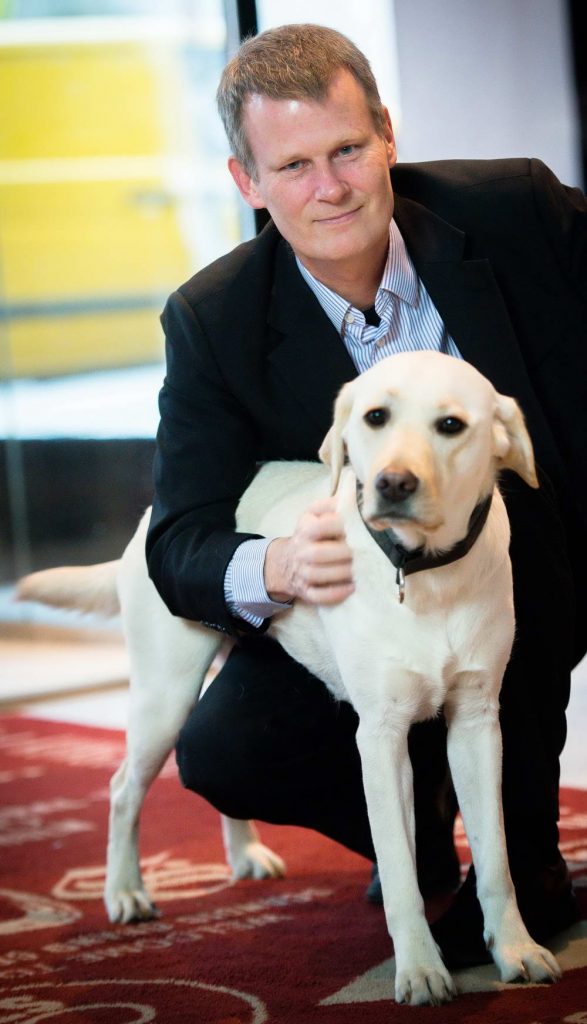
Four-legged friends are always welcome at Scandic and the hotel also has its own service dog, Dixi. Dixi is well-loved and very popular on Scandic’s social channels and on Instagram @dogatwork.

For more information about special needs at Scandic Hotels: https://www.scandichotels.com/specialneeds

Crisis Management

A ‘crisis’ is an incident which, because of its scale or impact, is beyond the scope of resolution by normal mechanism or decision making authority within acceptable time scales.

Ever since the volcano ash cloud crisis of 2010, which directly threatened the success of my first core professional conference organiser (PCO) event for our major European Association client, I have been fascinated with event crisis management and am responsible for creating a crisis management group within my agency PCO Bioscientifica, but also for each client event we manage.

As a professional conference organiser, I have experienced my fair share of crises in my 20 year career. Some crises, fortunately not many, were major incidents that, considering the definition above, threatened the success of the event. I term these the ‘great white sharks’ as they are very frightening, but they only actually kill six people a year. Others, which are more commonplace, have been less impactful and can be managed without major disruption however they can cause just as much pain in the short term. I term these the ‘mosquitoes’, much more common (killing over 650,000 people a year), we’ve all been bitten by them and they are terribly irritating. What all such incidents have in common though, is that they were unexpected and needed dedicated management by a team made up of the right people in the right place with the right information to ensure they could make the best decisions.

Sharks vs. Mosquitoes

Major incidents that threaten the success, or even the continuation of your event are, thankfully, very few and far between. An events manager may experience one or two in their career, they include the terrorist attack, the burning down of the venue, the ash cloud that cancels all flights, a major political situation in your host city, a demonstration that will make the national news.

Major incidents that threaten the success, or even the continuation of your event are, thankfully, very few and far between. An events manager may experience one or two in their career, they include the terrorist attack, the burning down of the venue, the ash cloud that cancels all flights, a major political situation in your host city, a demonstration that will make the national news.

More common place incidents that threaten the success of your event, are often overlooked and not considered a ‘crisis’. However, they should be. Such incidents can be just as dangerous, as damaging and cause the same pain to event managers as a major incident, certainly in the short term and you will experience these far more often. These common, more troublesome incidents include the speaker that doesn’t show, the aircon in the venue that is broken, the power cut, the caterer going bankrupt. They are the minor problems that, if you are not prepared for them, will be as difficult to manage, and as devastating as a major crisis – if not handled with precision and confidence.

It is of course important to be prepared for these ‘shark’ incidents, however they are unpredictable and infrequent, so how can you gain experience of managing such crises and build an appropriate plan? Ultimately a good crisis plan is built on the foundations of how your crisis team will approach the tasks involved in managing the crisis and its impact on your event. These foundations will be the same for a shark or mosquito and will have the ability to be scaled to deal with the type of incident in question. I categorise different types of crises into three types of response required:

  1. Be aware
  2. Be prepared
  3. Take action

Where do you start?

When we consider the priorities during a crisis the following list describes what is important:

  • Protect Human Life – is there a credible threat to human life. Are you onsite, has something happened?
  • How are you going to manage the crisis, who is going to be in that room, who are you going to call – Ghostbusters? I don’t think so.
  • Can you maintain business continuity today, tomorrow, next week?
  • What steps are you taking to protect the client’s reputation – if they continue to run the event, how will this look to delegate, members, sponsors, speakers?
  • Same question for the professional conference organiser’s reputation, will you be considered supportive and knowledgeable, do you have their trust, do you have the experience, who are they talking to?
  • When will things return to normal? What will normal look / feel like?

Crisis management is about being prepared, but not over preparing. It is not helpful to spend time walking through the scenario of every conceivable incident that could threaten an event. You cannot estimate how any given audience will react, nor can you anticipate your own reaction, or those of the suppliers on whom you will rely; the venue for example. A good crisis management plan will outline:

  • What is considered a crisis, and the different levels of severity of an incident;
  • What trigger will activate the group of people who will come together to make the decisions and manage the crisis;
  • Who will be in that group, where and how they will gather;
  • What responsibility each member of the group will have.

A good crisis management plan will be continuously updated and kept in multiple places to ensure it is accessible event if the computer systems are down, or you are travelling. I have a copy of mine on the local hard drive of my laptop and a printed copy in my work bag. The crisis team will annually be refreshed on the details of the plan and whilst we have a standard master plan for our PCO agency, we also create a condensed plan for the individual events which identifies the individuals from the client’s organisation that would also be involved in the crisis management plans. The agency plan would be activated first, and the client plan would cascade down from this.

The crisis team will be made up of the individuals who are able to step away from the business as usual and the operational responsibility for the event in question, they will also be those with the power to make decisions, including authorising additional expenditure. It is crucial that the crisis team can be mobilised quickly, which may not be possible for the onsite lead event manager to free up time to join an unplanned meeting. It’s equally as important that the tasks involved in managing a crisis are removed from the team on the ground trying to continue to deliver the event. In separating out the responsibilities of the events team and the crisis team, you will benefit from the dedication of the crisis team to the tasks at hand whilst being safe in the knowledge that the operational requirements of the event will not be neglected. This is important as once the situation returns to ‘normal’, the event can continue without further delay.

This article was written by Kate Sargent, Deputy Managing Director, Bioscientifica Ltd

Why choose an unusual venue for your event?

There are lots of good reasons to choose a different or unusual venue for your event. Somewhere that has the ‘wow’ factor or is popular on social media will boost attendance because people want to go there. We all know about museums, sporting venues, castles etc, but now it’s all about what’s new. It’s not always easy to find a desirable venue, but look at Instagram and check which have created a great brand.

Of course, you need to follow the normal rules and consider the overall capacity, whether the space will work, access for production and caterers etc as well as the objectives and finding somewhere to match your brand. But if you’ve got the creative juices going then it’s time to think outside the box and find a venue to match your message.

Create an amazing first impression

This will start with the event invitation, people will want to attend and be part of your experience. Don’t only think about the venue, but what about the entrance and is there outside space? Build the excitement before people arrive.

Hire a bar or restaurant

There are new places launching all the time, some have private dining and some can be hired privately. Rooftops are really popular, so how about the B&H Garden Room on a rooftop in Leicester Square which has great views. Or Ours in South Kensington and Sushi Samba both have private dining rooms for small groups and are places that people want to be seen.

Hotels

The ME London can now privatise the Atrium area on their 1st floor for events and Zela is a new restaurant on the ground floor. The Curtain in Shoreditch can privatise their Lido Deck restaurant at some times of the year.

Cafés

The café culture has exploded in recent years and these destination venues are particularly good for a breakfast or lunch event. Take a look at
Feya and Butterscotch as well as the Elan Café, which has flower walls and LED lighting. Just one thing to watch for is that not all cafés are licensed so you may not be able to serve alcohol.

Blank canvass

Think about a warehouse, car park, ice rink, church and farm buildings as these venues can offer a large space to create the mood you wish. The ambiance is important, but also having flexibility to do what you want.

The warning signs

There is a risk if you work with a venue whose normal business is not events. You’ll need to keep on top of the communication, check their insurance, contracts and KPIs carefully to make sure the venue can deliver as agreed. If the venue is open to the public, there may be restrictions when you can have access and when you need to return it to them.

Networking at events

The idea of throwing yourself into a room of people you don’t know is a daunting prospect for most people, but networking is one of the best things that you can do to learn about what’s happening in the industry and develop your career.

It’s easier to do to do business with people you know or by recommendation and industry events, forums, educationals and exhibitions are a good way to make connections. But it’s not just about face-to-face meetings, there are networking opportunities online and social media sites give everyone access to a global community.

Practice

It can be hard to start a conversation with a stranger, so start in the office, at the gym or when you’re out and about by talking to people you don’t know. Just begin with small talk and see where the conversation goes.

Prepare

Spend a little time thinking about what you want to achieve from the networking event and have a few questions ready to ask new people. Also think about what you want to tell them about yourself, as it’s a two-way process. What news can you give them or place business or share contacts that will help.

Relax

Try not to worry about what to say next or what the other person is thinking. Focus on the person you’re talking to. Smile and look as open and approachable as you can, if you look friendly then someone will come and have a conversation with you.

Focus

Give the person you are talking to your complete attention. It’s off-putting if you’re looking for someone new to talk to. Build a rapport by asking questions and listening carefully. When the conversation has finished then move around the room.

Pick your events

There are so many opportunities but going to everything is time-consuming and exhausting. It’s better to be strategic and plan which events are most likely to be worthwhile.

Find a friend

If you’re going to an event alone, try and make at least one connection as this will make everything much easier. A lot of people in the room will be feeling the same way as you and don’t know anyone else either, so look for other people on their own and see how you can make them feel more comfortable.

Or, if you can, take a colleague this will make you comfortable until you gain confidence and find some new contacts of your own.

Keep in touch

Maintaining a relationship with a new contact is crucial to networking. Follow up with an email, connect on LinkedIn or another social media platform. Share ongoing news from time to time and find out what other events they are going to attend and catch up with them again there

We’ve all walked in to a room where everyone seems to know each other and are in groups, but remember that those confident people were in your shoes once. Even the ones who have been attending networking events for years still may not really enjoy it, but can hide it through years of practice and experience.

Cutting the use of plastic at Events

Plastic bottles

Reducing our use of plastic, particularly single use plastic, is a hot topic at the moment and we all know that there is a lot of waste created by events and exhibitions. Recycling has increased, but it’s probably best to stop the problem at the source. So, we’ve taken a look at a few things that can be changed to reduce our use of plastic at our events.

  • Plan from Day One

Talk to all the stakeholders and clients to see what is important to them. Do they have a sustainability policy? If so this should be shared at the earliest possible stage of planning.

Think about what will be thrown away at the end of the event and try to find an alternative from the start.

  • Venue finding

Ask the prospective venues questions about their use of plastic items and recycling policy and find solutions that are easy to implement. If you want a plastic-free event, then the best way to start is to find a venue and destination that matches your requirements. That’s far easier than introducing a new way of working to a venue that’s not set up for it.

name badge
  • Name badges

There are lots of alternatives to the plastic badge holder. The simple solution is just to clip the badge straight on to the lanyard and it’s easier to reuse the lanyards at another event afterwards.

  • Ban plastic water bottles and single use coffee cups

Ask your venue to provide alternatives. If there’s a goodie bag, how about putting a keep cup or reusable bottle in there for the event attendees to use. Lots of people have their own already and are happy to use them. They also carry water bottles, so water dispensers can be used, with ice and fruit, instead of bottles of water.

  • Straws

Ir’s now quite unusual to be given a drink with a plastic straw. Lots of venues are now using paper straws, but consider if you need straws at all.

  • Signage

Can the signage be re-used, or if not can it be recycled? Try not to laminate any paper, as this can’t be recycled.

  • Conference bags and incentive items

Make sure they are environmentally friendly and of value or they will be discarded during the event.

  • Recycling

The recycling bins need to be obvious and have clear labels of what can be recycled in which bin.

This week Excel has announced a ‘No Plastic’ campaign and all plastic straws have been removed by retailers in the central boulevard. They also offer a discount to customers who have a reusable cup. Permanent water fountains have been installed to provide free chilled water to visitors, exhibitors and organisers who bring a reusable container. They’ve also introduced new waste bins to enable visitors to sort their rubbish more easily.

Scandic Hotels decided to stop using plastic straws and cocktail sticks in all of its hotels and are working to remove all single-use disposable items made of plastic. They were using approximately 1.3 million straws and 120 000 cocktail sticks every year. The plastic lids for take away coffee mugs have been replaced with biodegradable ones. This group has provided toiletries in large dispensers for many years.

IHG has already removed plastic straws from around 1,000 hotels in Europe, Middle East and Africa and they’ve announced that plastic straws will be removed from all hotels by the end of 2019, which is more than 5,400 hotels in nearly 100 countries. They are also are introducing bulk-size bathroom amenities to several hotel brands in the Americas, as part of broader efforts to reduce waste.

Good profitability for hotels in UK and Europe during 2018

UK

There was a second consecutive year of growth from hotels in the UK, which showed a 6.7% increase in profit per room. This resulted in a 1.6% year on year gross operating profit increase, with rooms, food and beverage increasing in profitability although Leisure, Conference and Banqueting showed a decline.

Hotels’ overheads were up by 3.3% and one of the impacts was the cost of utilities and labour. The UK hotel market is seen to be strong, despite Brexit.

Growth in London was slower with hotels recording a 3.6% profit increase per room in 2018. In the first quarter of the year there was a decline, but the market improved from May onwards.

Europe

December was a poor month for hotels in Europe, however, overall operating profit per room in 2018 was up by 9.2%. This was the second consecutive year of gains.

The best performing destination was Vienna which saw a 24.2% increase in revenue per room, compared with 2017. Paris achieved good profits for the first 11 months of the year, but the ‘yellow vests’ protests meant that visitors in December were down as many businesses and tourist attractions were closed.

For more information about hotel profitability visit www.hotstats.com