Positive ROI can be achieved once you know what the meeting objectives are and how they can be met. So, when you’re planning an event you need to understand why it is being held. All events should have a measurable aspect, otherwise what is the point of holding them?
Whether the objectives of the event are to increase sales, spread knowledge, improve productivity, promote brand awareness, reward clients, motivate staff, promote best practice; there is still a goal.
Here are some points to think about when planning, to make sure you get the best results:
Identify key stakeholders and what they want
Delegates
The budget holder
The venue
Suppliers
You, the organiser
Sponsors, speakers, content providers
Questions to ask in your organisation
What should be achieved from the event?
How is the success going to be measured?
What is the profile of the attendees?
What is the delegates’ current understanding, knowledge and awareness of the issues to be discussed at the meeting?
Can you conduct pre-event research to verify this?
Can you conduct post-event research to measure learning, application and business impact following the meeting or event?
Who needs to know how effective the meeting has been?
Who is going to produce the meeting report?
What is needed from the venue/location?
Questions to ask the venue
Would the venue include any extras to improve the experience?
Can the venue add any value to support the objectives?
Listen to expert advice
You don’t have to take it, but it could be useful. So, who can you talk to:
Venue Finding Agencies
Event Management Companies
Production Companies
Destination Management Companies
Venues
Research Companies can help with questionnaire design, response analysis and report writing. Why they will add value to your event:
This is their core business
They are professionals in their own field
Their experience should save you time and money
Their expertise will provide a professional and smoothly run event
The success of an event lies in the importance of not losing sight of the big picture – which is to achieve the organisation’s strategic objectives while reducing costs and controlling spending. Always follow the event with a questionnaire and then you’ll be able to judge whether the messages were communicated successfully. If you can measure activity or actions in the workplace as a result that will be a clear indicator that the event was a success.
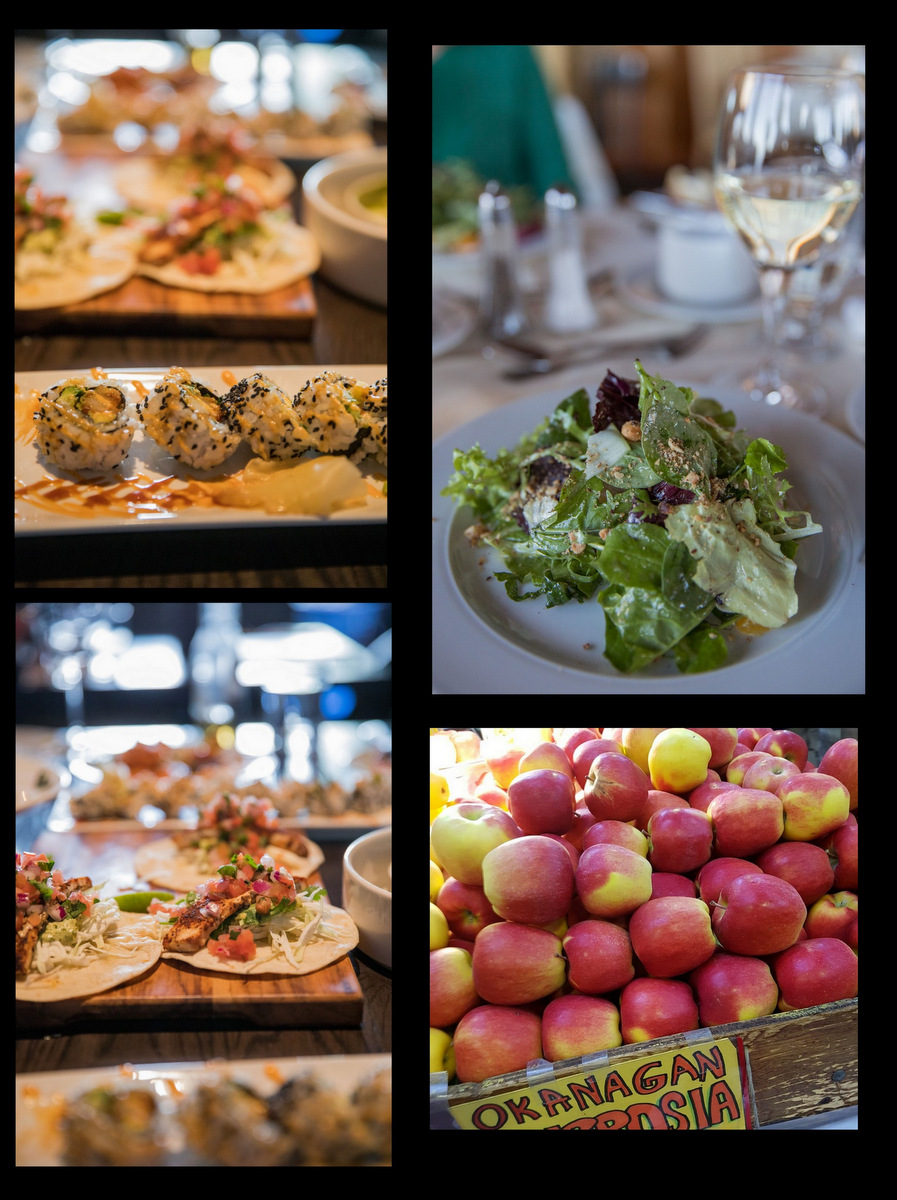
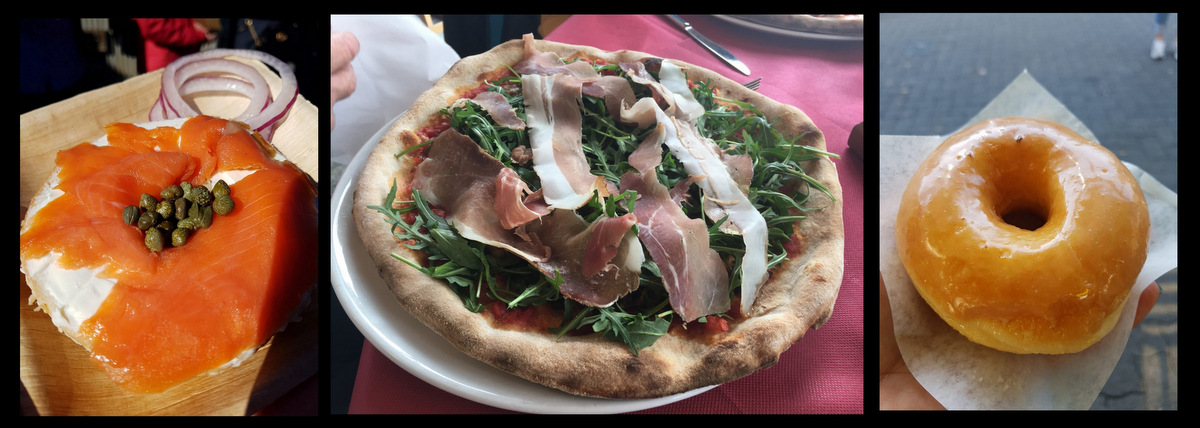
Now more than ever, event planners are requesting healthier food and drink options, driven by what their customers want. According to an IACC report on nutrition and wellness trends, more planners and attendees are asking hotels and convention centres for healthier food. They want the option of a healthy event experience.
Attendees are becoming increasingly health conscious with dietary requirements and choices requested on the increase. Vegetarian, vegan, paleo, gluten free, raw… the list of diets goes on. Eating healthy when at an event like parties, receptions, and conferences can be a challenging experience when you are trying to balance healthy foods with foods high in fat, salt, and sugar.
Selecting “heart healthy” foods is not always easy because you have limited control over the food preparation by event caterers. However more and more event caterer’s e.g. Compass Group are designing menus that give control back to event bookers and in turn delegates. Caterers and venues are recognising that gone are the days where they can serve potluck dinners and beige buffets. Although healthier options may cost more, attendees appreciate and remember events where the healthy choice was the most tempting choice.
Here are some thoughts on how event professionals can support the move for healthier food at events:
Brain food
Ever been to a conference or organised one, and got the 2pm slump, usually after eating a selection of heavy beige food? This is no good for delegate engagement and no good for the conference speaker on at that time. To combat this, caterers are creating menus that support attentiveness and performance.
Levy Leisure, a division of Compass Group, is championing the need for healthy food by supporting The Food for the Brain Foundation, which is an educational charity promoting the importance of nutrition in mental health and well-being. The accreditation ensures that menus support mental health, well-being, concentration and performance.
Items on the menu for breakfast include probiotic yoghurt with linseed, hemp, sunflower, pumpkin and chia seeds. Lunch guests can expect vibrant, colourful and healthy salads and dishes which are predominantly plant-based. Items on the lunch menu include chargrilled courgette, baby samphire, red chard and pecorino cheese; free-range chicken roasted with garlic, leeks and onions, served with sourdough bread and kimchi.
Meals should be balanced to support healthy blood sugar levels, meaning brain activity is maintained throughout the day.
The rise of veganism
According to the Vegan Society the demand for meat-free food increased by 987% in 2017 and going vegan was one of the biggest food trends in 2018. Last year Veganism dominated the press, social media and has significantly impacted catering at events. Along with totally committed vegetarians and vegans, there is a growing movement toward being ‘flexitarian’. These people have a primarily plant based diet but are flexible about eating an occasional meat based dish. This adds another layer to consider when planning a menu with your event caterer.
More and more venue and event caterers are offering plant based menus, with this trend set to continue into 2019 and beyond. Venues and caterers that can add this option to their standard catering menus, at no extra charge, will surely have an edge over competitors.
All day grazing
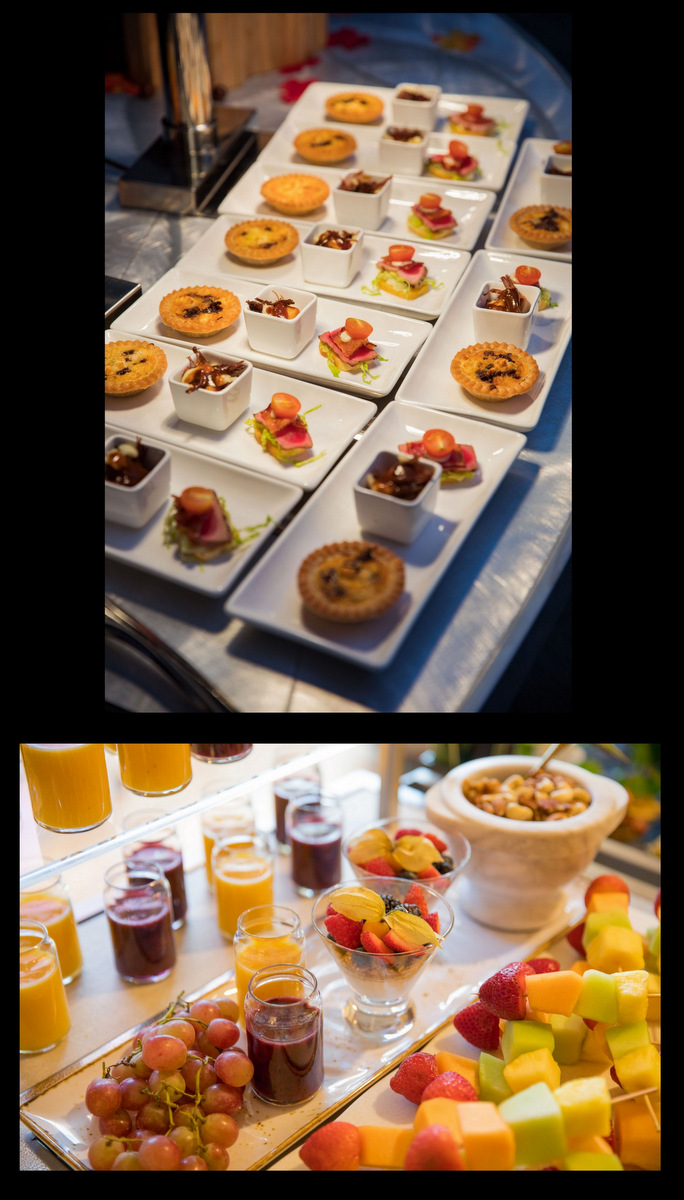
There is a new trend to all day grazing, allowing delegates to eat throughout the day, when they want, rather than set break or lunchtimes. According to catering supplier Bunzl, 1 in 5 UK adults admit to choosing to snack all day instead of eating 3 separate meals. Grazers’ often choose smaller servings of ready-prepared food options, enabling them to have a balanced food intake throughout the day. Although snacks are traditionally seen as an unhealthy option, grazing can provide more energy, more stable blood sugar, better appetite control and even a more efficient metabolism — provided that the snack choices are good ones.
While this catering style might not suit your event, you could try setting up a fresh and dried fruit station in the main room that delegates can help themselves to throughout the day – a ‘healthy’ pick and mix if you will. Any food left over can be taken home in doggy bags to minimise wastage.
Designated driver?
Modern events should be sympathetic to every delegate and provide beverage options that are suitable for all. Some delegates may not drink alcohol at all or others may want to cut back on the amount of alcohol they are drinking at an award ceremony, private dinner or product launch. Offering an alternative of non-alcoholic or low-alcohol drinks that still taste great is something venues and event caterers are offering more and more. Non-alcoholic beer tastes very similar to alcoholic beer but because low-alcohol beer tends to have fewer calories than alcoholic beer, choosing it over alcohol can reduce calorie intake as part of a healthy event. Today more venues stock a growing range of non-alcoholic drinks and beers, which means it’s easier than ever for delegates to cut back their alcohol intake, whilst still enjoying the event.
Keep attendees hydrated
We all know we should be drinking a minimum of 2 litres of water a day but why? Well, hydration is good for the body and the brain. However it’s not good for the environment if water is being drunk out of single use plastic bottles. Event planners or venues could consider giving out branded event or venue water bottles for delegates to use throughout the event, minimising waste and prompting delegates to drink more.
Venues can place water stations throughout the venue so attendees can fill up. Make the stations different by providing water flavoured with cucumber, fruit, mint, or other herbs.
Stand, don’t sit
Sitting all day isn’t good for digestion. Come up with creative ways to get attendees off their backsides. Hold a post-lunch group stretch in the breakout room. Schedule walking conversations focused on specific topics for small groups of attendees. Give attendees the option of standing during lunchtime around poser or raised tables. Why not hand out pedometers to delegates to encourage them to take a walk during breaks and lunch time? In summary, event caterers and venues that put healthier options first, will surely help to create memorable experiences that means customers will return time after time.
All 90 venues under the Lime Venue Portfolio brand ensure healthy options are on the menu as they are part of global caterer Compass Group, so customers can be assured no matter which venue they visit, within the portfolio, they will get the best possible healthy food experience.
Katharine Jordan, Director of Marketing, Trinity Event Solutions
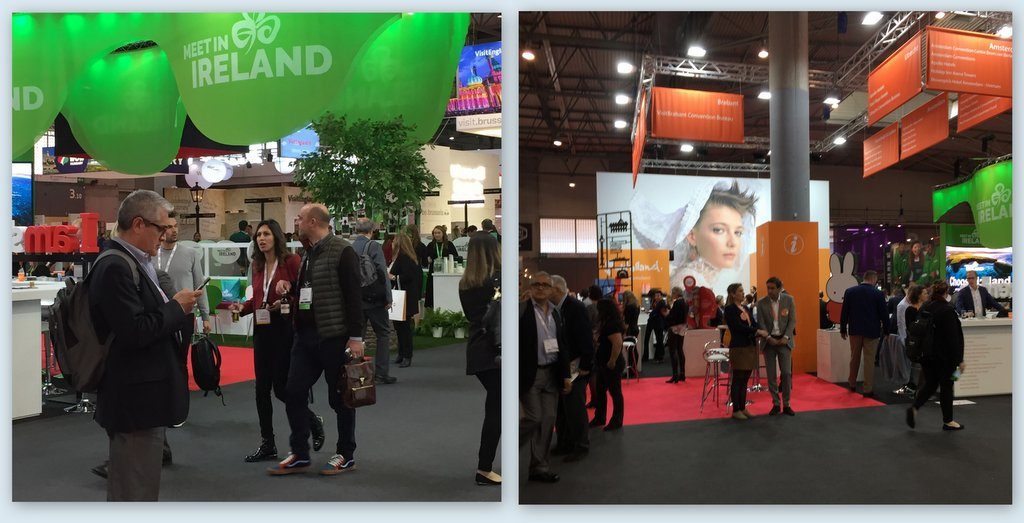
Over the years, I’ve been to many exhibitions, forums, workshops, networking events and educational trips and now I’m quite selective about the ones that I attend. It’s important to use my time well and I need to make sure that my clients will benefit from the places I visit and people that I meet.
Last year, I went to and M&I Forum in Sorrento, IMEX America and The Meetings Show in London. I attend a different event every year to get a wide view of the conference industry, make new connections, catch up with old contacts and keep in touch with what’s going on.
Industry Forums
There are several organisers of forums and I feel that these events give us three main benefits:
• One-to-one meetings with a selection of hotels and venues who really want to do business with you. There’s time to talk about my clients’ events and how they will match the venues. • Introduction to a destination, to see how it can work for your clients. You’ll experience a hotel, offsite dining options and activities in the area, so by the end you’ll understand what that destination can offer, and the logistics involved. • Networking opportunities, with venues, agents and corporate organisers. It’s a great way of learning what’s going on in the industry, sharing experiences and benefiting from other people’s knowledge.
You’ll might have some free time during the event and be able to visit another venue or just explore the area and get a personal perspective of the destination.
Exhibitions
IMEX in Frankfurt, IBTM in Barcelona, IMEX in Las Vegas, The Meetings Show in London and many more … there are plenty to choose from.
I hadn’t been to IMEX America for years and went specifically to talk to North American venues for a client who regularly holds events there. I attend to the European shows for European destinations and The Meetings Show for the UK venues, but usually only go to one every couple of years.
The exhibitions are great to meet everyone in one place, although there is very little time to explore the destination whilst you’re there. You’re committed to pre-booked appointments and it’s worth keeping some time free to walk the show, see what’s new, catch up with old contacts and attend educational sessions. IMEX is well organized and the appointment booking system is flexible, so that if you get a last-minute brief it’s possible to change your diary to suit.
What I hate
• Wasting time, but I think that applies to all of us. I don’t want to leave home in the early hours, to catch a plane which arrives at the destination at 10am for an event that starts in the evening. If that’s necessary because of the flight times, then I arrange site visits myself, during the day at competitors’ venues, which is probably not what the host venue wants. • A packed diary of appointments at an exhibition. I’ve been allocated meetings at times before I arrive at the event and with exhibitors of no interest. How is that of benefit to either of us? A couple of breaks during the day are essential to eat and collect your thoughts before the next session.
Knowledge is key to us all and when I attend an industry event I always learn something unexpected. The forums and exhibitions are constantly evolving and for me, these are about keeping in touch with what’s going on, finding out about new venues and experiencing something different.
AccorHotels has 35 brands that range from luxury to economy, offering a ‘full suite’ of choice when it comes to hospitality and conference and events venues offering a wide selection of properties to accommodate customers of all budgets.
Within the portfolio there are brands that will meet the needs of big budget events, such as Raffles and Sofitel, to the more modest budget, with ibis allowing for a vibrant and carefree environment to host functions.
Raffles
True luxury is not just about what you do, it’s about how you feel Guests staying at any of the 12 Raffles properties worldwide will experience illustrious history and some of the most prestigious hotel addresses worldwide. In 1887, Raffles Singapore set the standard for luxury hospitality, introducing the world to private butlers, the Singapore Sling and its enduring, legendary service. Today, Raffles continues this tradition in leading cities and lavish resort locales, enchanting guests with meaningful experiences and service that is both gracious and intuitive. Each Raffles property, be it Paris, Istanbul, Warsaw, Jakarta or the Seychelles, serves as a venerated oasis where delegates arrive as guests, leave as friends and return as family.
Sofitel – Life is Magnifique
Sofitel is an ambassador of modern French style, culture and art-de-vivre around the world. Established in 1964, Sofitel is the first international luxury hotel brand to originate from France with over 120 remarkable hotels in the world’s most sought after destinations. Sofitel exudes a refined and understated sense of modern luxury, always blending a touch of French decadence with the very best of the locale. The Sofitel collection includes notable hotels as Sofitel Paris Le Faubourg, Sofitel London St James, Sofitel Munich Bayerpost, Sofitel Rio de Janeiro Ipanema, Sofitel Washington DC Lafayette Square, Sofitel Sydney Darling Harbour and Sofitel Bali Nusa Dua Beach Resort.
Fairmont
Turning moments into memories for our guests Fairmont’s landmark hotels with unrivalled presence, authentic experiences and unforgettable moments have attracted visitors to its destinations since 1907. The Plaza in New York City, The Savoy in London, Fairmont San Francisco, Fairmont Banff Springs and Fairmont Peace Hotel in Shanghai are but a few of these iconic luxury hotels, forever linked to the special places where they reside. Famous for its engaging service, grand public spaces, locally inspired cuisine and celebrated bars and lounges, Fairmont promises a special brand of thoughtful luxury that will be remembered long after any visit. With a worldwide portfolio of more than 75 hotels, Fairmont also takes great pride in its deep community roots and leadership in sustainability.
Pullman – Our World is Your Playground
Pullman delivers an experience that is upscale, upbeat and perfectly in tempo with today’s global trends. Against the backdrop of everyday fast paced life, Pullman aims to offer the very best hospitality experience to guests, whether they are leisure or corporate travelers, enabling them to seamlessly explore the locale. Pullman is where the new nomads find inspiration and make connections. Retaining the values of exploration, comfort and dependability that drove it to become a pioneering travel brand over 150 years ago, Pullman today features more than 120 worldwide properties including Pullman Paris Tour Eiffel, Pullman Park Lane Hong Kong, Pullman Shanghai South, Pullman London St Pancras and Pullman Sao Paulo Vila Olimpia.
Novotel – Modern easy living, full service
Providing a multi-service offer for both business and leisure guests Novotel boasts of spacious, modular rooms, 24/7 catering offers with balanced meals, meeting rooms, attentive and proactive staff, kid areas, a multi-purpose lobby and fitness centers. With over 500 hotels and resorts in 59 countries, Novotel properties are ideally located in the heart of major international cities, business districts and tourist destinations.
Mercure – In harmony with people and places
Mercure is the only midscale hotel brand that combines the strength of an international network with a strong quality commitment and the warm experience of hotels inspired by their local community. Mercure hotels are managed by enthusiastic hoteliers and welcome business and leisure travellers across the world. Present in 63 countries, Mercure has over 790 properties located in city centers such as Mercure London Bridge. Ideal for corporate travellers in London, this property is also the perfect venue for meetings and events offering four flexible meeting rooms for up to 60 people with AV equipment and a dedicated host.
ibis – Well-being at the best price
ibis innovates constantly to offer its guests modernity, comfort and availability. It created the revolutionary bedding concept Sweet BedTM by ibis; welcoming, designer common areas and the modern food and beverage offer, ibis kitchen. It also cultivates the spirit of service that drives each of its employees. Ibis is recognised across the world for its quality, reliability and commitment to the environment. Created in 1974, ibis is now the European leader in economy hotels and the fourth hotel chain in its category worldwide with over 1,150 hotels and 147,000 rooms in 67 countries.
by Paul Kennedy MBE, Director and Owner, Kennedy Integrated Solutions
When I was asked to write about this subject with its long title it initially felt like that old school task of writing about the history of the world in one short essay. Well, now like then, I have decided the topic is too vast, too diverse and too subjective to try to cover a large range of topics so I am just going to focus on a small number. I am NOT going to talk about Brexit because like everyone else I don’t have the answers; I am NOT going to talk about Trump despite having a keen sense of humour and I am not going to claim that what I say identifies the challenges and achievements which are the most important as the criteria to judge which are, are simply too complex.
As I look back and peer forward …
… the industry I joined almost thirty years ago feels very different indeed. The first achievement I think worthy of note might be viewed as an academic one and this is how the meetings and events industry in all its guises and definitions has gained much wider political and policy making recognition.
At a macro perspective there is now a methodology which can measure the gross economic impact of our industry at a national level and this can indicate the contribution to GDP, employment levels and the generation of taxation revenues. Who would have thought that in the UK there would ever be a cross party all parliamentary group which acts as a voice for the work that our industry colleagues contribute to the wider economy? This economic value is currently being explored and championed further by the discussions around the subject of the knowledge economy and how the world of meetings and events can and arguably should be aligned in the quest to attract events to a destination.
Such strategic thought of say trying to attract meetings in subjects and industry sectors which are relevant to local economies, their talent pool and academic and research agendas is now to many an obvious thing to do. The Iceberg initiative founded and championed by that clever man James Latham is an example of real joined up thinking about how the destination supply side of our industry can think more strategically about the type of business it could and arguably should try to acquire.
The second area of my ramblings …
… once again focuses on the supply side and its explosion at a global level. Almost every day I read about a new meetings hotel being opened or planned; there are as I write something in the region of 40 new convention and event centres being planned, expanded or opened in Europe alone (Blackpool, Aberdeen, Gateshead, Newport in the UK to name just four) and the opening up of the myriad of new air routes many relatively low cost, presents the meeting, event or incentive planner with an incredibly increase in choice.
This destination competitive landscape will I believe continue to grow rapidly-there are it is reported 5000 towns and cities in Europe alone and the thirst for something new and different among meeting planners from all sectors would suggest that venues and hotels and the cities and region in which they are based will need to keep spending their marketing budgets as competition increase well above current levels.
My personal view is that digital marketing and face to face business development activity will become ever more dominate and that traditional trade press will become increasingly marginalised in the battle to acquire inbound meetings business .
But how have meetings changed?
This alone is one of those topics which spurn many books and much commentary. The transition for meeting planners from a more traditional focus on meeting logistics to meeting content is now well established across all sectors.
The discussions around meeting design, meetings architecture (pioneered by Maarten Van Este) and the ROI of meetings (championed in Europe by Elling Hamso) for example have really aided the debate around the value which meetings and events bring to organisation, and continue to drive the evolution of content and ideally the increase in delegate satisfaction and experience. If any organiser is failing to embrace issues such as these then perhaps as planners they will personally become less valuable in time.
Technological development
I guess there would be howls of derision, not least from Jacqui Kavanagh, if I did not mention technological development. Well although technological developments impact on all elements of our business and many elements of consumer life the old arguments that technology would lead to a dramatic reduction in meetings now surely has been consigned to the waste basket (it seems modern offices no longer have a waste bin for each desk!)
There is little doubt that technology has massively widened how we can plan and deliver meetings and research suggests that despite virtual conferencing increasing still further and replacing some small scale business and other meetings, the underlying trend for meetings continues to rise as economies grow and national boundaries open up.
There is strong evidence that in some sectors the number of delegates at mid to large events has and will continue to decline; in the world of international associations the challenge about how to attract younger generations into membership and then to attend meetings is of growing concern; intuitively it seems to me that this challenge must be associated with how today we all acquire, access and process information and for some will greatly influence how they choose to be part of a community or association.
I have selected just a small number of topics which have and will continue impact my career as a meeting and event planner and supplier. There are many more subjects I could of course have selected but none of the above or those issues not discussed, have been more impactful or important that the network of friends and professional colleagues with whom I have had the pleasure and privilege of working meeting and conversing with.
I can only ponder that the interaction with other professionals or like- minded and inquisitive individuals is why the world of meetings and events exists and continues to build, continues to enthrall and motivate and why I believe will for the long term continue to play a pivotal role in the lives of the many tens and tens of millions who attend meetings every year.
Kennedy Integrated Solutions advises destinations at a city, regional or national level, venues and venue groups, event companies and individual business executives about how to make their businesses grow and their organisations to become more effective and successful.
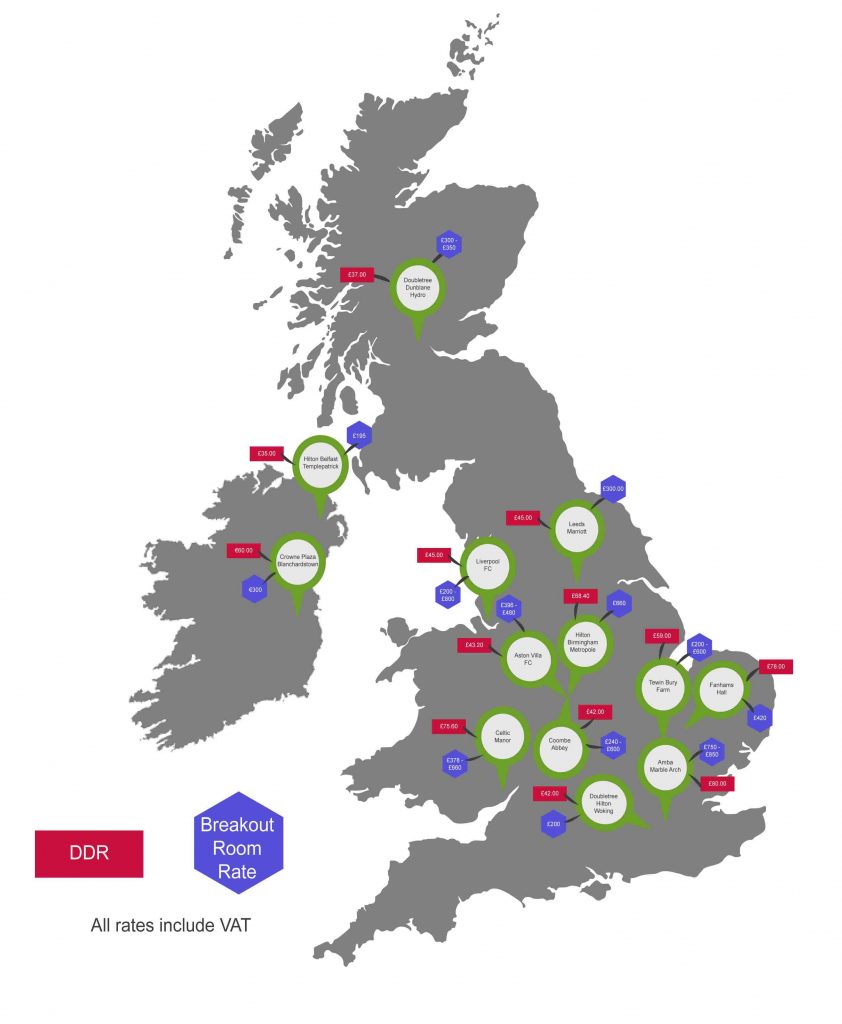
We’ve recently organised three roadshows for a client which take place in February, May and September every year. All meetings are booked at the same time and one rate is negotiated for all three events at the same venue. The client likes to use one venue in each area, as this makes things easy for the organisers. The venue knows what is expected and the attendees know where they are going.
The brief
Nine one day meetings for Head Office to brief regional offices on sales and marketing activity
All events take place in the same week
Duration – one day
Number of attendees: Minimum 45 and maximum 300
Main meeting room: Cabaret style
Breakout rooms: 4-6 depending on the quantity of attendees
We were unable to book all the events at the same hotels as some of them were already booked on the relevant date, but for comparison purposes they are similar in style, standard and facilities.
Unsurprisingly, the best value for money can be achieved in Northern Ireland and Scotland, whilst London has the highest delegate rate. There is a selection of venues in the £40-50 daily delegate price bracket, then there is a jump to £59 for a daily delegate rate and higher.
Rates proposed will be influenced by the hotel’s availability and how the event fits with their business mix, the day of the week and the quantity of attendees.
With the security related events of London and Manchester at the forefront of everyone’s minds, keeping event attendees as safe as possible has become another topic that corporate event professionals need to be expert in. There are also natural hazards, such as the earthquake in Mexico, fires in California and floods. Trinity Event Solutions holds regular Meetings Voice Summits for clients and potential clients to network and learn, and a recent event focused on these issues.
If your event attracts attention, because of the topic, political situation, has VIPs or is high-profile, such as an awards event, then these can be more vulnerable.
Venue selection can have a considerable impact on the security of an event, so here are six tips to consider:
Consider the venue’s location – is it set back from the road or does it have a private entrance? Venues that are set back will be harder to attack in a vehicle, and less likely to suffer from criminal surveillance too.
Check that the venue has CCTV on all entrance points so that they can monitor everyone who enters or leaves the venue. If they have CCTV then this is a great indication of a well designed security plan.
Does the venue have the ability to close off access to the building? Also is there an alternate route out of the building should one road be cordoned off?
Ask the venue about safe havens and evacuation. Do they have enough capacity for everyone attending and are these areas spread around the property?
Prepare your own simple security and emergency plan. Brief key staff and give them a printed copy. Don’t rely on an electronic copy, as mobile networks could be taken down. Discuss your plan with the venue and ask to see their security and emergency plan. They should be happy to share their plans with you.
Make sure you have the contact details and location of the nearest police stations, hospitals and if you’re abroad, the British Embassy.
What you can do in advance
When you are at the initial stage of venue selection, ask the venue:
What are their emergency procedures
How do they keep non attendees out of your area
What is their record of criminal activity
What is their record of cyber attacks
For more information about organising your events and selecting the appropriate venue, call 01780 484051 or email enquiries@edgevenues.com
How to handle delegates with special dietary requirements for menu planning
by Katharine Jordan, Marketing Director, Trinity Event Solutions
We are all experiencing more special dietary requests from attendees at our events, so I’ve taken a look at some ideas of how to handle them to create that perfect menu choice.
There are increasing numbers of people who have special dietary needs such as specific food allergies or intolerances or a health condition. An allergy can be caused by the immune system reacting to an ingredient and an intolerance is a reaction to the food or certain chemicals. It’s thought that around 20% of the UK population is living with a food allergy and 600,000 (1 in 100) with coeliac disease. There isn’t a cure for a food allergy or intolerance so the only way to manage the condition is not to eat the food. The Food Standards Agency has said that more adults are having allergic reactions to food because of the peer pressure to try different cuisine, take risks with foods they are unsure about, and not admit to known allergies due to embarrassment.
Many religions and cultures follow food customs and laws. Meat is often avoided and these preferences can often be catered for with good vegetarian or vegan options.
More people a choosing a special diet for health and environmental reasons. Animal welfare has always been a concern and we are all used to vegetarian menu options. In 2018, 168,542 people signed up to Veganuary and it is estimated that there are more than 3.5 vegans in the UK. For ‘clean-eating’ reasons people are cutting food groups from their diet and this is a growing trend.
Menu innovation
The Wellcome Collection’s conference centre has announced that it is trialling an innovative new allergen system to offer inclusive dining for all. Delegates will be able to view allergen guides on the digital screen and upload menus to their phone via a QR code. They can then browse menu items and discover more about each dish, including the all-important allergy information without having to ask. This will ensure that the food they choose meets their dietary requirements.
For meetings and event planners, special dietary requirements present significant challenges when planning a menu. So, here’s our checklist of four things to consider when discussing food choices with hotels and venues.
Don’t cause kitchen chaos
You may think that a varied menu for 600 guests will avoid some of the possible dietary issues, but you also need to consider what impact it could have on the kitchen. If guests see a dish being carried to a nearby table of something they’d prefer, it’s amazing how quickly they remember a forgotten meat allergy, just so they can switch to their favourite sea bass. At a hotel or venue, the catering staff have to treat everyone the same so if somebody says they’ll be ill if they eat a certain dish, that must be believed and dealt with accordingly.
Leave it to the experts
The advice from Executive Chefs is to select the best possible menu for the majority of your guests and don’t worry about the CEO who doesn’t like mushrooms or is gluten free. An experienced catering team will handle individual exceptions professionally, leaving you to focus on creating the right impression with exciting food for the majority.
Give the responsibility to the guests
Ensure that you’ve done everything within your power to communicate to guests that, should they have a food allergy, they can discuss it in private with a senior member of the catering team or make staff aware with the use of a table card. Ideally, you want to focus on medical requirements rather than food preferences and be aware of the sensitivities of early-stage pregnancies. If you’re planning a buffet, all foods will need to be labelled clearly with the correct dietary information.
A tip from the trade
Most venues prepare for the unknown by catering for an additional 10% of guests who change their mind or reveal food allergies. Check this with your catering team and increase it if necessary. If someone has a serious allergy to an ingredient such as gluten or nuts, their meals will need to be prepared in a completely separate area of the venue or bought in from the outside. It is safer to assume that the kitchen is already contaminated.
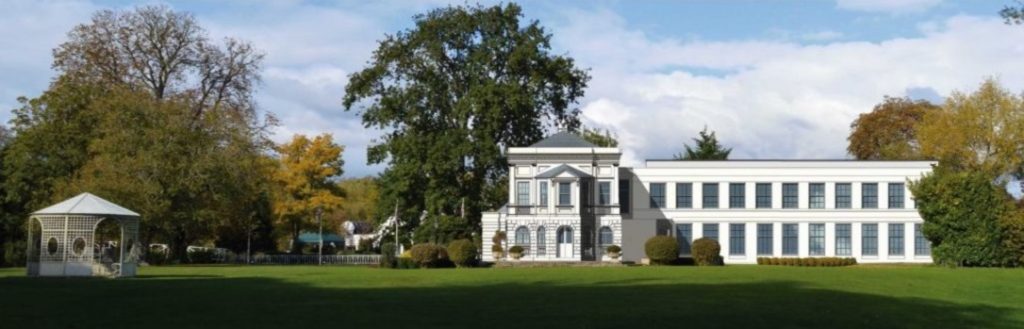
It’s always exciting to hold your event somewhere new and we’re always looking for something different. So here’s a quick look at some of the hotels and venues that are due to open next year.
In the UK …
Belmond Cadogan on Sloane Street will reopen on 1st February after being closed for four years
The Hard Rock Hotel, formerly the Cumberland at Marble Arch, will have meeting space and 1,000 bedrooms
Battersea Arts Centre is reopening in February after a three-year renovation
The Science Museum will open a purpose-built event space, Illuminate
The Standard London, near St Pancras will have 266 bedrooms
Bankside Hotel, Autograph Collection, a new design-led boutique hotel in London
DoubleTree by Hilton London Kensington is due to open in February will have 230 bedrooms
The Dixon, Tower Bridge, Autograph Collection, a mix of heritage and contemporary character
Manhattan Loft Gardens Design Hotel in Stratford, with 150 bedrooms and a roof garden that overlooks the Olympic Park
The Prince Akatoki, formerly The Arch London in Marylebone, a 5* hotel from a Japanese brand
Hampton by Hilton London Park Royal is due to open at the end of 2019, with 162 bedrooms
Monkey Island Estate Hotel, at Bray in the middle of the Thames will have four meeting rooms
HGI London Heathrow Terminal 2 is due to open in May, with 360 bedrooms
The Langley, Buckinghamshire, a boutique hotel in a former royal hunting ground
Hilton Garden Inn Abingdon Oxford is due to open in February with 146 bedrooms
Courtyard Oxford South, a 4-star hotel with good access to the A34 at Milton
DTbH Birmingham is due to open in September with 171 bedrooms
Delta Hotel in Cheltenham opening in June
Hampton by Hilton Stockton on Tees will open in February, with 128 bedrooms
Hampton by Hilton Leeds City Centre is due to open in July, with 192 bedrooms
Doubletree by Hilton Harrogate – Majestic opening in October, with 170 bedrooms
Moxy Edinburgh Airport opening in January
The Fife Arms, a former coaching inn in the Scottish Higlands at Braemar
Hampton by Hilton Edinburgh Airport with 240 bedrooms, opening in January
Hilton Aberdeen Exhibition & Conference Centre is due to open in June, with 200 bedrooms
And a bit further afield …
France
Chateau du Grand-Luce, a 20-bedroom hotel in the Loire Valley
The Hôtel du Palais, Biarritz, a Hyatt hotel due to open in the 2nd half of 2019
Norway – Oslo
Amerikalinjen will have a winter garden, open fire and jazz bar
Spain – Madrid
The Mandarin Oriental will open at the end of 2019, it was previously the Ritz Hotel
Riu Plaza de España is opening in June 2019, with meeting space for 1,500 people and 585 bedrooms
The Kimpton Barcelona is due to open at the end of 2019, near the La Rambla with 156 bedrooms
Italy
Iberostar Fontana di Trevi close to the the Trevi Fountain and the Pantheon
Malta – Valetta
Iniala Malta is a contemporary boutique hotel made from four townhouses, with a rooftop restaurant and plunge pool
Madeira
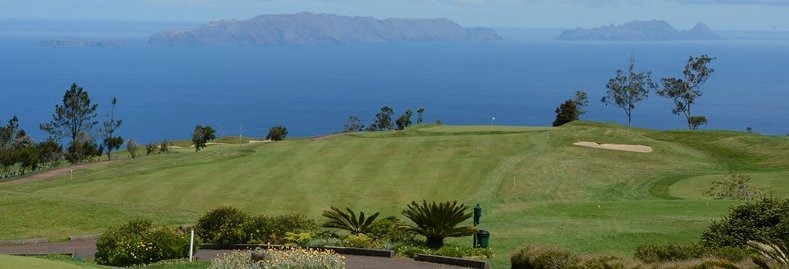
Savoy Palace is a 5* hotel with 325 bedrooms, due to open in the Spring
Portugal
Longevity Health & Wellness Hotel Alvor in the Algarve is due to open in June, with 70 bedrooms
Croatia
Grand Park, Rovinj is a 5* hotel, opening in April
Cyprus
The Radisson Larnaca Beach Resort is due to open in the autumn, with 202 bedrooms
Singapore
Raffles has been undergoing refurbishment for 18 months and will have three new restaurants
Hong Kong
The Rosewood in 43 floors of a skyscraper on Victoria Harbour is due to open in March
K11 Artus will have balconies, which is rare in Hong Kong
St Regis on Hong Kong Island
Soho House due to open in the summer
USA
The Hoxton, Chicago will open in the spring with 175 bedrooms, followed by a hotel in New York
Hilton Washington DC National Mall, will open in February with 11 meeting rooms and 367 bedrooms
This is by no means a complete list of hotels and venues opening next year, but just to give an idea of what’s in the pipeline.
There’s been a lot of publicity about sexual harassment and the #metoo movement in the last year, but how would you handle a complaint of this sort if it happened at your event? What about a conference attendee smoking, vaping, carrying a gun or taking marijuana? In some places, this behaviour is permitted and it is important that we all know how to deal with these situations if they arise.
Sexual harassment is not unique to the meetings industry, but meetings do offer opportunities for abusive behaviour. You could get a complaint about any activity that an individual or group considers inappropriate and at meetings people often present themselves differently, as they are away from home, family and in unusual circumstances outside the office environment. Other issues which could offend are social media postings, suitable clothing and verbal comments, such as racist, anti-lgbt etc
Marijuana is now legal in Canada, as well as in 10 states in the US: California, Colorado, Massachusetts, Maine, Vermont, Michigan, Washington, Oregon and Alaska. If you are holding an event here, you need to anticipate that attendees may want to use and what can be done to make sure that it is done safely. As this is a relatively recent development the liability laws have not been developed, as has been the case with alcohol.
EDGE Venues has looked at some items that you might want to consider when planning your event. If you’re organising an internal conference, then your company standards may cover some of these items, but if it is an external event then there are additional things to consider.
Checklist:
Outline what behaviour is unacceptable at meetings and events
Do attendees have a clear understanding of what is permitted and not permitted eg harassment, excessive drinking and other conduct
Issue instructions for an attendee to report improper conduct
Set up procedures for how you will investigate and respond if a complaint or allegation is made
If misconduct is found, plan what corrective action will be taken
Document all reported incidents, investigations and results
Check your insurance cover and any policy issues
Check your suppliers’ insurance cover and make sure these are adequate
Check national and state laws and regulations, make sure they are enforced
Have adequate security
Minimize opportunities for attendees to cause harassment, injuries or damage.
Accusations may be as harmful as proved bad conduct, as the perception of a badly managed event or one with a reputation for inappropriate behaviour will deter delegates from attending and will have a long term detrimental effect.