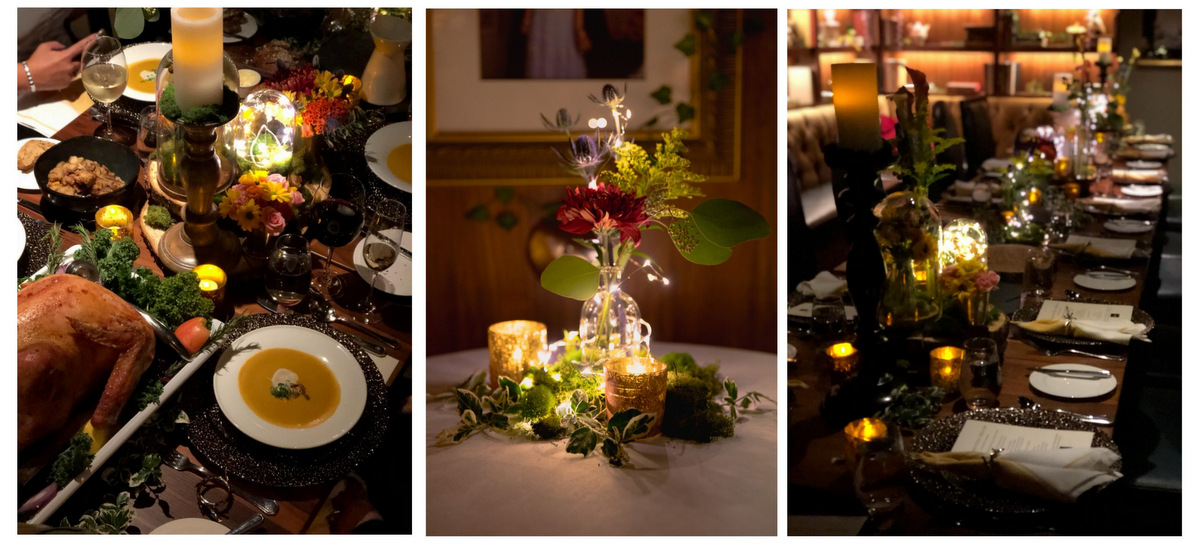
There are lots of good reasons to choose a different or unusual venue for your event. Somewhere that has the ‘wow’ factor or is popular on social media will boost attendance because people want to go there. We all know about museums, sporting venues, castles etc, but now it’s all about what’s new. It’s not always easy to find a desirable venue, but look at Instagram and check which have created a great brand.
Of course, you need to follow the normal rules and consider the overall capacity, whether the space will work, access for production and caterers etc as well as the objectives and finding somewhere to match your brand. But if you’ve got the creative juices going then it’s time to think outside the box and find a venue to match your message.
Create an amazing first impression
This will start with the event invitation, people will want to attend and be part of your experience. Don’t only think about the venue, but what about the entrance and is there outside space? Build the excitement before people arrive.
Hire a bar or restaurant
There are new places launching all the time, some have private dining and some can be hired privately. Rooftops are really popular, so how about the B&H Garden Room on a rooftop in Leicester Square which has great views. Or Ours in South Kensington and Sushi Samba both have private dining rooms for small groups and are places that people want to be seen.
Hotels
The ME London can now privatise the Atrium area on their 1st floor for events and Zela is a new restaurant on the ground floor. The Curtain in Shoreditch can privatise their Lido Deck restaurant at some times of the year.
Cafés
The café culture has exploded in recent years and these destination venues are particularly good for a breakfast or lunch event. Take a look at Feya and Butterscotch as well as the Elan Café, which has flower walls and LED lighting. Just one thing to watch for is that not all cafés are licensed so you may not be able to serve alcohol.
Blank canvass
Think about a warehouse, car park, ice rink, church and farm buildings as these venues can offer a large space to create the mood you wish. The ambiance is important, but also having flexibility to do what you want.
The warning signs
There is a risk if you work with a venue whose normal business is not events. You’ll need to keep on top of the communication, check their insurance, contracts and KPIs carefully to make sure the venue can deliver as agreed. If the venue is open to the public, there may be restrictions when you can have access and when you need to return it to them.
Positive ROI can be achieved once you know what the meeting objectives are and how they can be met. So, when you’re planning an event you need to understand why it is being held. All events should have a measurable aspect, otherwise what is the point of holding them?
Whether the objectives of the event are to increase sales, spread knowledge, improve productivity, promote brand awareness, reward clients, motivate staff, promote best practice; there is still a goal.
Here are some points to think about when planning, to make sure you get the best results:
Identify key stakeholders and what they want
Delegates
The budget holder
The venue
Suppliers
You, the organiser
Sponsors, speakers, content providers
Questions to ask in your organisation
What should be achieved from the event?
How is the success going to be measured?
What is the profile of the attendees?
What is the delegates’ current understanding, knowledge and awareness of the issues to be discussed at the meeting?
Can you conduct pre-event research to verify this?
Can you conduct post-event research to measure learning, application and business impact following the meeting or event?
Who needs to know how effective the meeting has been?
Who is going to produce the meeting report?
What is needed from the venue/location?
Questions to ask the venue
Would the venue include any extras to improve the experience?
Can the venue add any value to support the objectives?
Listen to expert advice
You don’t have to take it, but it could be useful. So, who can you talk to:
Venue Finding Agencies
Event Management Companies
Production Companies
Destination Management Companies
Venues
Research Companies can help with questionnaire design, response analysis and report writing. Why they will add value to your event:
This is their core business
They are professionals in their own field
Their experience should save you time and money
Their expertise will provide a professional and smoothly run event
The success of an event lies in the importance of not losing sight of the big picture – which is to achieve the organisation’s strategic objectives while reducing costs and controlling spending. Always follow the event with a questionnaire and then you’ll be able to judge whether the messages were communicated successfully. If you can measure activity or actions in the workplace as a result that will be a clear indicator that the event was a success.
Katharine Jordan, Director of Marketing, Trinity Event Solutions
Over the years, I’ve been to many exhibitions, forums, workshops, networking events and educational trips and now I’m quite selective about the ones that I attend. It’s important to use my time well and I need to make sure that my clients will benefit from the places I visit and people that I meet.
Last year, I went to and M&I Forum in Sorrento, IMEX America and The Meetings Show in London. I attend a different event every year to get a wide view of the conference industry, make new connections, catch up with old contacts and keep in touch with what’s going on.
Industry Forums
There are several organisers of forums and I feel that these events give us three main benefits:
• One-to-one meetings with a selection of hotels and venues who really want to do business with you. There’s time to talk about my clients’ events and how they will match the venues. • Introduction to a destination, to see how it can work for your clients. You’ll experience a hotel, offsite dining options and activities in the area, so by the end you’ll understand what that destination can offer, and the logistics involved. • Networking opportunities, with venues, agents and corporate organisers. It’s a great way of learning what’s going on in the industry, sharing experiences and benefiting from other people’s knowledge.
You’ll might have some free time during the event and be able to visit another venue or just explore the area and get a personal perspective of the destination.
Exhibitions
IMEX in Frankfurt, IBTM in Barcelona, IMEX in Las Vegas, The Meetings Show in London and many more … there are plenty to choose from.
I hadn’t been to IMEX America for years and went specifically to talk to North American venues for a client who regularly holds events there. I attend to the European shows for European destinations and The Meetings Show for the UK venues, but usually only go to one every couple of years.
The exhibitions are great to meet everyone in one place, although there is very little time to explore the destination whilst you’re there. You’re committed to pre-booked appointments and it’s worth keeping some time free to walk the show, see what’s new, catch up with old contacts and attend educational sessions. IMEX is well organized and the appointment booking system is flexible, so that if you get a last-minute brief it’s possible to change your diary to suit.
What I hate
• Wasting time, but I think that applies to all of us. I don’t want to leave home in the early hours, to catch a plane which arrives at the destination at 10am for an event that starts in the evening. If that’s necessary because of the flight times, then I arrange site visits myself, during the day at competitors’ venues, which is probably not what the host venue wants. • A packed diary of appointments at an exhibition. I’ve been allocated meetings at times before I arrive at the event and with exhibitors of no interest. How is that of benefit to either of us? A couple of breaks during the day are essential to eat and collect your thoughts before the next session.
Knowledge is key to us all and when I attend an industry event I always learn something unexpected. The forums and exhibitions are constantly evolving and for me, these are about keeping in touch with what’s going on, finding out about new venues and experiencing something different.
by Paul Kennedy MBE, Director and Owner, Kennedy Integrated Solutions
When I was asked to write about this subject with its long title it initially felt like that old school task of writing about the history of the world in one short essay. Well, now like then, I have decided the topic is too vast, too diverse and too subjective to try to cover a large range of topics so I am just going to focus on a small number. I am NOT going to talk about Brexit because like everyone else I don’t have the answers; I am NOT going to talk about Trump despite having a keen sense of humour and I am not going to claim that what I say identifies the challenges and achievements which are the most important as the criteria to judge which are, are simply too complex.
As I look back and peer forward …
… the industry I joined almost thirty years ago feels very different indeed. The first achievement I think worthy of note might be viewed as an academic one and this is how the meetings and events industry in all its guises and definitions has gained much wider political and policy making recognition.
At a macro perspective there is now a methodology which can measure the gross economic impact of our industry at a national level and this can indicate the contribution to GDP, employment levels and the generation of taxation revenues. Who would have thought that in the UK there would ever be a cross party all parliamentary group which acts as a voice for the work that our industry colleagues contribute to the wider economy? This economic value is currently being explored and championed further by the discussions around the subject of the knowledge economy and how the world of meetings and events can and arguably should be aligned in the quest to attract events to a destination.
Such strategic thought of say trying to attract meetings in subjects and industry sectors which are relevant to local economies, their talent pool and academic and research agendas is now to many an obvious thing to do. The Iceberg initiative founded and championed by that clever man James Latham is an example of real joined up thinking about how the destination supply side of our industry can think more strategically about the type of business it could and arguably should try to acquire.
The second area of my ramblings …
… once again focuses on the supply side and its explosion at a global level. Almost every day I read about a new meetings hotel being opened or planned; there are as I write something in the region of 40 new convention and event centres being planned, expanded or opened in Europe alone (Blackpool, Aberdeen, Gateshead, Newport in the UK to name just four) and the opening up of the myriad of new air routes many relatively low cost, presents the meeting, event or incentive planner with an incredibly increase in choice.
This destination competitive landscape will I believe continue to grow rapidly-there are it is reported 5000 towns and cities in Europe alone and the thirst for something new and different among meeting planners from all sectors would suggest that venues and hotels and the cities and region in which they are based will need to keep spending their marketing budgets as competition increase well above current levels.
My personal view is that digital marketing and face to face business development activity will become ever more dominate and that traditional trade press will become increasingly marginalised in the battle to acquire inbound meetings business .
But how have meetings changed?
This alone is one of those topics which spurn many books and much commentary. The transition for meeting planners from a more traditional focus on meeting logistics to meeting content is now well established across all sectors.
The discussions around meeting design, meetings architecture (pioneered by Maarten Van Este) and the ROI of meetings (championed in Europe by Elling Hamso) for example have really aided the debate around the value which meetings and events bring to organisation, and continue to drive the evolution of content and ideally the increase in delegate satisfaction and experience. If any organiser is failing to embrace issues such as these then perhaps as planners they will personally become less valuable in time.
Technological development
I guess there would be howls of derision, not least from Jacqui Kavanagh, if I did not mention technological development. Well although technological developments impact on all elements of our business and many elements of consumer life the old arguments that technology would lead to a dramatic reduction in meetings now surely has been consigned to the waste basket (it seems modern offices no longer have a waste bin for each desk!)
There is little doubt that technology has massively widened how we can plan and deliver meetings and research suggests that despite virtual conferencing increasing still further and replacing some small scale business and other meetings, the underlying trend for meetings continues to rise as economies grow and national boundaries open up.
There is strong evidence that in some sectors the number of delegates at mid to large events has and will continue to decline; in the world of international associations the challenge about how to attract younger generations into membership and then to attend meetings is of growing concern; intuitively it seems to me that this challenge must be associated with how today we all acquire, access and process information and for some will greatly influence how they choose to be part of a community or association.
I have selected just a small number of topics which have and will continue impact my career as a meeting and event planner and supplier. There are many more subjects I could of course have selected but none of the above or those issues not discussed, have been more impactful or important that the network of friends and professional colleagues with whom I have had the pleasure and privilege of working meeting and conversing with.
I can only ponder that the interaction with other professionals or like- minded and inquisitive individuals is why the world of meetings and events exists and continues to build, continues to enthrall and motivate and why I believe will for the long term continue to play a pivotal role in the lives of the many tens and tens of millions who attend meetings every year.
Kennedy Integrated Solutions advises destinations at a city, regional or national level, venues and venue groups, event companies and individual business executives about how to make their businesses grow and their organisations to become more effective and successful.
By Lene Corgan, Head of Business Development UK & Europe
Home to multiple green oases, some of the cleanest water in the world and a unique bike culture, Copenhagen is well known for being one of the world’s most sustainable and liveable cities and is routinely place at or near the top of livability, sustainability and related global rankings.
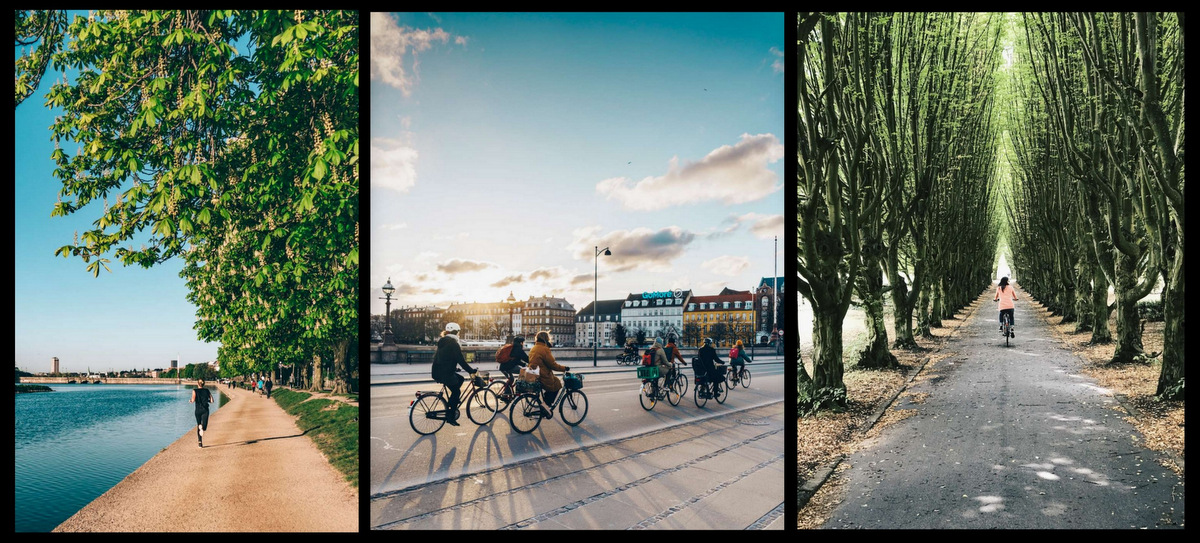
Every morning the cycle paths fill up with commuters as an impressive 63% go by bike to work in Copenhagen. Sustainability and being green is part of the Danish DNA and just as sorting the rubbish is a natural part of the day, recycling and green energy is a key focus.
It therefore comes as no surprise that Copenhagen is also a front runner when it comes to hosting green meetings, conferences and events. The fact is that sustainability has been thought into most hotels, venues and the city itself, so you will get a green solution whether you want it or not.
In 2009, Copenhagen hosted the first-ever eco-certified political summit, the United Nation’s Climate Change Conference COP15, and in 2012, Denmark played host to the most sustainable Presidency of the European Union, certified to ISO-20121 sustainable event management standards.
The Copenhagen City Council is working targeted towards becoming the world’s first CO2-neutral capital by 2025, and Denmark has ranked number one on the Climate Change Performance Index for three consecutive years, a success based on positive development in recent emissions and good policy execution.
The sustainable focus has even spread to the city’s restaurant scene, presenting numerous restaurants serving locally sourced, organic and climate friendly dishes, ranging from high end options such as ***Michelin-starred restaurant, Geranium and *Michelin-starred restaurant, Relæ, to easy going and diverse Copenhagen Street Food and, Gro, situated in an urban rooftop farm, just to mention a few. But let’s start from the beginning:
Travel to Copenhagenn
Flying will never be the most environmentally-friendly way of transporting yourself but is nevertheless a convenient one. We recommend that you fly directly to leave the smallest possible carbon footprint. Even better, take the train directly from city centre to city centre and save time and expenses from going to and from airports.
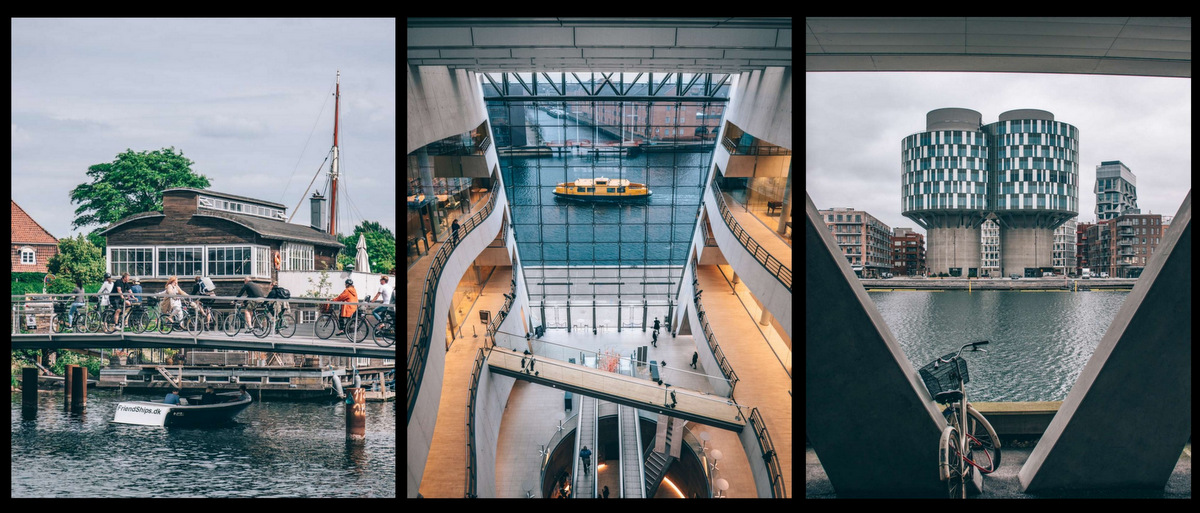
Copenhagen offers highly advanced and developed public transport infrastructure. The Metro – presently under expansion – connects the city center to the airport in just 13 minutes, where the efficient airport train takes you to Copenhagen’s Central Train Station in only 12 minutes. Either solution costs less than €5.
Also, worth considering is that Copenhagen is one of the most walkable cities in the world, ranked World’s most walkable city by Walk 21 in 2013. Its compact city centre makes walking between meeting venues, hotels, sights, restaurants and shopping areas a matter of minutes. Or join the locals and travel by bike. There are public bikes available for hire all over the city.
Accommodation and venues in Copenhagen
More than 70% of the hotel rooms in Copenhagen are eco-certified, so sleeping with a green conscience is no challenge. The Nordic hotel chain Scandic is one of the suppliers that has taken social responsibility a step further. Scandic not only has effective energy usage and serves selections of organic foods. When sheets, towels and furniture are replaced, they are donated to local shelters for the homeless. Since 1996, the hotel chain has worked hard to make its resource usage more efficient.
Crowne Plaza Copenhagen Towers opened in 2009 with an ambition to be leading in eco-friendly hotel management and was named World’s Greenest Hotel in 2010 by SKÅL. In 2013, after 14 months of focused efforts, Crowne Plaza Copenhagen Towers became the first hotel in Denmark to be certified with the international environmental management standard ISO 14001.
The city’s largest hotel chain, Danish family owned Arp-Hansen Hotel Group, offers 12 hotels, all qualified for The Green Key in recognition of their effectiveness by reducing energy and water consumption, minimising waste, introducing organic produce and creating a healthy environment in which to work and stay.
International hotel chains such as Radisson have their own environmental programs. For instance, starting in 2012, Radisson Blu Hotels & Resorts chose an ambitious commitment with the Think Planet strategy and a plan to reduce energy consumption by 25% within five years.
The above-mentioned hotels all offer meeting facilities with a green profile. However, if you need more space, Scandinavia’s largest convention centre, the Bella Centre, also upholds a thorough environmental policy and its own windmill and holds a Green Key certification.
Food in Copenhagen
In recent years, the restaurants in Copenhagen have developed the New Nordic Cuisine, focusing on seasonal, local produce. It’s still possible to get a good steak in Copenhagen, but many restaurants have turned their focus to vegetarian and vegan dishes. This approach is also climate-friendly and adds to the fact that Denmark, and the Copenhageners in particular, are leading within organic food consumption.
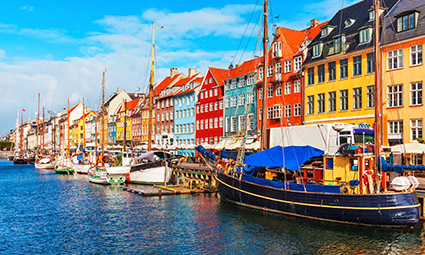
Copenhagen’s ‘Michelin-starred restaurant, Geranium, mainly serves organic and biodynamic food, but you can find organic food in numerous restaurants around the city. BOB Biomio Organic Bistro, Denmark’s largest organic eatery in the trendy Vesterbro part of town is a good example. Restaurant Cap Horn, by the picturesque canal Nyhavn, was one of the first restaurants in the city to implement organic produce and, as a minimum requirement, all basic ingredients such as eggs, milk and butter are organic, as are the coffee and tea and the majority of the other beverages.
If you want to cater organic food for meetings or even mega-events, Danes know how to do that as well. During the UN Climate Change Conference COP15 held in Copenhagen in 2009, 75% of the food for the 30.000+ participants was organic and could be purchased at a reasonable price.
Social activities
There are several ways to engage your participants in environmentally-friendly activities. Why not enjoy the sights of Copenhagen from the back of a bike or tie your shoelaces and run around the sights, maybe finish off with a refreshing and cooling swim in the clean harbour.
Another possibility is to visit some of the organic farms e.g. Krogerup Avlsgaard or Fuglebjerggard outside the city, offering teambuilding activities and culinary sessions with food and micro-brewed beer in organic settings.
Copenhagen works to continuously push for a more sustainable future and aim to inspire other destinations to embrace green solutions as a natural part of hospitality. And to do so the congress and meetings industry plays an instrumental role creating a sustainable city that works towards realising the UN’s 17 sustainable development goals.
The City of Copenhagen’s existing policies and strategies all contain ambitious goals in relation to the SDGs, addressing all three dimensions of sustainable development: social, economic and environmental including, as mentioned, becoming the world’s first carbon neutral capital by 2025, an ambitious goal, which is tracking on target.
Acknowledging the need for Destination Marketing Organisations (DMOs) to contribute to the realisation of the SDGs, Copenhagen’s official DMO, Wonderful Copenhagen is working closely together with a range of stakeholders to ensure a sustainable destination that is as much for locals as it is for tourists.
Wonderful Copenhagen has recently been certified as a Green Tourism Organisation and has vowed to make tourism a force for good. From hotels combatting food waste to venues running job school programmes for refugees, Copenhagen’s meetings industry is behind many different sustainable initiatives that all contribute to making Copenhagen a more sustainable destination. Wonderful Copenhagen is set to launch its new sustainability strategy for 2018-2021, which will outline the path going forward for both the destination and its many players as well as Wonderful Copenhagen itself.
It’s all in one place. EDGE is a powerful tool and will be used by meeting organisers to search for venues and to create proposals. So we need to know what your venue can do, how it works, guideline pricing and a good insight into your facilities.
Help us to bring your venue to life. The more data you fill in the higher you will come up in relevant searches. This data will then provide the basis for the RFPs that will be sent to potential clients or agents. Your venue’s profile on EDGE will show users what you can offer, where you are located, how you look and how much they are likely to pay. This will streamline the RFP process as all clients and agents will be making an informed decision on who to contact therefore ensuring you do not waste your time on RFP’s that will never convert.
There are two Engagement License opportunities: EDGE venues plus and Agency EDGE which are available to all venues via a monthly license fee. Please ask the EDGE Team for full details on 01780 484051.
How to make the most of your venue’s profile
Let us know where you are located and what you have to offer potential clients and agents. Here are some pointers to help you get to the heady heights of 100% profile:
The upload all data and photographs. This is completely free of charge so make the most of this by adding images for all your meeting rooms and do not forget the image on your accommodation section.
Any bookings generated via the EDGE platform that are handled by the EDGE agency team or by other Agents are commissionable to the agent who has
placed the business with you.
The more information that you include in your venue profile the higher your data percentage will be. Below is a guideline of how to increase your percentage.
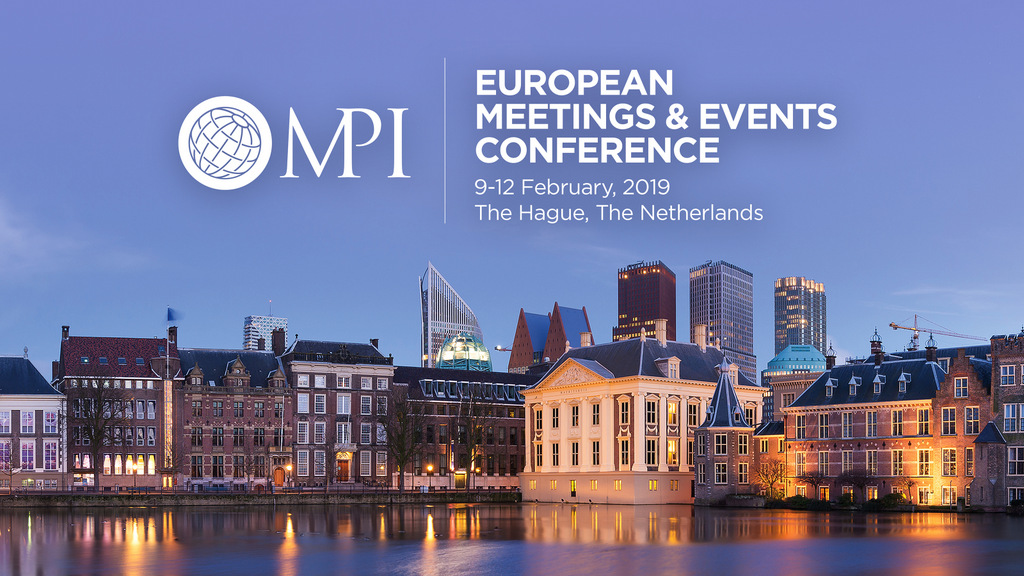
Let’s reinvent the way we meet, experience and learn at the MPI European Meetings & Events Conference in the Netherlands.
‘We are not here to play the game. We are here to change it.’
With this quote from the Netflix hit series Peaky Blinders in mind, MPI The Netherlands Chapter started the design process of the European Meetings & Events Conference (EMEC) to be held in February 2019 in The Hague. Now that the promise has been made, it is time to live up to it.
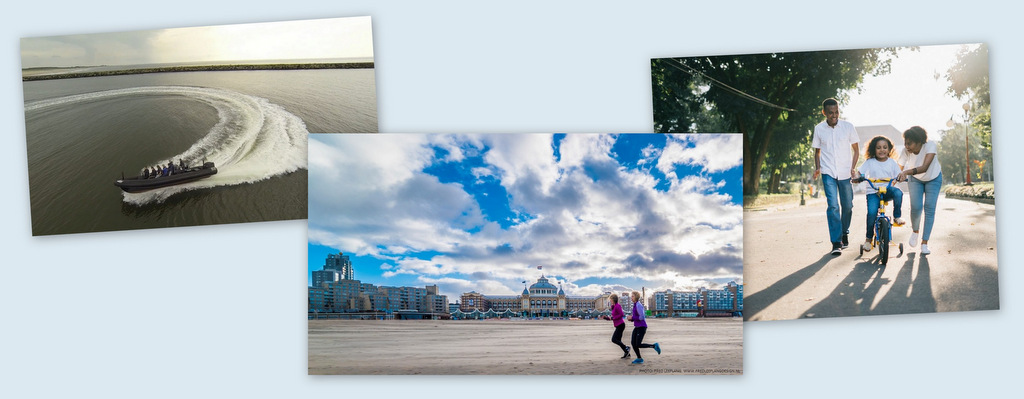
Too often, conferences are using the same design as they have been doing for decades. Keynote speaker on stage, delegates sitting in a ballroom listening to what is said or playing with their smart phones. Yet, there are so many ways people can learn. After all, kids do not learn how to ride their bike just by listening how they should. They need to get on the bike, practice, fall, get up, fall again, get help, and try again. Until they get it. At EMEC19 that is exactly what delegates will experience. Changing the game means changing the way we learn, changing the way we meet and changing the way we experience.
Change the way you learn, meet and experience
Meeting new and interesting people is high on everyone’s list. But how often do you find yourself with the people you already know? Do not get it wrong, there is plenty of time to meet with old industry friends. But EMEC19 is designed in a way you will meet new people and get to know them well enough to make sure they pick up the phone when you call. Interested in finding out how that promise will be kept? There is only one way to find out…
EMEC19 allows attendees to learn the way that suits him or her best. Part of the programme consists of learning journeys to explore cross industry innovation. Learning journeys that are literally learning + journeys. Delegates are taken out of the meeting room, even out of the conference centre, to explore how other industries deal with the same challenges our industry faces. Another example of a changing learning method is scenario-based learning. If it proved to be good enough for the world leaders, it is worthwhile testing the effectiveness yourself. Are you intrigued yet?
The conference will focus on four main topics: Risk Management, Leadership, Design Thinking, and Meeting Perspectives. Specialist tracks are designed that challenge participants to dive deep into these specific topics. EMEC19 allows delegates to become a ninja on one of the four topics or cherry pick personal favourites from the various topics addressed.
Designing EMEC
Robbert Weddepohl, president of MPI the Netherlands chapter and Gijs Verbeek, Executive Director of MPI The Netherlands chapter both strongly believe in using local knowledge. After assigning a dedicated project manager, the team decided to put an enormous amount of time towards the design of EMEC19.
Weddepohl: “When we sent out an invitation to help us in designing EMEC19, nearly sixty people showed up. Fascinating, since we only sent out forty-five invitations as we were hoping for a group of around twelve. Planners, suppliers, MPI members, non-members, young, not so young, so many professionals from our industry stood up to help. We felt we were on to something and captured their enthusiasm, creativity and knowledge using the #eventcanvas. Based on this design process, we mapped over a dozen event stakeholders which led us to create 10 design principles for EMEC19.”
Change the way you experience. Experience the way you change!
EMEC19 is an immersive experience that takes place from Saturday 9th until Tuesday 12th of February 2019. Verbeek: ‘With a spoiled audience like ours, we realized that it is difficult to exceed expectations by programming yet another fantastic speaker, an exclusive historic venue or serving the best wines. EMEC19 will change the way you experience, and by doing so, you will experience the way you change as a professional. Creating unexpected experiences that get under your skin and make you want to call your best friend to tell what just happened…that is what we are aiming for.’
How MPI Global is changing the game
As a grassroots organization, MPI is a strong believer in empowering its members and local chapters to excel. Still, it is the first time a local chapter is taking full responsibility on a flagship event like EMEC. MPI’s International Board of Directors (IBOD) played an important role in activating and empowering the European meetings & events community to deliver an ineffable edition of EMEC. A clear sign that MPI keeps moving forward.
More info and registration on www.emec19.com Mail: seeyou@emec19.com
About the author: Sven Boelhouwer is working as a freelance event and conference organizer. He has been on the board of MPI The Netherlands Chapter for over a decade, being VP of the Educational Committee and Events Team as a volunteer. He is the assigned project manager for EMEC19. Email: sven@emec19.com
I’ll just send one more email before I leave; phone another customer before they finish for the day; I must remember to pick up a birthday cake for my son’s birthday on the way home; text my partner to remind them to switch the oven on; think about what I’m going to wear to that important presentation to a new client tomorrow; and find the ideal gift for my best friend’s wedding at the weekend. Sound familiar? You feel like the proverbial ‘Eveready’ bunny not entirely sure when the battery will run out! Perhaps you can put off exercise for another day, week, month and surely sleeping over four hours a night and eating regular healthy meals is overrated, right?
You are working hard and playing hard, running on adrenalin and the stress hormone cortisol and some of the time it’s fun and exciting. However, you’ve noticed recently that you are struggling to get a good night’s sleep, the weight is creeping on around your middle and you just can’t seem to throw off that niggling sniffle. You seem a bit snappy and irritable and have found yourself making silly mistakes and having to double check your work as you can’t seem to focus, especially on a Monday morning.
If only you could just achieve a better work-life balance you wouldn’t feel so exhausted!
I realised I was running on empty when half way through a journey from home to a hotel in London, I suddenly woke up from thinking about the million and one things I had to do. Then I realised that I had programmed the satnav with the postcode for a hotel in Slough where I was staying later in the week, some 40 miles away from where I needed to be! Time to take my superwoman pants off and start focusing on my health and wellbeing!
The World Health Organisation defines health as a “a state of complete physical, mental and social well-being and not merely the absence of disease or infirmity”. So how do we achieve this whilst responding to the pressure to deliver results whether imposed by our employer, our clients or ourselves?
It is well documented that if we improve or manage our health and wellbeing, we will perform better, feel happier, full of energy and able to deliver great results for the organisations we work for. Most of us are aware of this, however there can be a real disconnect between knowing what we need to do and actually doing it on a consistent basis.
So, let’s have a look at some of the key areas of wellbeing and remind ourselves that even implementing small changes can improve and make a tangible difference to our overall health and ability to perform at our best.
Exercise
Exercise really is the magic bullet for keeping us living a long and healthy life. It has been proven that exercise decreases our risk of major illness such as heart disease, stroke, type 2 diabetes and cancer by up to 50% and the risk of an early death by 30%.
The NHS recommends that we take at least 30minutes of moderate aerobic exercise five days a week i.e. cycling, swimming, brisk walking, and include resistant or strength building activities on at least 2 days per week that work all the major muscle groups.
This doesn’t have to be in 30minute bursts, it can be spread out over the day and if you increase the intensity you can exercise for less time and still achieve the same results – 1 minute of high intensity training (HIT) achieves the same as 2 minutes moderate intensity exercise. If you mix it up then you are on to a winner!
The key to exercise is to find something that you enjoy doing and can incorporate into your daily and weekly routines. And, remember how good it will be with all those endorphins cruising around you body, you’ll feel more relaxed, good about yourself and sleep better. It can take as little as ten to thirty minutes of intense exercise for some people to trigger endorphins.
Sleep
A good night’s sleep is restorative and essential to our physical and mental health. It consolidates our learning, memory, decision making and protects us against stress, mood swings and mental illness such as anxiety and depression. It also plays a key role in healing and yet, so many of us fail to achieve the recommended 7 to 9 hours a day. This is even more difficult for shift workers. The Sleep Council provide some top tips for gaining control over an erratic sleep pattern:
Caffeine is a stimulant, so try and avoid anything containing caffeine at least six hours before sleep.
Avoid eating a heavy meal at least two to three hours before sleeping.
Whatever time you plan to sleep, wind down properly before hand and avoid using mobile phones, iPads and watching TV an hour before sleep and particularly in the bedroom. The blue light from electronic devices has now been linked to eye problems and certain cancers and shown to disrupt melatonin the hormone needed to regulate sleep¹.
When working a night shift, try a short nap (no longer than 40 minutes) around two hours before work to boost energy levels.
Keep bedroom décor calm and soothing. Trying to sleep in the day is hard but ensure there are dark curtains and a blackout blind to block out light. Use foam ear plugs to muffle external noise.
If you have trouble getting to sleep, lavender, passion flower, hops, orange blossom, Scot’s pine, camomile and peppermint all claim to promote sleep. And milky night time drinks can help you to sleep.
Try to catch up on ‘recovery sleep’ at weekends or on days off. Where possible, try ‘anchor sleep’ where you have at least four hours sleep at the same time every night / morning, for example between 3am and 7am.
Diet and Nutrition
What we put into our bodies today will dictate our health in the future! If you eat too much chocolate, cake, sugar laden and processed food and take very little exercise, you will put on weight and potentially fall ill through a lack of important nutrients, not to mention predisposing yourself to type 2 diabetes, cancer, arthritis and heart disease.
It may also surprise you to learn that if you are holding fat around your middle it can be an indicator of visceral fat which is particularly dangerous to your health. Chronic stress is often the enemy to storing fat around the middle, caused by too much adrenalin and the stress hormone cortisol. If you are in any doubt about this then have a read of Dr Marilyn Glenville’s book written on the subject².
We need to balance the key nutrients such as protein, fats and slow-releasing carbs and understand that in each case there are good and not so good food sources in each of these three areas. Sugar really is the enemy and as addictive as cocaine (or so I’m led to believe!) It’s the hidden and less obvious sugar in things like bread – hold a piece in your mouth and notice how sweet it becomes – and breakfast cereals. Don’t be hoodwinked by the ‘no added sugar’ labels – this can often mean there is so much in the food to start with they don’t need to add anymore! Low fat food will almost always be high in sugar which they add for taste and low-fat yoghurt is classic for this.
Achieving a healthy diet can be a challenge particularly when your work patterns don’t allow for a lot of routine. One of the keys to overcome this is planning so that you know exactly what and when you are going to eat to avoid getting so hungry that you grab the first thing that comes to hand, which I guarantee will not be an apple!
Comfort eating can be an issue for some and so finding strategies that work is key. If you do succumb, then the worst thing to do is give yourself a hard time and make matters worse. Move on and decide to eat better the following day.
It doesn’t really matter what dietary approach you take i.e. 5:2, low carb, regular fasting, Slimming World, Weight Watchers etc. etc. as long as you can sustain it over the long term and create healthy habits that give you the energy, ideal weight and health that you desire. If you don’t have these three things, then be honest with yourself and make some changes today.
Mind (Mental) Health
The final topic I’d like to mention underpins all areas of wellbeing. Your thinking has a direct impact on how you feel and therefore how you behave and the actions you take. If you are not feeling good, becoming hyper critical of yourself and others, getting stuck in negative thinking and generally feeling unhappy then its time to take stock and consider what you can do to make some changes.
Positive psychologists suggest that it takes around 7 to 10 positive thoughts to out weigh the one negative. Consider when you last thought or said something positive about yourself or others?
Here are some ideas for getting things into perspective;
Make a list of you at your best (forget the list of you at your worse because this is often top of most people’s mind anyway)
Keep a journal and record all the things you are grateful for
Spend time helping and giving to others
Practice Mindfulness to live in the moment – ‘Headspace’ is a great app to download and use daily. Mindfulness has been proven to lower stress levels if practiced regularly
Spend time around positive people who raise your energy
Take time every week to do the things you love to do
My current favourite book is 10 Keys to Happier Living my Vanessa King – full of practical suggestions for increasing your happiness levels and changing the way you think about your wellbeing and happiness.
Finally, there is no health without mental health and if you find yourself struggling to cope, experiencing anxiety, depression or other symptoms that are getting in the way of your normal day to day activity and enjoyment then do not hesitate to seek help from your GP in the first instance. It is just as important to look after your mental health as it is your physical health.
Cathy Lawson of Maestro Wellbeing is a Mental Health First Aid Instructor, Workplace Wellbeing Consultant, Trainer and Coach. She has has more than 20 years’ experience of advising, coaching and training organisations and their employees on how to increase productivity and performance and reduce sickness and absenteeism by developing a resilient and healthy workforce. Cathy is now delivering Mental Health First Aid England’s approved Mental Health First Aid one-day, two-day and half-day adult courses as well as wellbeing and resilience sessions for public and private organisations.
If you or your organisation are interested in Mental Health First Aid training please get in touch. This is delivered at your place of work or by attending a public course. The next two-day adult MHFA training is being held on the 26 & 27 November at The Pendragon Training Academy in Mansfield. Special rate of £249 per person for the two days for Edge customers which includes manual, workbook, certificate, lunch and parking. (Normal rate £295) Contact details: Tel: 07771 550541www.maestrowellbeing.co.uk and cathy@maestrowellbeing.com.
By Jen MacPherson and Rose McDonald, The Smart Training Company
The Smart Training Company offers top tips for event organisers and venues over the Christmas festivities. To get us in the mood here’s some fun facts about Christmas:
According to tradition, you should eat one mince pie on each of the 12 days of Christmas to bring good luck.
US scientists calculated that Santa would have to visit 822 homes a second to deliver all the world’s presents on Christmas Eve, travelling at 650 miles a second.
6 million – The number of rolls of Sellotape that will be sold in the UK in the run up to Christmas (5.99 million is the number of rolls that you can’t find where the tape ends)
According to a survey conducted in 2016, 57% of adults in the UK would gladly sacrifice seeing relatives on Christmas Day if it meant they could spend more time on Facebook.
Nearly 60 million Christmas Trees are grown each year in Europe
In a recent Yahoo poll, users voted the most popular Christmas film of all time as Home Alone, with The Muppet Christmas Carol second, and It’s a Wonderful Life third.
Top tips for event organisers
Plan ahead
Start planning as soon as you can to ensure you get the choice of date and venue that you want. The more unique venues will always book up quickly. Then send a ‘save the date’ around the office. Be aware of venue deposit and cancellation terms, just in case.
Accessibility
Find a venue that’s easy for people to get to and think about arranging for taxis home. If you choose a venue with bedrooms check to see if there is a special accommodation rate that you can offer attendees as another option to a taxi.
Delegation
Consider setting up an organising committee. There’s a lot to do and it’s a big responsibility to spread the load. Discuss what’s been done before; what did people like, what didn’t work and agree your budget.
Does it need a Christmas theme?
Think about tying the event together with a theme. You can then follow this through in the invitations, dress code, activities and even a competition and novelty prizes on the night.
Plan the menu
Whether it’s a themed event or Christmas fayre make sure there’s plenty of food and there is plenty of choice, so it will suit everyone. A buffet works well for larger groups, and guests can then eat when it suits them. It’s nice to have a midnight snack laid on later in the evening, such as soup, bacon butties or food items tailored to your event theme. Surprises are fun and memorable! Some venues will provide this anyway so ask the question.
Do you need a table plan?
Seating plans are often a good idea for larger groups. Mix people from different departments up and possibly ask guests to move places for dessert to encourage more interaction. Place some small activities on the tables, such as puzzles, jokes and games which will add to the fun! Set up a WhatsApp group or encourage Instagram or Twitter interaction and then use pictures and posts to create a fun newsletter after the event.
How will you entertain your guests?
Think about the music and entertainment … again, cater for all as many different tastes as possible. Venues can help you and should have some good contacts. Research what you’re looking and whether the entertainment is suitable so that there are no surprises on the night.
Prepare, prepare, prepare
Check everything with the venue a week or two before to ensure both sides have covered everything; it’s also a good idea to do a debrief with the venue after the event especially if you think you will return next year.
Be a great host
Meet and greet your guests on the night. If you’re part of an organising committee then you can divide up jobs on the night. Ensure your guests are comfortable and looked after but above all make sure you have a fun night too; you will deserve it!
The Smart Training Company is running a Christmas Sales and Spend Review Workshop in January and February 2019 to help venues review 2018 and plan and maximise sales and marketing opportunities in the run up to, and over the Christmas period in 2019. For readers of the Edge Venues please enter promotional code SMARTVIP19 to book delegate places at £165 instead of £199. For more information click here
By Jen MacPherson and Rose McDonald, The Smart Training Company
The Smart Training Company offers top tips for event organisers and venues over the Christmas festivities. To get us in the mood here’s some fun facts about Christmas:
• According to tradition, you should eat one mince pie on each of the 12 days of Christmas to bring good luck.
• US scientists calculated that Santa would have to visit 822 homes a second to deliver all the world’s presents on Christmas Eve, travelling at 650 miles a second.
• 6 million – The number of rolls of Sellotape that will be sold in the UK in the run up to Christmas (5.99 million is the number of rolls that you can’t find where the tape ends)
• According to a survey conducted in 2016, 57% of adults in the UK would gladly sacrifice seeing relatives on Christmas Day if it meant they could spend more time on Facebook.
• Nearly 60 million Christmas Trees are grown each year in Europe
• In a recent Yahoo poll, users voted the most popular Christmas film of all time as Home Alone, with The Muppet Christmas Carol second, and It’s a Wonderful Life third.
Smart Training top tips for venues
Business on the books
Assuming you’re reading this today, in November, start by reviewing your ‘Business on the Books,’ compare to previous years’ budgets and identify your gap. Do you need more bookings? Or does the focus need to be on Food and Beverage sales?
Have a strong team supporting you
Include the right team members to help you. Involve them in generating ideas, help understand the logistics and ensure you stay within budget. Involving others will motivate and build team relationships that will benefit the smooth running of events through December.
Know your targets and how you’ll achieve them
Plan how you are going to achieve wine and beverage sales for each Service, Party Night or Private event to exceed beverage budget. Do your team have excellent knowledge of your Christmas food and drink menus? Why not organise some training sessions in Food and Wine matching? Increased Knowledge = Increased Sales.
Recognise sales opportunities
Does your team know how to recognise sales opportunities? Are they motivated to achieve targets? What incentives do you have in place to encourage your team to sell? Engage your team from the beginning and you’ll deliver a successful event every time.
Make time to evaluate
You should put a date in your diary in January to review how well your Christmas events performed from both a sales and an operational perspective. Identify what made the event or night successful, and what would you do differently next time? Plan your marketing effort across the year and promote events on your website as early as possible.
Plan ahead
It’s a good idea to use an annual planner- style chart to plan all activities across the year and to keep the team on track. Ensure this is updated regularly for each event.
Agree all the activity needed within the whole team so everyone is involved, has contributed and is motivated to ensure success for 2019 and beyond!
The Smart Training Company is running a Christmas Sales and Spend Review Workshop in January and February 2019 to help venues review 2018 and plan and maximise sales and marketing opportunities in the run up to, and over the Christmas period in 2019. For readers of the Edge Venues please enter promotional code SMARTVIP19 to book delegate places at £165 instead of £199. For more information click here